

Class: Pre-School Level 4
Term: Third Term
Week: 2
Age: 5 years
Duration: 30 minutes
Subject: Basic Science and Technology
Curriculum Theme: Basic Science and Technology
Previous Lesson: Sources of Water
Topic: WATER PURIFICATION: MEANING, REASONS AND METHODS
Subject Matter: WATER: Methods of purification. Weekly focus: Water Purification: Meaning, Reasons and Methods.
Specific Objectives
By the end of the lesson, pupils should be able to:
Cognitive Domain
- Explain what water purification means in simple terms.
- State at least two reasons why water should be purified before drinking.
- Identify at least two common methods of water purification.
Affective Domain
- Appreciate the importance of drinking clean and safe water.
- Show interest in learning about different ways to make water clean.
Psychomotor Domain
- Observe and identify various water purification methods from a chart.
- Participate in a simple teacher-led demonstration of water filtering.
Social Domain
- Discuss with peers and the teacher about the need for clean water.
Reference Materials
- NAPPS National Unified Teaching Scheme for Pre-School Level 4.
- Early Childhood Care and Education resources on environmental health.
Instructional Materials
- Pictures and charts showing different water purification methods (boiling, filtering, adding chemicals).
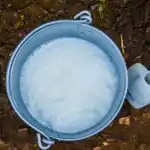
- A transparent container with dirty water (e.g., water mixed with a little soil/sand).
- A clean, empty transparent container.
- A clean white cloth (or sieve/filter paper).
- Small amounts of alum and chlorine (for demonstration and discussion by teacher only).
- Textbooks (for teacher reference).
Rationale for the Lesson
This lesson is important for 5-year-olds because it teaches them practical ways to ensure the water they drink is safe and clean. Understanding water purification helps children develop healthy habits, prevent waterborne diseases, and appreciate the value of clean water for their well-being and that of their families.
Prerequisite/Previous Knowledge
Pupils can identify water and know that water can be clean or dirty. They also know that water is essential for life.
Lesson Content/Board Summary
Meaning of Water Purification, Reasons and Methods
What is Water Purification?
Water purification means making dirty water clean and safe to drink. It is removing things like dirt, germs, and bad smells from water so it does not make us sick.
Why Should We Purify Water?
- To stay healthy and strong.
- To avoid getting sick from germs in dirty water (e.g., cholera, typhoid).
- To make water taste better and look clear.
Methods of Water Purification:
There are different ways to make water clean:
- Boiling: Heating water until it bubbles rapidly. Boiling kills most of the germs in the water.
- Filtering: Passing water through a clean cloth, sand, or special filter to remove dirt and particles.
- Adding Chemicals: Using special chemicals like alum or chlorine to kill germs and make dirt settle. This should only be done by adults.
Key Words
- Purification – making dirty water clean and safe.
- Boiling – heating water until it bubbles to kill germs.
- Filtering – passing water through a material to remove dirt.
- Chemicals – special substances used by adults to clean water.
What the Teacher Should Show or Draw
- Show a chart displaying pictures of boiling water, filtering water through a cloth, and adding chemicals.
- Display a transparent container with dirty water and the materials for a simple filtering demonstration (clean cloth, empty container).
- Write “Clean Water, Healthy Life!” on the board.
Clean Water Song
Tune: “Twinkle, Twinkle Little Star”
Lyrics:
Dirty water, oh no, no,
Make it clean, watch it glow.
Boil it hot, filter too,
Healthy water, good for you!
Dirty water, oh no, no,
Make it clean, watch it glow.
Actions:
- “Dirty water, oh no, no” – Shake head side to side.
- “Make it clean, watch it glow” – Rub hands together, then spread them out like something sparkling.
- “Boil it hot” – Pretend to stir a pot, then fan face.
- “Filter too” – Make a sifting motion with hands.
- “Healthy water, good for you!” – Point to self and give a thumbs-up.
How to use the rhyme: Sing the song together after discussing the methods of purification to reinforce the key ideas in a fun, memorable way. Repeat several times.
Watch and Learn About Water Purification
The teacher will show a short video about how to purify water, focusing on simple methods like boiling and filtering.
Teaching Methods/Instructional Techniques
Play-based Learning, Demonstration, Guided Practice, Songs and Rhymes, Picture Talk, Question and Answer, Oral Repetition, Practical Activity.
Instructional Procedures
Step 1: Introduction
Time: 3 minutes
Teaching Skill: Engagement/Recall
Teacher’s Activity: The teacher greets the pupils and leads them in a short song about water. The teacher then asks pupils what they remember about water and its importance.
Pupils’ Activity: Pupils respond to greetings, sing along, and share their ideas about water.
Learning Point: Pupils recall previous knowledge about water and its uses.
Step 2: Meaning of Water Purification
Time: 5 minutes
Teaching Skill: Explanation/Concept Introduction
Teacher’s Activity: The teacher shows a transparent container of dirty water and asks, “Would you drink this water? Why not?” The teacher then explains in simple terms that “water purification” means making dirty water clean and safe to drink.
Pupils’ Activity: Pupils observe the dirty water, respond to the teacher’s questions, and listen to the explanation of water purification.
Learning Point: Pupils understand the simple meaning of water purification.
Step 3: Reasons for Water Purification
Time: 4 minutes
Teaching Skill: Discussion/Reasoning
Teacher’s Activity: The teacher asks, “Why is it important to drink clean water?” and guides pupils to understand that dirty water can make them sick. The teacher emphasizes that clean water helps us stay healthy and strong.
Pupils’ Activity: Pupils share their ideas and listen as the teacher explains the health reasons for purifying water.
Learning Point: Pupils understand the importance of drinking clean water to avoid sickness.
Step 4: Methods of Purification (Boiling and Filtering)
Time: 6 minutes
Teaching Skill: Demonstration/Visual Aid
Teacher’s Activity: The teacher shows pictures of boiling water. Then, the teacher demonstrates simple filtering by pouring some dirty water through a clean white cloth placed over an empty transparent container, showing how some dirt is removed. The teacher explains that boiling kills germs and filtering removes dirt.
Pupils’ Activity: Pupils observe the pictures and the filtering demonstration, commenting on what they see.
Learning Point: Pupils identify boiling and filtering as methods of water purification.
Step 5: Methods of Purification (Chemicals) and Song
Time: 4 minutes
Teaching Skill: Explanation/Song Integration
Teacher’s Activity: The teacher briefly explains that adults can also use special chemicals like alum or chlorine to make water clean, stressing that children should never handle these. The teacher then leads the pupils in singing the “Clean Water Song.”
Pupils’ Activity: Pupils listen to the explanation about chemicals and actively sing the “Clean Water Song” with actions.
Learning Point: Pupils learn about another purification method and reinforce learning through song.
Step 6: Chart Observation and Video
Time: 4 minutes
Teaching Skill: Visual Learning/Reinforcement
Teacher’s Activity: The teacher displays a chart showing all three methods of water purification (boiling, filtering, adding chemicals) and asks pupils to point to each method. The teacher then plays the short video on water purification.
Pupils’ Activity: Pupils observe the chart, point to the different methods, and watch the video, identifying the methods shown.
Learning Point: Pupils visually reinforce their understanding of water purification methods.
Step 7: Evaluation/Review
Time: 4 minutes
Teaching Skill: Questioning/Assessment
Teacher’s Activity: The teacher checks pupils’ understanding through short questions and practical tasks.
- What does it mean to purify water?
- Why should we drink clean water? (Give one reason)
- Name one way we can make water clean.
- Point to the picture on the chart that shows filtering water.
Pupils’ Activity: Pupils respond orally and demonstrate the required skill where appropriate.
Learning Point: Pupils demonstrate understanding of the lesson.
Step 8: Conclusion
Time: 2 minutes
Teaching Skill: Summarization/Encouragement
Teacher’s Activity: The teacher praises the pupils for their participation and reminds them to always drink clean water to stay healthy. The teacher encourages them to tell their parents about making water clean.
Pupils’ Activity: Pupils listen to the teacher’s summary and express their commitment to drinking clean water.
Learning Point: Pupils are encouraged to practice healthy water habits.
Lesson Keywords
- Purify – to make something clean and safe.
- Boil – to heat water until it bubbles very fast.
- Filter – to pass water through a material to remove dirt.
- Germs – tiny things that can make us sick.
- Clean – free from dirt or impurities.
Differentiation
- Support: For pupils who need extra help, the teacher can use larger pictures, repeat explanations more slowly, and provide hand-over-hand guidance during the filtering demonstration. Focus on identifying just one reason and one method.
- Extension: For quicker learners, the teacher can ask them to name more reasons for purification or to describe what they think happens when water is boiled or filtered. They can also discuss how their families purify water at home.
Note for teachers using this lesson plan
Before the lesson, ensure you have all instructional materials ready, especially the dirty water and filtering materials. The dirty water should be visibly cloudy but safe to handle (e.g., just water with soil, no harmful chemicals). Emphasize that adding chemicals like alum or chlorine is an adult task and children should never try it. The filtering demonstration should be simple and quick, focusing on the concept of removing visible particles. Encourage active participation in the song and discussion. Observe pupils’ ability to point to and name the methods as a key indicator of understanding.

Community Join the conversation Open discussion +