

Class: Primary Two
Term: Third Term
Subject: Basic Science and Technology
Curriculum Theme: Physical & Health Education
Previous Lesson:
Topic: Health and Hygiene
Content/Learning Area: Meaning of hygiene, Methods of purifying water, Importance of hygiene
Time Allocation: 40 minutes
Performance Objectives
By the end of the lesson, pupils should be able to:
- Cognitive Domain:
1. Explain the meaning of hygiene.
2. List at least two methods of purifying water.
3. Describe the importance of hygiene.
- Affective Domain:
1. Appreciate the importance of hygiene in daily life.
2. Develop positive attitudes towards cleanliness.
- Psychomotor Domain:
1.Demonstrate handwashing techniques.
- Social Domain:
1. Share knowledge about hygiene with peers.
Reference Materials
- 9 – Years Basic Education Curriculum
- Abuja Educational Resource Center Scheme of Work
- NAPPS National unified Scheme of Work
- Relevant Textbooks
Instructional Materials
to deliver this lesson, the teacher will use the following materials:
- Whiteboard or chart paper
- Markers or chalk
- Pictures illustrating hygiene practices
- Optional: A simple water filter presentation model
Rationale for the Lesson
Understanding health and hygiene is crucial for pupils’ well-being and prevents the spread of diseases. This lesson lays a foundation for lifelong healthy habits.
Prerequisite/Previous Knowledge
The teacher will begin by asking pupils what they do to stay healthy. A brief discussion will follow, leading into the topic of hygiene.
Lesson Content
Health and Hygiene
Hygiene is crucial for good health. It involves practices that keep us clean and prevent illness.
Methods of Purifying Water
Safe drinking water is essential. The following are ways to purify water:
- Boiling water:
Heat water until it bubbles for several minutes to kill germs.
- Using Chlorine Tablets:
Add a tablet (always under adult supervision) to kill bacteria and viruses.
- Filtering:
Use a filter to remove particles and some germs.
- Solar Disinfection:
Place clear water bottles in sunlight for a day to purify the water.
- Settling and Decanting:
Let muddy water settle, then pour off the cleaner water.
- Using Water Guard:
Add water guard to kill bacteria and viruses.
- Reverse Osmosis:
* Use a semipermeable membrane to filter out impurities.
Teaching Methods
To deliver this lesson, the teacher will adopt the following methods: Discussion, Question and answer, Demonstration
Instructional procedures
To deliver this lesson, the teacher will adopt the following steps:
Step 1: Introduction
Time: 5 minutes
Teaching Skill: Set Induction
Teacher’s Activity: Asks pupils about their daily routines and what they do to stay healthy.
pupils’ Activity: Respond to the teacher’s questions, sharing their experiences.
Step 2: Description of Key Concepts
Time: 10 minutes
Teaching Skill: Explaining
Teacher’s Activity: Explains the meaning of hygiene and its importance.
Pupils’ Activity: Listen attentively and ask clarifying questions.
Step 3: Demonstration/Guided practice
Time: 10 minutes
Teaching Skill: Demonstrating
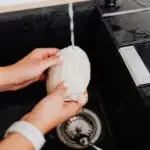
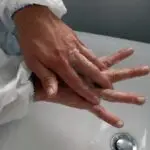
Teacher’s Activity: Demonstrates proper handwashing techniques. (Optional: Demonstrates a simple water purification method).
Pupils’ Activity: Observe the demonstration and practice handwashing.
Step 4: Autonomous Practice
Time: 5 minutes
Teaching Skill: Monitoring
teacher’s Activity: Supervises pupils as they practice hygiene habits.
Pupils’ Activity: Practice handwashing and other hygiene practices.
Step 5: Note-Taking
Time: 5 minutes
Teaching skill: Note-taking
Teacher’s Activity: Guides pupils in taking notes on key concepts.
Pupils’ Activity: Write down significant points from the lesson.
Step 6: Evaluation/Review
Time: 5 minutes
Teaching Skill: Questioning
Teacher’s Activity: Asks review questions to assess understanding.
Pupils’ activity: Answer the review questions.
Objective-aligned checks:
- Explain the meaning of hygiene.
- List at least two methods of purifying water.
- Describe the importance of hygiene.
step 7: Conclusion
Time: 5 minutes
Teaching Skill: Summarizing
Teacher’s Activity: Summarizes the key points about hygiene and water purification,emphasizing the importance of thes practices for a healthy life.
Pupils’ Activity: Listen attentively and ask questions for clarification.
lesson Keywords
- Hygiene – Practices that keep us clean and prevent illness.
- Purification – the process of making water safe to drink by removing impurities.
- Chlorine – A chemical used to disinfect water.
- Filtration – The process of removing particles from water using a filter.
- Disinfection – the process of killing harmful microorganisms in water.
Lesson Evaluation
To evaluate the learning, the teacher asks pupils to:
- What is hygiene?
- Name two ways to purify water.
- Why is good hygiene significant?
- Explain how boiling water purifies it.
- List other ways to purify water besides boiling.
Assignment/homework
- Draw pictures illustrating good hygiene habits.
- List five ways you can maintain good hygiene at home and in school.
- Explain why it is important to wash your hands before eating.
Differentiation
- For slower learners: Provide one-on-one assistance and use simpler language.
- For advanced learners: Assign additional research on different hygiene practices.
- For visual/auditory/kinesthetic learners: use visual aids, demonstrations, and hands-on activities to reinforce learning.
Note for teachers
Ensure to use real-life examples and demonstrations to make the lesson engaging and practical for the pupils. Encourage active participation and create a supportive learning environment.
Community Join the conversation Open discussion +