

Class: Primary four
Term: Second Term
Subject: Basic Science and Technology
Curriculum Theme: Physical & Health Education
Previous Lesson: Meaning, Importance And Materials Used In Taking Care Of The Body in Personal Hygiene
Topic: Care of the eye
Content/Learning Area: What is Eye Care?, Proper Eye Care techniques, Benefits of Caring for the Eye
Time Allocation: 40 minutes
Performance Objectives
By the end of the lesson, pupils should be able to:
- Cognitive Domain:
1. Identify proper practices for eye care.
2. Explain the importance of eye care.
3. List the benefits of good eye hygiene.
- Psychomotor Domain:
1. Demonstrate proper handwashing before touching eyes.2. Show how to avoid rubbing eyes with dirty hands.
- Affective Domain:
1. Develop an gratitude for the importance of eye care.
2. Show concern for eye health.
- Social Domain:
1. Discuss the social impact of good eye hygiene and care.
2. Share knowledge about eye care with others.
Reference Materials
- 9 – Years Basic Education Curriculum
- Abuja educational Resource Center Scheme of Work
- NAPPS National Unified Scheme of Work
- Online Details
- Relevant Textbooks
Instructional Materials
to deliver this lesson, the teacher will use the following materials:
- Whiteboard or chart
- Markers or chalk
- Pictures illustrating eye care practices
Rationale for the Lesson
This lesson is crucial for pupils’ overall well-being. understanding and practicing good eye care habits will help prevent future eye problems and promote healthy vision throughout their lives.
Prerequisite/Previous Knowledge
The teacher will start by asking pupils what they already know about their eyes and the importance of looking after them. A brief discussion will follow, leading into the lesson’s main topic.
Lesson Content
What is Eye Care?
Eye care involves practices and habits that help maintain good vision and overall eye health. It includes protecting your eyes from harm, keeping them clean, and seeking professional help when needed.
Proper Eye Care Techniques
Proper eye care techniques are essential for maintaining healthy vision and preventing eye problems.
The following are some proper eye care techniques:
- Always wash your hands before touching your eyes to prevent infections.
- Avoid rubbing your eyes with dirty hands to prevent the spread of germs and irritation.Rubbing your eyes with dirty hands can spread germs and irritate your eyes.
- Wear protective eyewear during activities that could harm your eyes, such as sports or working with chemicals.
- Limit screen time and take regular breaks to reduce eye strain. Excessive screen time can strain your eyes and lead to fatigue.
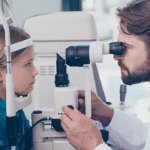
- Visit an eye doctor regularly for check-ups to detect and treat problems early.
- Ensure adequate lighting when reading or working to reduce eye strain.
- Use lubricating eye drops if your eyes feel dry or irritated.
- Eat a balanced diet rich in vitamins and nutrients that support eye health.
Benefits of Caring for the Eye
Caring for your eyes has numerous benefits that contribute to overall health and well-being.
These include:
- Prevents infections and diseases like conjunctivitis and blepharitis.
- Reduces the risk of vision loss from conditions like cataracts, glaucoma, and macular degeneration. By taking care of your eyes, you can reduce the risk of developing conditions that can lead to vision loss.
- Enhances overall eye health and prevents damage or disease.
- Improves visual clarity and makes seeing easier.
- Contributes to a better quality of life, as good vision is essential for many daily activities.
- Reduces eye strain and fatigue, especially from prolonged screen use.
- Promotes comfort and reduces irritation, dryness, and redness.
- Supports better performance in school, work, and sports.
teaching Methods
To deliver this lesson, the teacher will adopt the following methods: Discussion, question and answer, Visual aids.
instructional Procedures
To deliver this lesson, the teacher will adopt the following steps:
Step 1: Introduction
Time: 5 minutes
Teaching Skill: Set Induction
Teacher’s Activity: Asks pupils what they know about eye care.
Pupils’ Activity: Share their prior knowledge and experiences.
Step 2: Description of Key Concepts
Time: 10 minutes
Teaching Skill: Explaining
teacher’s Activity: Explains the meaning of eye care and its importance.
Pupils’ Activity: Listen attentively and ask clarifying questions.
Step 3: Presentation/Guided Practice
Time: 10 minutes
Teaching Skill: Demonstrating
Teacher’s Activity: Demonstrates proper handwashing and other eye care techniques using visual aids.
Pupils’ Activity: Observe and participate in the demonstration.
Step 4: independent Practice
Time: 5 minutes
Teaching Skill: Monitoring
Teacher’s Activity: Guides pupils as they practice eye care techniques.
Pupils’ Activity: Practice the techniques individually or in pairs.
Step 5: Note-Taking
Time: 5 minutes
Teaching Skill: Note-taking
Teacher’s Activity: Guides pupils in taking notes on key concepts.
Pupils’ Activity: Wriet down vital points from the lesson.
Step 6: Evaluation/Review
Time: 5 minutes
Teaching Skill: Questioning
Teacher’s activity: Asks review questions to assess understanding.
Pupils’ Activity: Answer the questions.
Objective-aligned checks:
- Identify proper practices for eye care.
- Explain the importance of eye care.
- List the benefits of good eye hygiene.
Step 7: Conclusion
Time: 2 minutes
Teaching skill: Summarizing
Teacher’s Activity: Summarizes the key points of eye care and encourages pupils to practice these techniques daily.Pupils’ Activity: Listen and commit to practicing good eye care habits.
lesson Keywords
- Eye Care – Practices and habits to maintain good vision and eye health.
- Conjunctivitis – An infection that causes inflammation of the conjunctiva (the outer membrane of the eyeball and inner eyelid).
- Protective Eyewear – Glasses or goggles worn to protect the eyes from injury or harmful substances.
- Eye strain – Fatigue or discomfort in the eyes caused by prolonged use or focus.
- Visual Clarity – The ability to see things sharply and clearly.
Lesson Evaluation
To evaluate the learning, the teacher asks pupils to:
- Why is it important to wash your hands before touching your eyes?
- What should you avoid doing to maintain good eye health?
- What is one benefit of regular eye check-ups?
- Give examples of protective eyewear.
- Why is limiting screen time important for eye health?
Assignment/Homework
- list five ways you can protect your eyes every day.
- Write a short paragraph explaining why eye care is important for students.
- Ask a family member about their eye care routine and share it with the class next lesson.
Differentiation
- For slower learners: Provide one-on-one assistance and use simpler language.
- For advanced learners: Encourage them to research additional information on eye care and share their findings with the class.
- For visual/auditory/kinesthetic learners: Use visual aids, verbal explanations, and hands-on demonstrations to cater to different learning styles.
note for Teachers
Ensure to use real-life examples and visual aids to make the lesson engaging and relatable for the pupils. Emphasize the importance of forming good eye care habits early in life.

Community Join the conversation Open discussion +