

Class: Primary Four
Term: Third Term
Subject: basic Science and Technology
Curriculum Theme: Physical & Health Education
Previous Lesson: Safety Education of Road Safety Guidelines For Pedestrians
Topic: General Crashes On Road, Preventive Measures and duties of Safety agencies
Content/Learning Area:
Time Allocation: 40 minutes
Performance Objectives
By the end of the lesson, pupils should be able too:
- Cognitive Domain:
1. Identify and describe different types of road crashes and their causes.
- Affective Domain:
1.Demonstrate a positive attitude toward road safety and precautionary measures.
- Psychomotor Domain:
1.Practice road safety measures during class activities.
- Social Domain:
1. Discuss the importance of safety agencies in preventing road accidents.
Reference Materials
- 9 Years Basic Education Curriculum
- Abuja Educational Resource Center Scheme of work
- NAPPS National Unified Scheme of Work
- online Details from: Sheriff Deputies – 9 Major Security Agencies in nigeria
- Relevant Textbooks
Instructional Materials
To deliver this lesson, the teacher will employ the help of the following materials:
- Road safety posters
- Flashcards of traffic signs
- A toy car to demonstrate road safety practices
- Short videos on road safety and accidents
Rationale for the Lesson
This lesson is crucial for equipping pupils with essential road safety knowledge and skills, fostering responsible behavior and perhaps saving lives. Understanding road safety is vital for their well-being and the safety of others.
Prerequisite/Previous knowledge
The teacher will begin by asking pupils about their experiences with roads and traffic, prompting them to share any observations about road safety or accidents they’ve witnessed.This will create a familiar context for the lesson.
Lesson Content
General Crashes on the road
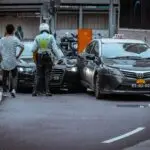
Road crashes are accidents happening on roads due to reasons like driver error, vehicle problems, or poor road conditions. These crashes can involve cars, people walking, and bicycles, and can cause injuries or death.
Causes of Road Crashes
Road crashes occur due to a combination of factors that can compromise safety. The following are some of the common causes of road crashes:
- Driver Distraction: Drivers not paying attention to the road (phones, loud music).
- Over-speeding: Driving too fast, making it hard to stop quickly.
- poor Road Conditions: Bad roads with potholes or unclear markings.
- Weather Conditions: Rain, fog, or snow making roads slippery and visibility poor.
- Drunk Driving: Operating a vehicle under the influence of alcohol or drugs.
- Fatigue: Driving while tired, which impairs reaction time and judgment.
Preventive measures
Preventive measures are actions taken to reduce the likelihood of road crashes. These include:
- Obey Traffic Signs: Follow traffic lights and road signs (stop at red lights, follow speed limits).
- Wear Seatbelts: Always wear seatbelts in a car to stay safe in an accident.
- drive at safe Speeds: follow the speed limit and drive slower in bad weather.
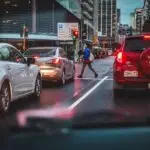
- Pedestrian Safety: Use pedestrian crossings and wait for green lights before crossing.
- Regular Vehicle Maintenance: Ensuring vehicles are in good working condition through regular checks.
- Defensive Driving: Anticipating potential hazards and taking proactive measures to avoid accidents.
Duties of Safety Agencies
Safety agencies help prevent road accidents. Some significant agencies include:
- Federal Road Safety Corps (FRSC): Enforces road safety laws, helps in rescues, and teaches people about road safety.
- Police: Control traffic and make sure everyone follows road safety rules.
- Traffic Wardens: manage traffic, especially in busy places, and ensure safety rules are followed.
- National Emergency Management Agency (NEMA): Provides assistance and support during emergencies, including road accidents.
- Vehicle inspection Officers (VIO): Inspect vehicles to ensure they meet safety standards and are roadworthy.
- State Traffic Management Agencies (e.g., LASTMA in Lagos): Manage traffic flow and enforce traffic regulations within specific states.
Teaching Methods
To deliver this lesson, the teacher will adopt the following methods: Discussion, Lecture, Explanation, Visual Aids, Group Work, Role Play
Instructional Procedures
To deliver this lesson, the teacher will adopt the following steps:
Step 1: Introduction (Set Induction)
Time: 5 min
Teaching Skill: Set Induction
Teacher’s Activity: Teacher introduces the topic by asking students what they know about road crashes and safety measures.
Pupils’ Activity: Pupils share their thoughts and ideas.
Step 2: explanation of Key Concepts
time: 10 min
Teaching Skill: Explanation
Teacher’s Activity: teacher explains the causes of road crashes using real-life examples and visuals.
Pupils’ Activity: Pupils listen and ask questions.
Step 3: Presentation/Guided Practice
Time: 10 min
Teaching Skill: Discussion
Teacher’s Activity: Teacher explains preventive measures and shows posters on road safety.
Pupils’ Activity: Pupils discuss and share ideas on road safety measures.
Step 4: Independent Practice
Time: 8 min
Teaching Skill: Explanation
Teacher’s Activity: Teacher explains the roles of safety agencies, such as FRSC, and shows images of their work.
Pupils’ Activity: Pupils ask questions and take notes.
Step 5: Note-Taking
Time: 5 min
Teaching Skill: Instructional
Teacher’s Activity: Teacher gives time for students to copy notes on road safety.
Pupils’ Activity: Pupils copy notes in their books.
Step 6: Evaluation/Review
Time: 2 min
Teaching Skill: Evaluation
Teacher’s Activity: Teacher asks pupils to answer questions and do a brief review.
Pupils’ Activity: Pupils respond to questions and share ideas.
Objective-aligned checks:
- Identify and describe different types of road crashes and their causes.
- Demonstrate a positive attitude toward road safety and precautionary measures.
Step 7: Conclusion
Time: 2 min
Teaching Skill: Cognitive
Teacher’s Activity: Teacher summarizes the lesson and reinforces key points.
Pupils’ activity: pupils reflect on the lesson.
Lesson Keywords
- Road Crash – An accident involving vehicles on a road.
- Preventive Measures – actions taken to avoid accidents.
- Safety Agencies – Organizations responsible for ensuring road safety.
- FRSC – Federal Road Safety Corps, a Nigerian agency for road safety.
- Traffic Signs – Visual devices used to regulate and control traffic flow.
- Seatbelt – A safety device used to secure a vehicle occupant against harmful movement during a collision.
Lesson Evaluation
To evaluate the learning, the teacher asks pupils to:
- Name two causes of road accidents.
- what are three measures to prevent road accidents?
- List two duties of road safety agencies.
- Why is it critically importent to wear a seatbelt while driving?
Assignment/Homework
- Research and write about another road safety agency in Nigeria and its duties.
- Draw and label three common traffic signs and explain what they mean.
- Interview a family member about their experiences with road safety and write a short report.
Differentiation
- For slower learners: provide simplified explanations and visual aids, and allow extra time for note-taking.
- For advanced learners: encourage them to research additional road safety measures and agencies, and present their findings to the class.
- For visual/auditory/kinesthetic learners: Use videos and posters for visual learners, discussions for auditory learners, and role-playing activities for kinesthetic learners.
Note for Teachers
Ensure to use real-life examples and relatable scenarios to make the lesson engaging and relevant for the pupils. Emphasize the importance of road safety for their personal well-being and the safety of others.


Community Join the conversation Open discussion +