

Class: Primary Four
Term: Second Term
subject: Basic Science and Technology
Curriculum Theme: Physical & Health Education
Previous Lesson: Care Of The Eye in Personal Hygiene II
Topic: Care of the Teeth
Content/Learning Area: How to Care for the Teeth, Importance of Caring for the Teeth
Time Allocation: 40 minutes
Performance Objectives
by the end of the lesson, pupils should be able to:
- Cognitive Domain:
1. Identify the steps involved in caring for the teeth.
2. Explain the importance of regular dental check-ups.3.List foods that contribute to tooth decay.
- Affective Domain:
1. Show thankfulness for good dental hygiene practices.
2. Express the importance of oral hygiene for overall health.
- Psychomotor Domain:
1. Demonstrate proper tooth brushing techniques.
- Social domain:
1. Discuss the social impact of maintaining good dental hygiene.
Reference Materials
- 9 – Years basic Education curriculum
- Abuja Educational Resource Center Scheme of Work
- NAPPS National Unified Scheme of Work
- Relevant Textbooks
Instructional Materials
To deliver this lesson, the teacher will use the following materials:
- Whiteboard or chart
- Markers or chalk
- Pictures or illustrations of teeth and dental hygiene practices
Rationale for the Lesson
This lesson is crucial for establishing good oral hygiene habits from a young age. Good dental hygiene prevents future dental problems and contributes to overall health and well-being.
Prerequisite/Previous Knowledge
pupils are familiar with daily routines and personal hygiene practices.
Lesson Content
How to Care for the Teeth
Caring for your teeth involves several practices that help maintain oral health and prevent dental problems. These practices should be followed consistently to ensure healthy teeth and gums. The following are ways to care for the teeth:
- Brush your teeth twice a day with fluoride toothpaste, covering all surfaces.
- Floss daily to remove plaque and food particles.
- Rinse with mouthwash to kill bacteria.
- eat a balanced diet, limiting sugary foods.
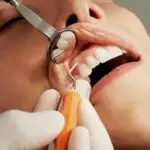
- Visit the dentist regularly for check-ups and cleanings.
- Use a soft-bristled toothbrush to avoid damaging the gums.
- Replace your toothbrush every three months or sooner if the bristles are frayed.
Importance of Caring for the Teeth
Caring for the teeth is essential for maintaining overall health and well-being. Good oral hygiene prevents dental problems and contributes to a better quality of life. The following are reasons why caring for the teeth is important:
- Prevents tooth decay and gum disease.
- Avoids bad breath, improving social interactions. Learn more about social interactions here.
- Reduces the risk of heart disease.
- Maintains strong teeth for eating and speaking.
- boosts overall health and self-esteem.
- Prevents painful dental conditions that can affect daily activities.
- Reduces the need for costly dental treatments in the future.
Teaching Methods
to deliver this lesson, the teacher will adopt the following methods: Discussion, presentation, Question and Answer.
Instructional Procedures
to deliver this lesson, the teacher will adopt the following steps:
Step 1: Introduction
Time: 5 minutes
Teaching Skill: Set Induction
Teacher’s activity: Asks pupils about their daily routines, focusing on personal hygiene.
Pupils’ Activity: respond to the teacher’s questions and participate in the discussion.
Step 2: Description of key Concepts
Time: 10 minutes
Teaching Skill: Explaining
Teacher’s Activity: Explains the concept of dental hygiene and its importance.
Pupils’ Activity: Listen attentively and ask clarifying questions.
Step 3: Demonstration/Guided Practice
Time: 10 minutes
Teaching Skill: Demonstrating
Teacher’s Activity: Demonstrates proper tooth brushing techniques using a model or visual aids.
Pupils’ Activity: Observe the demonstration and practice brushing techniques under guidance.
Step 4: Self-Reliant Practice
Time: 5 minutes
Teaching Skill: Monitoring
teacher’s activity: Supervises pupils as they practice brushing their teeth (if possible).
Pupils’ Activity: Practice brushing their teeth independently.
Step 5: Note-Taking
Time: 5 minutes
Teaching Skill: Note-taking
Teacher’s Activity: Guides pupils in taking notes on key points of the lesson.
Pupils’ Activity: Take notes on the key points of the lesson.
Step 6: Evaluation/Review
Time: 5 minutes
Teaching Skill: Questioning
Teacher’s Activity: Asks review questions to assess understanding.
Pupils’ Activity: Answer the review questions.
Objective-aligned checks:
- Identify the steps involved in caring for the teeth.
- Explain the importance of regular dental check-ups.
- List foods that contribute to tooth decay.
Step 7: Conclusion
Time: 0 minutes
Teaching Skill: Summarizing
Teacher’s Activity: Summarizes the key points about dental hygiene and encourages pupils to practice good oral hygiene habits daily.
Pupils’ Activity: Listen to the summary and commit to practicing good oral hygiene.
Lesson Keywords
- Fluoride – A mineral that helps strengthen tooth enamel and prevent tooth decay.
- Plaque – A sticky film of bacteria that forms on teeth and contributes to tooth decay and gum disease.
- Gingivitis – An inflammation of the gums caused by plaque buildup.
- Oral Hygiene – Practices that keep the mouth and teeth clean and healthy.
- Tooth Decay – Damage to the tooth enamel caused by acids produced by bacteria in plaque.
Lesson Evaluation
To evaluate the learning, the teacher asks pupils to:
- List three ways to care for your teeth.
- Why are regular dentist visits critically important?
- How does good dental hygiene help in social situations?
- Name some foods that can cause tooth decay.
- Why is flossing important?
Observation: Teacher will observe pupils’ participation in discussions,their ability to demonstrate proper brushing techniques,and their responses to evaluation questions.
Assignment/Homework
- Brush your teeth properly tonight and tomorrow morning.
- Ask your parents to schedule a dental check-up for you.
- List three benefits of having healthy teeth.
differentiation
- For slower learners: Provide one-on-one assistance and use simpler language.
- For advanced learners: Encourage further research on dental hygiene.
- For visual/auditory/kinesthetic learners: Use visual aids, demonstrations, and hands-on activities to reinforce learning.
Note for Teachers
Ensure to emphasize the importance of consistent oral hygiene practices and regular dental check-ups. Use real-life examples and relatable scenarios to make the lesson engaging and memorable for the pupils.

Community Join the conversation Open discussion +