

Class: Primary Three
Term: Third Term
Subject: Basic Science and Technology
Curriculum Theme: Physical & Health Education
Previous Lesson: Health and Personal Hygiene
Topic: Care of the Body
Content/Learning Area: What is Care of the Body?, Ways to Care for Our Bodies, Materials Needed for Caring for the Body
Time Allocation: 40 minutes
Performance Objectives
By the end of the lesson, pupils should be able to:
- Cognitive Domain:
1. Describe various ways to care for the body.
2. Identify materials needed for each step in caring for the body.
- Psychomotor Domain:
1. Demonstrate proper handwashing techniques.
2. Show correct brushing techniques.
- Affective Domain:
1. Show thankfulness for the importance of personal hygiene and body care.
- Social Domain:
1. Share knowledge about body care with peers.
Reference Materials
- 9 – Years Basic Education Curriculum
- Abuja Educational Resource Center Scheme of Work
- NAPPS National Unified Scheme of Work
- Relevant Textbooks
Instructional Materials
To deliver this lesson, the teacher will use the following materials:
- whiteboard or chart
- Markers or pens
- Pictures or illustrations of body care practices
- Real-life examples of materials needed for body care
Rationale for the Lesson
This lesson is crucial for establishing healthy habits from a young age.Understanding body care promotes good hygiene,prevents illness,and builds self-esteem.
Prerequisite/Previous Knowledge
The teacher will start by asking pupils what they do every morning to get ready for school. This will lead into a discussion about the importance of keeping clean and healthy.
Lesson content
What is Care of the Body?
Body care involves practices to maintain physical health and cleanliness. It helps us stay healthy, prevent illness, and feel good.
Ways to Care for Our Bodies
There are several ways to care for our bodies to maintain cleanliness and health.These include:
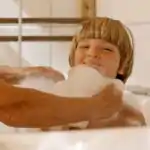
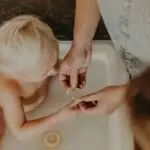
- Bathing: Daily washing with soap and water removes dirt and germs.
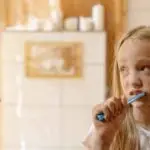
- Brushing Teeth: brushing at least twice daily keeps teeth clean and prevents cavities.
- Washing Hands: Washing hands before eating and after using the restroom prevents germ spread.
- Wearing Clean Clothes: Wearing clean clothes daily keeps us fresh and prevents skin infections.
- Healthy Eating: Eating healthy foods provides essential nutrients.
- Regular Exercise: Physical activity keeps our bodies strong and fit.
- Adequate Sleep: Getting enough sleep helps our bodies repair and rejuvenate.
Materials needed for Caring for the Body
Various materials are essential for maintaining personal hygiene and body care. These include:
- Soap: Cleanses the body and removes germs.
- Toothbrush and Toothpaste: Clean teeth and prevent cavities.
- Clean Water: Essential for washing.
- Towel: Dries the body after washing.
- Clean Clothes: Keeps us fresh and cozy.
- Hand Sanitizer: Used to clean hands when soap and water are not available.
- Nail Clippers: Used to trim nails and maintain hygiene.
Teaching Methods
To deliver this lesson, the teacher will adopt the following methods: Discussion, Presentation, Question and Answer.
Instructional Procedures
To deliver this lesson, the teacher will adopt the following steps:
Step 1: Introduction
Time: 5 minutes
Teaching Skill: Set Induction
Teacher’s Activity: Asks pupils about their morning routines and introduces the topic of body care.
Pupils’ Activity: Respond to teacher’s questions and participate in the discussion.
Step 2: Explanation of Key Concepts
Time: 10 minutes
Teaching Skill: Explaining
Teacher’s Activity: Explains the meaning of body care and its importance.
Pupils’ Activity: Listen attentively and ask clarifying questions.
Step 3: demonstration/Guided Practice
Time: 10 minutes
Teaching Skill: Demonstrating
Teacher’s Activity: Demonstrates proper handwashing and teeth brushing techniques.
Pupils’ Activity: Observe the demonstration and practice the techniques under teacher’s guidance.
Step 4: Autonomous Practice
Time: 5 minutes
Teaching Skill: Monitoring
Teacher’s Activity: Supervises pupils as they practice handwashing and teeth brushing.Pupils’ Activity: Practice independently,applying what they have learned.
Step 5: Note-Taking
Time: 5 minutes
Teaching Skill: Note-taking
Teacher’s Activity: Guides pupils in taking notes on key concepts and steps.
pupils’ Activity: Write down crucial points in their notebooks.
Step 6: Evaluation/Review
Time: 5 minutes
Teaching Skill: Questioning
Teacher’s Activity: Asks review questions to assess understanding.
Pupils’ Activity: Answer questions and participate in the review.
Objective-aligned checks:
- Describe various ways to care for the body.
- Identify materials needed for each step in caring for the body.
- Demonstrate proper handwashing techniques.
Step 7: Conclusion
Time: 2 minutes
Teaching Skill: Summarizing
Teacher’s Activity: Summarizes the key points and encourages pupils to practice good body care habits daily. The teacher will also answer any remaining questions.
Pupils’ Activity: Listen to the summary and ask any remaining questions.
Lesson Keywords
- Hygiene – Practices that maintain health and prevent the spread of disease.
- Cleanliness – The state of being free from dirt, stains, or impurities.
- Germs – Microorganisms that can cause disease.
- Nutrients – Substances that provide nourishment essential for growth and the maintenance of life.
- Cavities – Holes in the teeth caused by decay.
Lesson Evaluation
To evaluate the learning,the teacher asks pupils to:
- Name three ways to care for your body.
- What two things do you need to brush your teeth?
- Why is it crucial to wash your hands before eating?
- What are the benefits of wearing clean clothes?
- Give examples of healthy foods.
Assignment/homework
- List five materials you use daily to care for your body.
- Write a short paragraph explaining why personal hygiene is importent.
- Demonstrate proper handwashing techniques to your family members.
differentiation
- For slower learners: Provide one-on-one assistance and use simpler language.
- for advanced learners: Encourage them to research additional ways to care for the body.
- For visual/auditory/kinesthetic learners: Use visual aids, verbal explanations, and hands-on activities to cater to different learning styles.
Note for Teachers
Ensure to emphasize the importance of consistency in practicing good body care habits. Encourage pupils to share their personal experiences and challenges in maintaining hygiene, and provide supportive guidance.
Community Join the conversation Open discussion +