

Class: Primary Five
Term: First Term
Subject: Pre-vocational Studies
Curriculum Theme: Agricultural Science
Previous Lesson:
Topic: Classification of Crops
Content/Learning Area: What are crops?, Classification of Crops, legumes, Cereals, Tubers, Fruits, Vegetables, Nuts and Seeds, Oil Crops, Fibrous Crops
Time Allocation: 40 minutes
Performance Objectives
By the end of the lesson, pupils should be able to:
- Cognitive Domain:
1. identify different types of crops like legumes, cereals, and tubers.
2. Classify crops into these three categories.
3. Explain the importance of growing different types of crops.
- Affective Domain:
1.Show interest in learning about different types of crops.
2. Appreciate the importance of crop diversity.
- psychomotor Domain:
1. Draw and label examples of each type of crop.
- Social Domain:
1. Participate actively in group discussions.
Reference Materials
- 9 – Years basic Education Curriculum
- Abuja educational Resource Center Scheme of Work
- NAPPS National Unified Scheme of work
- Relevant Textbooks
Instructional Materials
To deliver this lesson, the teacher will use the following materials:
- Whiteboard or chart paper
- Markers or crayons
- pictures or real examples of different crops
- Relevant textbooks
Rationale for the Lesson
Understanding crop classification is essential to appreciating food sources and the importance of agricultural diversity for a healthy diet and lasting living. This lesson lays the groundwork for future learning in agriculture and nutrition.
Prerequisite/Previous Knowledge
The teacher will start by asking pupils what they ate for breakfast. This will lead into a discussion about where our food comes from, introducing the concept of crops.
Lesson Content
What are crops?
Crops are plants that we grow for food and other uses.
Classification of Crops
We can group crops based on how they grow and what parts of the plant we use.
Legumes
Legumes produce pods with seeds inside. Examples of legumes are:
- Beans
- Peas
- Groundnuts
- Soybeans
- Lentils
They are rich in protein.
Cereals
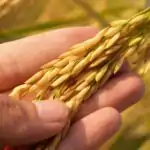
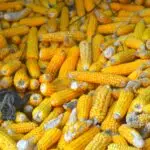
Cereals are grasses that produce grains. Examples of cereals are:
- Maize
- Rice
- Wheat
- Oats
- Barley
We use these grains to make flour, bread, and other foods. Cereals give us energy.
tubers
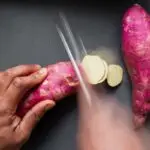
Tubers store food in their roots. Examples of tubers are:
- Yam
- Cassava
- Potatoes
- Sweet potatoes
- Cocoyam
they are rich in carbohydrates, which give us energy.
Fruits
Fruits are the sweet, fleshy parts of plants that contain seeds. Examples of fruits are:
- Apples
- Oranges
- Bananas
- Mangoes
- Watermelons
They are full of vitamins.
Vegetables
Vegetables are parts of plants we eat, such as leaves, stems, or roots.Examples of vegetables are:
- Spinach
- Carrots
- Broccoli
- Tomatoes
- Lettuce
They provide vitamins and minerals.
Nuts and Seeds
Nuts and seeds are small but full of nutrients. Examples of nuts and seeds are:
- Almonds
- Sunflower seeds
- Walnuts
- Cashews
- Pumpkin seeds
They are rich in healthy fats and protein.
Oil Crops
Oil crops are grown for their oil, used in cooking and other products. Examples of oil crops are:
- Soybeans
- Sunflower seeds
- Olives
- Groundnuts
- Palm fruits
Fibrous Crops
Fibrous crops are grown for their fibers, used in making clothes and ropes. Examples of fibrous crops are:
- Cotton
- jute
- Hemp
- Flax
- Sisal
teaching Methods
To deliver this lesson, the teacher will adopt the following methods: Discussion, Question and answer, Group work, Visual aids
Instructional Procedures
To deliver this lesson, the teacher will adopt the following steps:
Step 1: Introduction
Time: 5 minutes
Teaching Skill: Questioning
Teacher’s Activity: Ask pupils what they ate for breakfast and lead a discussion about where food comes from.
Pupils’ Activity: Respond to teacher’s questions and participate in the discussion.
Step 2: Explanation of Key Concepts
Time: 10 minutes
Teaching Skill: Explanation
Teacher’s Activity: Define “crops” and introduce the main categories: legumes, cereals, and tubers.Pupils’ Activity: Listen attentively and ask clarifying questions.
step 3: Presentation/Guided Practice
Time: 10 minutes
Teaching Skill: Demonstration
Teacher’s Activity: Show pictures or real examples of different crops, classifying them into their respective categories.
Pupils’ Activity: Observe and participate in classifying the crops.
Step 4: Self-reliant Practice
Time: 5 minutes
Teaching Skill: Guided Practice
Teacher’s Activity: Guide pupils in drawing and labeling examples of each crop type.
Pupils’ Activity: Draw and label examples of crops.
Step 5: Note-Taking
time: 5 minutes
Teaching Skill: Note-Taking
Teacher’s Activity: Guide pupils in taking notes on the key concepts and examples.
Pupils’ Activity: Take notes on the lesson.
Step 6: evaluation/Review
Time: 5 minutes
Teaching Skill: Questioning
Teacher’s Activity: Ask review questions to assess understanding.
Pupils’ Activity: Answer review questions.
Objective-aligned checks:
- identify different types of crops like legumes, cereals, and tubers.
- Classify crops into these three categories.
- Explain the importance of growing different types of crops.
Step 7: Conclusion
Time: 5 minutes
Teaching Skill: summarizing
Teacher’s Activity: Summarize the key concepts and assign homework.
Pupils’ Activity: Listen to the summary and note the homework.
Lesson Keywords
- Crops – Plants grown for food and other uses
- Legumes – plants that produce pods with seeds inside
- Cereals – Grasses that produce grains
- Tubers – Plants that store food in their roots
- Fruits – Sweet, fleshy parts of plants containing seeds
- Vegetables – Parts of plants we eat, such as leaves, stems, or roots
- Nuts and Seeds – Small, nutrient-rich plant parts
- Oil Crops – Crops grown for their oil
- Fibrous crops – Crops grown for their fibers
Lesson Evaluation
To evaluate the learning, the teacher asks pupils to:
- Name two examples of legumes.
- What is the difference between cereals and tubers?
- Draw and label one example of a cereal crop.
- Why is it vital to grow different types of crops?
- What are some other ways we use crops besides food?
- Can you name any crops grown in your community?
Assignment/Homework
- Find and draw pictures of different crops found in your local habitat.
- List three benefits of growing a variety of crops.
- Research and write a short paragraph about a crop that is critically important to Nigeria’s economy.
Differentiation
- For slower learners: Provide one-on-one assistance and use simpler language.
- For advanced learners: Encourage them to research and present details on additional crop types.
- For visual/auditory/kinesthetic learners: Use visual aids, discussions, and hands-on activities to cater to different learning styles.
note for Teachers
Ensure to bring real samples or pictures of the crops mentioned to aid understanding. Encourage pupils to share their personal experiences with these crops to make the lesson more engaging.
Community Join the conversation Open discussion +