

class: Primary 5
Term: 2nd Term
Subject: Pre-Vocational Studies
Curriculum Theme: Agricultural Science
Previous Lesson: Damages Caused By Pests
Topic: Methods of Pests Control
Content/Learning Area: Spraying chemicals to kill pests, Properly storing farm products, Cleaning surrounding bushes, Shooting and setting traps, scarecrows, etc.
Time Allocation: 40 minutes
Performance Objectives
by the end of the lesson, pupils should be able to:
- Cognitive Domain: Identify at least three methods of pest control.
- Affective Domain: appreciate the importance of maintaining a pest-free surroundings.
- Psychomotor Domain: Demonstrate one method of pest control, such as using traps.
- Social Domain: collaborate with peers to discuss effective pest control practices.
Reference Materials
The following resources were used in planning this lesson:
- 9 – Years Basic Education Curriculum
- abuja Educational Resource Center Scheme of Work
- NAPPS National Unified Scheme of Work
- Online Information from: Wikipedia – Pest control
- Relevant Textbooks
Instructional Materials
To deliver this lesson, the teacher will use the following materials:
- Charts showing methods of pest control
- A spraying can (empty for demonstration)
- Model of a scarecrow
- Samples of traps
Rationale for the Lesson
Understanding methods of pest control is essential for protecting crops and stored farm products from damage.This helps ensure food security and economic stability.
Prerequisite/Previous Knowledge
Pupils have learned about the damages caused by pests and are aware that pests harm crops and stored products.
Lesson Content
Methods of Pests Control
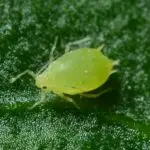
Pests harm crops and stored farm products.Controlling pests ensures a healthy environment and increases farm productivity. The following are some methods of pest control:
- Spraying Chemicals: Use pesticides to kill pests.
- Proper Storage: Store farm products in airtight containers.
- Cleaning Bushes: Remove weeds and bushes around the farm.
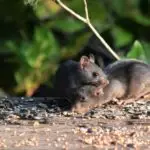
- Setting Traps: Use traps to catch pests like rodents.
- Shooting: Eliminate pests, especially large ones, through shooting.
- Scarecrows: Place scarecrows in farms to keep birds away.
- Biological Control: Introduce natural predators to control pest populations.
- Crop Rotation: Rotate crops to disrupt pest life cycles and reduce infestations.
- Using Resistant Varieties: Plant crop varieties that are resistant to common pests in the area.
Methods of Pest Control
Pest control reduces damage by insects, rodents, birds, weeds or disease-carrying organisms. Methods include sanitation and prevention, hand picking or traps, farm practices such as crop rotation, biological control using natural enemies, and carefully supervised pesticides.
The pest must be identified before a method is chosen. Children should not mix, spray or taste pesticides. Containers must remain labelled and should never be reused for food or drinking water.
Teaching Methods
To deliver this lesson, the teacher will adopt the following methods: Interactive Questioning, Direct Instruction, Visual Aids, Examples, Practical Demonstration, Hands-on Learning, Collaborative Learning, Peer Interaction, Guided Writing, Discussion, Oral Questioning, Q&A session, Recap, Reinforcement, Summary Discussion.
Instructional Procedures
To deliver this lesson, the teacher will adopt the following steps:
Step 1: Introduction (Set Induction)
Time: 5 mins
Teaching Skill: Set Induction
Teacher’s Activity: The teacher asks pupils to name common pests and share their previous experiences with pest problems.
Pupils’ Activity: Pupils respond by sharing their knowledge about pests.
Step 2: Explanation of Pest Control Methods
Time: 10 mins
Teaching Skill: Direct Instruction
Teacher’s Activity: The teacher explains what pest control means and introduces the six methods using charts and models.
Pupils’ Activity: Pupils listen and observe charts and models attentively.
Step 3: Demonstration of Pest Control Techniques
Time: 10 mins
Teaching skill: practical Demonstration
Teacher’s activity: The teacher demonstrates the use of traps and spraying cans, explaining how they work.
Pupils’ Activity: Pupils observe and ask questions about the demonstration.
Step 4: Group Discussion on Effective methods
Time: 8 mins
Teaching Skill: Collaborative Learning
Teacher’s Activity: The teacher organizes pupils into groups to discuss and list methods they think are most effective.
Pupils’ Activity: Pupils discuss and share ideas in their groups,then present their findings.
Step 5: Note-Taking
Time: 5 mins
teaching Skill: Guided Writing
Teacher’s Activity: The teacher dictates the note on pest control methods for pupils to copy in their notebooks.
pupils’ Activity: Pupils write down the note and ask for clarification where needed.
Step 6: Evaluation/Review
Time: 2 mins
Teaching skill: Oral Questioning
Teacher’s Activity: The teacher asks questions to evaluate pupils’ understanding.
Pupils’ Activity: Pupils respond to questions about pest control methods.
Objective-aligned checks:
- Identify at least three methods of pest control.
- Demonstrate one method of pest control, such as using traps.
Step 7: Conclusion
Time: 1 min
Teaching Skill: Recap and Reinforcement
Teacher’s Activity: The teacher summarizes the topic and highlights key points.
Pupils’ Activity: Pupils listen and ask any final questions.
Lesson Keywords
- Pest Control – Methods to eliminate or manage pests.
- Pesticides – Chemicals used to kill pests.
- traps – Devices used to catch pests.
- Scarecrows – Human-like figures used to scare away birds.
- Crop Rotation – The practise of planting different crops sequentially on the same plot of land to improve soil health and manage pests and diseases.
Lesson Evaluation
To evaluate the learning, the teacher asks pupils to:
- Define pest control.
- List three methods of pest control.
- Explain why cleaning bushes is crucial for pest control.
- Demonstrate how to use a trap.
- Discuss the importance of storing farm products properly.
Assignment/Homework
- Research and write about a local pest that affects crops in your area.
- Design a simple scarecrow using available materials.
- List five ways to prevent pests from entering your home.
Differentiation
- For slower learners: Provide simplified explanations and hands-on demonstrations with direct supervision.
- For advanced learners: challenge them to research and present on integrated pest management strategies.
- For visual/auditory/kinesthetic learners: use visual aids, verbal explanations, and practical activities to cater to different learning styles.
Note for Teachers
Ensure pupils understand the practical importance of pest control by demonstrating with the provided instructional materials. Encourage group discussions to make the lesson more interactive and relatable. Happy teaching!
Community Join the conversation Open discussion +