

Class: Primary 5
Term: 3rd Term
Subject: Pre-Vocational Studies
Curriculum Theme: Agricultural science
Previous Lesson:
Topic: Meaning Of Contaminated Foods
Content/Learning Area: Meaning Of Contaminated Foods
Time Allocation: 40 minutes
Performance objectives
by the end of the lesson, pupils should be able to:
- Cognitive Domain: Explain the meaning of contaminated foods.
- Affective Domain: Show concern about eating clean and safe food.
- Psychomotor Domain: Identify clean and contaminated food samples.
- Social Domain: Work in pairs to examine and discuss food hygiene.
Reference Materials
The following resources were used in planning this lesson:
- 9 Years Basic Education Curriculum
- Abuja Educational resource Center Scheme of work
- NAPPS National Unified Scheme of Work
- Online Data from: wikipedia – Food contaminant
- Relevant Textbooks
Instructional Materials
to deliver this lesson, the teacher will use the following: Samples of clean and contaminated foods, chart showing examples of food contamination, pictures of germs and bacteria, flash cards, whiteboard and marker.
Rationale for the Lesson
understanding contaminated food helps children avoid foodborne illnesses and promotes healthier eating habits.
Prerequisite/Previous Knowledge
Pupils have basic understanding of food and can name common food items.
Lesson Content
Meaning Of Contaminated Foods
Contaminated foods are foods that are not safe to eat. These foods contain harmful things like germs, dirt, or chemicals that can make people sick.
Causes of Food Contamination
Food can get contaminated in different ways.the following are:
- Dirty hands touching food
- Flies landing on food
- Using dirty cooking utensils
- Storing food in dirty places
- Adding harmful chemicals to food
- Improper food storage temperatures
- Cross-contamination with raw foods
Types of Food Contamination
There are different kinds of contamination. these include:
- Germ contamination
- Chemical contamination
- Physical contamination
- Natural contamination
- Allergenic contamination
- Radiological contamination
Signs of Contaminated Food
Contaminated foods often show signs. The following are:
- Bad smell
- Change in color
- Slimy texture
- Unusual taste
- Presence of insects
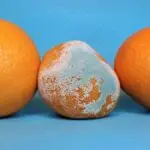
- Visible mold growth
- Damaged packaging
Teaching Methods
To deliver this lesson, the teacher will adopt the following methods: Discussion, Clarification, Presentation, Storytelling, Visual Aids, Group Work.
Instructional Procedures
To deliver this lesson, the teacher will adopt the following steps:
Step 1: Introduction (Set Induction)
Time: 5 mins
Teaching Skill: Set Induction
Teacher’s Activity: Tells a short story of a boy who got sick after eating roadside food.
Pupils’ Activity: Pupils listen and respond to questions.
step 2: Meaning of Contaminated food
Time: 5 mins
Teaching Skill: Explanation
Teacher’s Activity: Explains the meaning of contaminated foods using real food samples and pictures.
Pupils’ activity: Pupils observe samples and listen to the teacher.
Step 3: Causes of Contamination
Time: 5 mins
Teaching Skill: Storytelling
Teacher’s Activity: Tells a story of how food gets dirty during cooking or handling.
Pupils’ Activity: Pupils relate to the story and share ideas.
Step 4: Types of Contamination
Time: 5 mins
Teaching Skill: Demonstration
Teacher’s Activity: Shows examples of physical, chemical, and germ contamination using flash cards.
Pupils’ Activity: Pupils identify and name the types shown.
Step 5: Signs and Dangers
Time: 5 mins
Teaching Skill: Explanation
Teacher’s Activity: Describes signs of bad food and what happens when bad food is eaten.
Pupils’ Activity: Pupils discuss and ask questions.
Step 6: Note-Taking
Time: 5 mins
Teaching Skill: Writng
Teacher’s Activity: Guides pupils to copy short notes from the board.
Pupils’ Activity: Pupils copy notes into their books.
Step 7: Evaluation/review
Time: 3 mins
Teaching skill: Questioning
Teacher’s Activity: Asks pupils questions based on the lesson.
Pupils’ Activity: Pupils answer questions.
Objective-aligned checks:
- Explain the meaning of contaminated foods.
- Show concern about eating clean and safe food.
- Identify clean and contaminated food samples.
Step 8: Conclusion
Time: 2 mins
Teaching Skill: Closure
Teacher’s Activity: Recaps key points, gives moral instruction on cleanliness and food hygiene.
Pupils’ Activity: Pupils listen and reflect on what they learned.
Lesson Keywords
- Contaminated – not safe or clean
- Germs – tiny living things that cause illness
- Chemical – harmful substance added to food
- Physical – things like dirt or hair in food
- Illness – sickness caused by eating bad food
Lesson Evaluation
To evaluate the learning, the teacher asks pupils to:
- Say what contaminated food means
- List two causes of food contamination
- Name two types of contamination
- Mention two signs of bad food
- Point to a picture showing clean and contaminated food
Assignment/Homework
- List five ways to prevent food contamination at home.
- Describe what you would do if you suspected a food item was contaminated.
- Draw pictures of three different types of food contamination.
Differentiation
- for slower learners: Teacher pairs struggling pupils with more able ones for group work and gives extra guidance using visual aids.
- For advanced learners: Ask them to research different types of foodborne illnesses and present their findings to the class.
- For visual/auditory/kinesthetic learners: Use visual aids like pictures and videos, engage in discussions, and provide hands-on activities like examining food samples.
Note for Teachers
Ensure pupils participate in identifying food samples and use real-life examples they can relate to for better understanding.

Community Join the conversation Open discussion +