

Class: Primary 5
Term: 3rd Term
Subject: Pre-Vocational Studies
Curriculum theme: Agricultural Science
Previous Lesson: Effects Of Eating Contaminated Food
Topic: Meaning Of Farm Animals
Content/Learning Area: Meaning of Farm Animals and needs of growing young animals for healthy growth e.g Balanced ration: Clean water and clean environment
Time Allocation: 40 minutes
Performance Objectives
by the end of the lesson, pupils should be able to:
- Cognitive Domain: Explain the meaning of farm animals
- Affective Domain: Appreciate the importance of taking care of young animals
- Psychomotor Domain: identify basic needs of young farm animals
- Social Domain: Work cooperatively in groups to discuss animal care
Reference Materials
The following resources were used in planning this lesson:
- 9 Years Basic Education Curriculum
- Abuja Educational Resource Centre Scheme of Work
- NAPPS National unified Scheme of Work
- Online Facts from: merriam-webster – FARM ANIMALS definition & Meaning
- Relevant Textbooks
instructional Materials
To deliver this lesson, the teacher will use the following:
- Pictures of farm animals
- Flashcards with animal names
- Chart showing animal needs
- Real or model figures of animals
- Audio-visual aids on animal care
Rationale for the Lesson
Understanding farm animals and thier needs helps pupils develop basic agricultural knowledge and promotes care and obligation for animals.
Prerequisite/Previous Knowledge
Pupils have seen different animals around their homes and schools and may have learned about animal names and types in earlier classes.
Lesson Content
Meaning Of Farm Animals
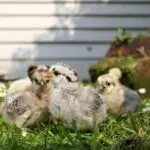
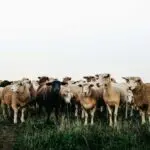
Farm animals are animals that are kept and raised by people to provide food, help with work, or make money. These animals are very useful to humans.
Types of Farm Animals
Farm animals are of different types based on their uses. Some give us food, others help us with work.
These include:
- Cows
- Goats
- Sheep
- Pigs
- Chickens
- Ducks
- Horses
- Donkeys
- Turkeys
- Rabbits
- Geese
Needs of Growing Young Animals
Young farm animals need special care to help them grow healthy and strong. The following are things young animals need for healthy growth:
- balanced food
- Clean water
- Clean shelter
- Warm environment
- Regular check-up
- Protection from cold
- Protection from diseases
- Adequate space to move around
- Social interaction with other animals
- Proper hygiene and sanitation
Teaching Methods
To deliver this lesson, the teacher will adopt the following methods: Discussion, Lecture, Storytelling, Description, Visual Aids, Group Work
Instructional Procedures
To deliver this lesson, the teacher will adopt the following steps:
Step 1: Introduction
Time: 5 mins
teaching Skill: Set Induction
Teacher’s activity: Tells a short story about a child helping to feed a baby goat and asks pupils if thay have seen or helped care for any young animal
Pupils’ Activity: Pupils listen to the story and share their own experiences
Step 2: Meaning of Farm Animals
Time: 7 mins
Teaching Skill: Explanation
Teacher’s Activity: Explains the meaning of farm animals with the help of pictures and charts
Pupils’ Activity: Pupils observe the pictures and respond to questions
Step 3: Types of Farm Animals
Time: 7 mins
Teaching Skill: Visual Aids
Teacher’s Activity: Shows pictures or models of different farm animals and names them one after the other
Pupils’ Activity: Pupils repeat the names and point at the animals
Step 4: Needs of Growing Animals
Time: 10 mins
Teaching Skill: Group Discussion
Teacher’s Activity: Groups pupils to discuss what young animals need and writes their points on the board
Pupils’ Activity: Pupils work in groups and share what they know about animal needs
Step 5: Note-Taking
Time: 3 mins
Teaching Skill: Writng
Teacher’s Activity: Guides pupils to write the notes on the board into their books
Pupils’ Activity: Pupils copy the notes into their books
Step 6: Evaluation/Review
Time: 5 mins
teaching Skill: Questioning
Teacher’s Activity: Asks oral questions to assess their understanding
pupils’ Activity: Pupils answer questions orally
Objective-aligned checks:
- Explain the meaning of farm animals.
- identify basic needs of young farm animals.
Step 7: Conclusion
Time: 3 mins
Teaching Skill: Instructional, Cognitive
Teacher’s Activity: Summarizes the lesson by revising key points and encouraging pupils to observe animals more closely around them
Pupils’ Activity: Pupils listen to the summary and nod or ask questions if needed
Lesson Keywords
- Farm animals – animals kept on a farm
- Balanced food – food with all nutrients
- Shelter – a safe place to live
- Environment – the surroundings where animals stay
- Protection – keeping something safe
Lesson Evaluation
To evaluate the learning, the teacher asks pupils to:
- Explain what farm animals are
- Mention three types of farm animals
- List four things young animals need to grow well
- Say why it is indeed notable to give animals clean water
- Work in groups to mention how they will care for a baby chick
Assignment/Homework
- List five farm animals found in your locality.
- Describe the type of shelter suitable for chickens.
- Explain why balanced food is critically important for young animals.
Differentiation
- For slower learners: The teacher will support slower learners with visual aids and repetition.
- For advanced learners: The teacher will give advanced learners extra questions to answer in their notebooks.
- For visual/auditory/kinesthetic learners: Use a variety of teaching aids such as pictures, videos, and hands-on activities to cater to different learning styles.
Note for Teachers
Encourage pupils to visit or talk about animals in their homes or neighbourhoods. Reinforce learning with real-life examples and allow for group participation to keep pupils engaged.


Community Join the conversation Open discussion +