

Class: primary 5
Term: 3rd Term
Subject: Pre-Vocational Studies
Curriculum Theme: Agricultural Science
Previous Lesson: Meaning Of Pests And Parasites
Topic: Pests And Parasites Of Farm Animals
Content/Learning area: Common Pests and Parasites of farm animals: e.g lice, housefly, worms, ticks, tsetse fly, etc.
Time Allocation: 40 minutes
Performance Objectives
By the end of the lesson, pupils should be able to:
- Cognitive Domain: List common pests and parasites of farm animals
- Affective Domain: Show concern for the health and well-being of farm animals
- Psychomotor Domain: Identify pictures of common pests and parasites of farm animals
- Social Domain: Participate actively in group discussions on how to prevent pests and parasites
Reference Materials
The following resources were used in planning this lesson:
- 9 years Basic Education Curriculum
- Abuja Educational Resource Center Scheme of work
- NAPPS National unified scheme of work
- Online Information from: britannica – Pest Definition & meaning
- relevant Textbooks
Instructional Materials
To deliver this lesson, the teacher will use the following:
- Flashcards showing pictures of pests and parasites
- Real samples or models of ticks, lice, flies (if available)
- Charts of farm animals
- A whiteboard and marker
- A textbook or printed notes
Rationale for the Lesson
Understanding pests and parasites helps pupils know how to protect farm animals from harm and keep them healthy.
Prerequisite/Previous Knowledge
Pupils already know some farm animals and have observed insects around them.
Lesson Content
Pests and Parasites of Farm Animals
Pests are harmful insects or animals that disturb farm animals. Parasites live on or inside animals and feed on them. Farm animals can be attacked by small harmful animals called pests and parasites. These can make animals sick or weak.
Examples of Pests
These are insects that trouble farm animals from outside their bodies. Examples are:
- Housefly
- Tsetse fly
- Mosquito
- Fleas
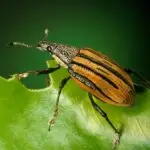
- Beetles
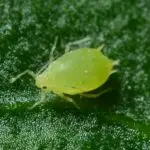
- Aphids
Examples of Parasites
These are small animals that live on or inside farm animals and feed on their blood or body.Examples are:
- Lice
- Ticks
- Roundworms
- Tapeworms
- Flukes
- Mites
Effects of Pests and Parasites
These harmful organisms can make animals sick and reduce their growth.
The following are:
- they cause wounds
- They spread diseases
- They make animals weak
- They reduce animal production
- They may kill farm animals
- They cause irritation and discomfort
- They can lead to stunted growth
Teaching Methods
To deliver this lesson, the teacher will adopt the following methods: Discussion, lecture, Explanation, Storytelling, Group Work, Visual Aids
Instructional Procedures
To deliver this lesson, the teacher will adopt the following steps:
Step 1: Introduction (Set Induction)
Time: 5 mins
Teaching Skill: Set Induction
Teacher’s Activity: The teacher tells a story of a sick goat full of ticks and asks pupils why the goat is weak and sick.Pupils’ Activity: Pupils listen and try to give answers.
Step 2: Meaning of Pests and Parasites
Time: 7 mins
Teaching Skill: Explanation
Teacher’s Activity: The teacher defines pests and parasites and explains how they affect animals. Uses flashcards for illustration.
Pupils’ Activity: pupils observe pictures and listen to explanation.
Step 3: Examples of Pests
Time: 6 mins
Teaching Skill: visual Aids
Teacher’s Activity: The teacher shows pictures of housefly,tsetse fly,mosquito and fleas and names each one.
Pupils’ Activity: Pupils identify the pests and repeat their names.
Step 4: Examples of Parasites
Time: 6 mins
Teaching Skill: Explanation
Teacher’s Activity: The teacher explains parasites with real or model samples and writes their names on the board.
Pupils’ Activity: Pupils look at samples or images and mention each parasite shown.
Step 5: Effects of Pests and Parasites
Time: 6 mins
Teaching Skill: Discussion
Teacher’s Activity: The teacher explains the effects and asks pupils to mention what can happen to animals attacked by pests or parasites.
Pupils’ Activity: Pupils mention different effects as taught and observed.
Step 6: Note-Taking
Time: 4 mins
Teaching Skill: Note Writing
Teacher’s Activity: The teacher writes the lesson content on the board clearly for pupils to copy.
Pupils’ Activity: pupils copy the notes into their exercise books.
Step 7: Evaluation/Review
Time: 4 mins
Teaching Skill: Questioning
Teacher’s Activity: The teacher asks pupils to list pests, parasites and their effects on animals.
Pupils’ Activity: Pupils answer questions verbally and show what they have learned.
Objective-aligned checks:
- List common pests and parasites of farm animals.
- Show concern for the health and well-being of farm animals.
- Identify pictures of common pests and parasites of farm animals.
Step 8: Conclusion
Time: 2 mins
Teaching Skill: Instructional/Cognitive
Teacher’s Activity: The teacher reviews key points and encourages pupils to always report sick or weak animals to an adult or farmer.
Pupils’ Activity: Pupils listen, respond and share ideas.
Lesson Keywords
- Pests – harmful insects that disturb animals
- Parasites – small animals that live on or inside animals
- ticks – parasites that suck blood from animals
- Lice – small insects that live on animal hair or skin
- Tsetse fly – a fly that spreads disease in animals
Lesson Evaluation
To evaluate the learning, the teacher asks pupils to:
- What are pests?
- Mention two examples of pests
- What are parasites?
- List three parasites of farm animals
- state two effects of pests and parasites on farm animals
Assignment/Homework
- Draw and label three common pests of farm animals.
- List three ways pests and parasites affect farm animals.
- Research and write down two methods of preventing pests and parasites on a farm.
Differentiation
- For slower learners: Provide simplified explanations and visual aids, focusing on identifying common pests and parasites.
- For advanced learners: Encourage them to research different types of pests and parasites and their specific effects on various farm animals.
- For visual/auditory/kinesthetic learners: Use flashcards, real samples, and interactive activities to cater to different learning styles.
Note for Teachers
Always use real-life examples and ensure pupils observe pictures and ask questions for better understanding. Avoid lengthy notes and encourage active participation.
Community Join the conversation Open discussion +