

Class: Primary 5
Term: 3rd Term
Subject: Pre-Vocational Studies
Curriculum Theme: Agricultural Science
Previous Lesson: Meaning Of Farm Animals
Topic: Steps In Rearing Farm Animals
Content/Learning Area: Procedures/steps involved in rearing Farm Animals e.g Construction of houses or shelter……….
Time Allocation: 40 minutes
Performance Objectives
By the end of the lesson,pupils should be able to:
- Cognitive Domain: Identify and describe the major steps involved in rearing farm animals.
- Affective Domain: Show interest and concern for the proper care of farm animals.
- Psychomotor Domain: Arrange the steps involved in rearing farm animals in the correct order.
- Social Domain: Cooperate with classmates in role-playing the steps in rearing animals.
Reference Materials
The following resources were used in planning this lesson:
- 9 Years Basic Education Curriculum
- abuja Educational Resource Center Scheme of work
- NAPPS National Unified Scheme of Work
- Online Information from: britannica – Livestock farming | Definition, Methods, Breeds, & Facts
- Relevant Textbooks
Instructional Materials
To deliver this lesson, the teacher will employ the help of the following:
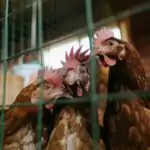
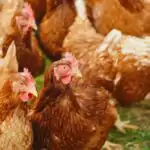
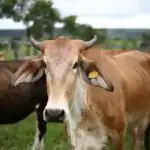
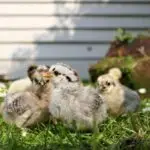
Pictures and charts showing farm animals, Sample models of animal shelters, Flash cards with steps written on them, Videos or animations showing animal rearing, real or toy models of farm animals
Rationale for the Lesson
Understanding the steps in rearing farm animals helps pupils know how to care for animals properly and encourages interest in agriculture.
Prerequisite/Previous Knowledge
Pupils have seen domestic animals in their environment and have discussed different types of farm animals in earlier classes.
Lesson Content
Steps In Rearing Farm Animals
farm animals need to be properly cared for so they can grow well and be useful to humans. Below are the steps to follow in rearing animals on the farm.
- Selection of Animal: Choosing the right type of animal is the first step. The animal must be healthy and suitable for the environment.
- Construction of Shelter: Animals need a house to protect them from sun, rain, and wild animals.
- Feeding the Animals: Animals must be given good food and clean water every day to stay healthy.
- Giving of Drugs and Vaccination: Animals must be treated for sickness and given vaccines to prevent disease.
- Cleaning and Hygiene: Animals and their shelters must be kept clean to stop diseases from spreading.
Teaching Methods
To deliver this lesson, the teacher will adopt the following methods:
Discussion, lecture, explanation, storytelling, use of visual aids, role-play, group work
Instructional Procedures
To deliver this lesson, the teacher will adopt the following steps:
Step 1: Introduction
Time: 5 mins
Teaching skill: Set Induction
Teacher’s Activity: Tells a short story about a boy who rears chickens in his backyard.Pupils’ Activity: Pupils listen and respond to questions about the story.
Step 2: Selection of Animal
Time: 5 mins
Teaching Skill: Explanation
Teacher’s Activity: Explains how to select healthy animals and names common farm animals.
Pupils’ Activity: Pupils identify animals they know and listen to the teacher.
Step 3: Construction of Shelter
Time: 5 mins
Teaching Skill: Use of Visual Aids
Teacher’s activity: Shows pictures of animal shelters and describes their features.
Pupils’ Activity: Pupils observe and describe the shelters.
Step 4: Feeding the Animals
Time: 5 mins
Teaching Skill: Storytelling
Teacher’s Activity: Tells a story of how a farmer feeds his animals every morning and evening.
pupils’ Activity: Pupils list food items animals eat.
Step 5: Giving of Drugs and Vaccines
Time: 5 mins
Teaching skill: Explanation
Teacher’s Activity: Talks about the need for vaccination and mentions examples of animal medicines.
Pupils’ Activity: Pupils discuss the importance of treating animals.
Step 6: Cleaning and Hygiene
Time: 5 mins
Teaching Skill: Exhibition
Teacher’s Activity: Describes steps in keeping animal houses clean and safe.
Pupils’ Activity: Pupils list ways to clean animal shelters.
step 7: Note-Taking
Time: 2 mins
Teaching Skill: Copying/Guided Writing
Teacher’s Activity: Dictates or writes summary of the steps on the board.
Pupils’ Activity: Pupils copy notes into their books.
Step 8: Evaluation/Review
Time: 2 mins
Teaching Skill: Questioning
Teacher’s Activity: Asks oral questions to assess understanding of each step taught.
Pupils’ Activity: Pupils answer questions and demonstrate knowledge.
Step 9: Conclusion
Time: 1 min
Teaching Skill: Instructional Closure
Teacher’s Activity: Summarizes the steps and encourages pupils to try caring for a pet at home.
Pupils’ Activity: Pupils clap and reflect on what they’ve learnt.
Lesson Keywords
- Rearing – Taking care of animals until they grow.
- Shelter – A house or place were animals stay.
- Vaccination – A way of giving medicine to prevent sickness.
- Hygiene – Keeping clean to stay healthy.
- Feed – Food given to animals.
Lesson Evaluation
To evaluate the learning, the teacher asks pupils to:
- Mention two animals that can be reared at home.
- State one reason why animals need a shelter.
- Describe one way to keep animal houses clean.
- Explain why vaccination is important in animal care.
Assignment/Homework
(There is no homework in the attached lesson plan)
Differentiation
- For slower learners: Fast learners explain extra examples of farm animals.
- For advanced learners: Slower learners get extra support through visuals and group activities.
- For visual/auditory/kinesthetic learners: (There is no differentiation by learning style in the attached lesson plan)
Note for Teachers
Ensure to show real or model pictures of animal shelters. Make the lesson participatory and practical to increase understanding.
Community Join the conversation Open discussion +