

Class: Primary 4
Term: First Term
Subject: pre-Vocational Studies (Agricultural Science)
Curriculum Theme: Agriculture
Previous Lesson:
Topic: Importance of Agriculture
Content/Learning Area: Sources of food and medicine from agriculture.
Time Allocation: 40 minutes
Performance Objectives
By the end of the lesson, pupils should be able to:
- Cognitive Domain: Identify two sources of food and medicine.
- affective Domain: Appreciate the role of agriculture in providing food and medicine.
- Psychomotor Domain: List two typical examples of raw materials.
- Social Domain: Participate in discussions about the importance of agriculture.
Reference Materials
- Agricultural Science for Primary Schools.
- Basic Agricultural Science Textbook for Primary Schools.
- Online resources on agriculture:
importance of Agriculture – Employment and Job Creation, Source of Income for Primary 4
Lesson on The Environment (Basic 1)
* Lesson note on Meaning Of Plants (Primary 1)
Instructional materials
To deliver this lesson, the teacher will employ the help of the following materials:
- Charts illustrating different agricultural products.
- real samples of grains, fruits, and vegetables.
- Pictures of medicinal plants and herbs.
Rationale for the Lesson
This lesson highlights the crucial role of agriculture in providing food and medicine, fostering an understanding of its importance in sustaining life and health.
Prerequisite/previous Knowledge
Pupils are familiar with basic food items and have a general understanding of where food comes from.
Lesson Content
What is Agriculture?
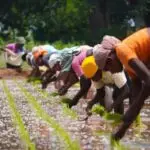
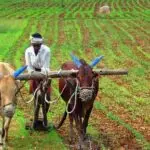
Agriculture is the process of cultivating plants and raising animals for human use. It involves various activities.
These include:
- Farming: Growing crops like wheat, rice, yam, and vegetables.
- Animal Husbandry: Raising livestock like cows,goats,chickens,and pigs.
- Fishing: Catching fish,crabs,shrimps,and othre seafood.
- Forestry: Managing forests for timber, fuel wood, and other products.
Agriculture for Food
Agriculture is a primary source of various food items essential for human nutrition.
Some of the main sources of food from agriculture include:
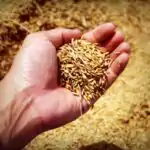
- Grains: Such as wheat,rice,maize (corn),millet,and sorghum are staple foods in many cultures.
- Fruits: Apples, oranges, bananas, mangoes, and berries are rich in vitamins and minerals.
- Vegetables: carrots, broccoli, spinach, tomatoes, and peppers provide essential nutrients.
- Dairy Products: Milk, cheese, yogurt, butter, and ice cream are derived from cows, goats, or sheep.
- Meat: From animals like cattle, poultry, fish, goat, and bush meat is a source of protein.
- Legumes: Beans, lentils, peas, soybeans, and groundnuts are high in protein and fiber.
Agriculture for Medicine
Agriculture provides raw materials and plants used in customary and modern medicine.
There are many sources of medicine derived from agriculture, such as:
- Herbs and Plants: Aloe vera, peppermint, ginger, turmeric, and neem are used in traditional medicine.
- Bark and Roots: Willow bark, a source of salicylic acid, is used to make aspirin; ginger roots and tree barks are also used.
- Animals: Honey, used for its antibacterial properties, royal jelly, and animal fats are examples of animal-derived medicines.
- Microorganisms: Bacteria and fungi are used to produce antibiotics, vaccines, and other medicines.
- Minerals: Iron, calcium, zinc, and magnesium are used as dietary supplements.
- Synthetic Compounds: Many medicines are synthesized from chemical compounds derived from plants or animals.
Teaching Methods
To deliver this lesson, the teacher will adopt the following methods: Discussion, Clarification, Visual Aids, Question and Answer.
Instructional Procedures
To deliver this lesson, the teacher will adopt the following steps:
Step 1: Introduction
Time: 5 minutes
Teaching Skill: Set Induction
Teacher’s Activity: Greets the pupils and reviews the previous lesson on the meaning of agriculture. Asks pupils about their favorite foods and where they come from.
Pupils’ activity: Respond to the greeting and share their favorite foods and their sources.
Step 2: Explaining Agriculture
Time: 10 minutes
Teaching Skill: Explanation
Teacher’s Activity: Explains what agriculture is, emphasizing the cultivation of plants and raising of animals. Uses charts and pictures to illustrate different agricultural activities.
Pupils’ Activity: Listen attentively and ask questions to clarify their understanding.
Step 3: Food Sources from Agriculture
Time: 10 minutes
Teaching Skill: Discussion
Teacher’s Activity: Discusses the various food sources derived from agriculture, such as grains, fruits, vegetables, dairy products, meat, and legumes. Shows real samples of grains, fruits, and vegetables.
Pupils’ Activity: Identify and name different food items, discussing their nutritional benefits.
Step 4: Medicine Sources from Agriculture
Time: 10 minutes
teaching Skill: Explanation
Teacher’s Activity: Explains how agriculture provides sources of medicine, including herbs, plants, bark, roots, animals, microorganisms, and minerals. Shows pictures of medicinal plants and herbs.
Pupils’ Activity: Listen attentively and ask questions about the medicinal uses of different plants and animals.
Step 5: Note-Taking
Time: 3 minutes
Teaching Skill: Summarization
teacher’s Activity: Summarizes the main points of the lesson on the board.
Pupils’ Activity: copy the notes into their notebooks.
step 6: Evaluation/Review
Time: 5 minutes
Teaching skill: Assessment
Teacher’s Activity: Asks evaluation questions to assess pupils’ understanding of the lesson.
Pupils’ Activity: Answer the evaluation questions.
Objective-aligned checks:
- Identify two sources of food and medicine.
- List two typical examples of raw materials.
Step 7: Conclusion
Time: 2 minutes
Teaching Skill: Closure
Teacher’s Activity: Concludes the lesson by summarizing the importance of agriculture in providing food and medicine.
Pupils’ Activity: Listen to the conclusion and ask any remaining questions.
Lesson Keywords
- Agriculture – the practice of cultivating plants and raising animals for food, fiber, and other products.
- Food – Any nutritious substance that people or animals eat or drink in order to maintain life and growth.
- Medicine – A substance used in treating disease or relieving pain.
- Grains – Seeds of cereal crops such as wheat, rice, and maize.
- Legumes – Plants with seed pods,such as beans,lentils,and peas.
Lesson Evaluation
To evaluate the learning, the teacher asks pupils to:
- Name two sources of food from agriculture.
- Give two examples of medicinal plants.
- List two raw materials obtained from agriculture.
Assignment/Homework
- List five food items you eat regularly and identify their agricultural sources.
- Research and write down three medicinal plants found in your locality and their uses.
Differentiation
- For slower learners: Provide simplified notes and one-on-one assistance during discussions.
- For advanced learners: Encourage them to research and present on specific agricultural practices and their impact on food and medicine production.
- For visual/auditory/kinesthetic learners: Use visual aids, interactive discussions, and hands-on activities with real samples of agricultural products.
Note for Teachers
Ensure to use local examples and relatable scenarios to explain the concepts.Encourage pupils to share their personal experiences with agriculture and food sources.
Community Join the conversation Open discussion +