

Class: Primary One
Term: Third Term
Subject: Pre-vocational Studies
Curriculum Theme: Agricultural science
Previous Lesson:
Topic: Farm Animals
Content/Learning Area: Farm Animals
Time Allocation: 40 minutes
Performance Objectives
By the end of the lesson, pupils should be able to:
- Cognitive domain:
1. Define farm animals.
2. Identify examples of farm animals and the products they provide.
3. Explain the importance of farm animals.
- Psychomotor Domain:
1. Draw and label at least two farm animals.
- Affective domain:
1. Show interest in learning about farm animals.
- social Domain:
1.Participate in group discussions about farm animals.
Reference Materials
- 9 – years Basic Education Curriculum
- Abuja Educational Resource Center Scheme of Work
- NAPPS National Unified scheme of Work
- Online Details
- Relevant textbooks
Instructional Materials
To deliver this lesson, the teacher will use the following materials:
- Whiteboard or chart paper
- Markers or crayons
- Pictures or flashcards of farm animals
Rationale for the Lesson
Understanding farm animals is crucial for pupils to appreciate where their food comes from and the role animals play in our lives. This lesson lays a foundation for future studies in agriculture and environmental science.
Prerequisite/Previous Knowledge
The teacher will start by asking pupils what animals they have seen on farms or in pictures. The teacher will than introduce the topic of farm animals, emphasizing their importance.
Lesson content
Farm Animals
Farm animals are animals raised on farms for various reasons, such as providing food, clothing, or helping with work.
Examples include:
Cows
These animals are known for their milk and meat production.
They are:
- Provide milk (used for drinking,cheese,yogurt,butter).
- Provide beef (a type of meat).
- Provide leather (used for making shoes, bags, and belts).
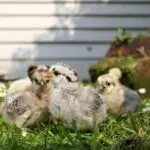
Chickens
These birds are raised for their eggs and meat.
They are:
- Provide eggs (a nutritious protein source).
- Provide chicken meat.
- Provide feathers (used for pillows and insulation).
Sheep
These animals are valued for their wool and meat.
They are:
- Provide wool (used for clothing and blankets).
- Provide mutton (a type of meat).
- Provide lanolin (used in cosmetics and skincare products).
Pigs
These animals are raised for their meat and other products.
They are:
- Provide pork (a type of meat).
- Provide lard (a cooking fat).
- Provide bacon (a popular breakfast meat).
Importance of Farm Animals
Farm animals are crucial as they provide:
- Food: milk, eggs, meat, cheese
- Clothing: wool, leather
- Work: pulling carts, plowing fields
- Companionship: some people keep them as pets
Teaching Methods
To deliver this lesson, the teacher will adopt the following methods: Discussion, Question and answer, Visual aids
Instructional Procedures
to deliver this lesson, the teacher will adopt the following steps:
Step 1: Introduction
Time: 5 minutes
Teaching Skill: Questioning
Teacher’s Activity: Ask pupils what animals they know and where they might find them.
Pupils’ Activity: Respond to the teacher’s questions.
Step 2: Description of Key Concepts
Time: 10 minutes
Teaching Skill: Explaining
Teacher’s Activity: Define farm animals and give examples.
Pupils’ Activity: Listen attentively and ask questions.
Step 3: Demonstration/Guided Practice
Time: 10 minutes
Teaching Skill: Demonstrating
Teacher’s Activity: Show pictures of farm animals and discuss their characteristics and the products they provide.Pupils’ Activity: Observe and participate in the discussion.
Step 4: Autonomous Practice
Time: 5 minutes
Teaching Skill: monitoring
Teacher’s Activity: Ask pupils to draw and label two farm animals.
Pupils’ Activity: Draw and label farm animals.
Step 5: note-Taking
Time: 5 minutes
Teaching Skill: Guiding
Teacher’s Activity: Guide pupils in summarizing key points about farm animals.Pupils’ Activity: Write down key points.
Step 6: Evaluation/Review
Time: 5 minutes
Teaching Skill: Questioning
Teacher’s Activity: Ask evaluation questions.
Pupils’ Activity: Answer the evaluation questions.
Objective-aligned checks:
- Define farm animals.
- Identify examples of farm animals and the products they provide.
- Explain the importance of farm animals.
Step 7: Conclusion
Time: 5 minutes
Teaching Skill: Summarizing
Teacher’s Activity: Summarize the lesson and assign homework.
Pupils’ activity: Listen and note homework.
Lesson keywords
- Farm Animals – Animals raised on farms for various purposes.
- Cows – farm animals that provide milk and beef.
- Chickens – Farm animals that provide eggs and meat.
- Sheep – Farm animals that provide wool and mutton.
- Pigs – Farm animals that provide pork and lard.
Lesson Evaluation
To evaluate the learning, the teacher asks pupils to:
- What are farm animals?
- name three farm animals and what they provide.
- Why are farm animals important?
- Draw and label two farm animals.
Assignment/Homework
- Draw your favorite farm animal and write a short sentence about it.
- List three products that come from farm animals and explain how we use them.
Differentiation
- For slower learners: The teacher will provide one-on-one assistance and use simpler language.
- For advanced learners: The teacher will encourage them to research additional farm animals and their uses.
- For visual/auditory/kinesthetic learners: use visual aids, discussions, and hands-on activities like drawing and labeling.
Note for teachers
Ensure to use real-life examples and visual aids to make the lesson engaging. encourage pupils to share their experiences with farm animals to foster a deeper understanding and thankfulness.



Community Join the conversation Open discussion +