

Class: Primary One
Term: First Term
Subject: Basic Science and Technology
Curriculum Theme: Basic Science
Previous Lesson: Uses of Colour
Topic: Exploring Our environment
Content/Learning Area: Identifying living and non-living things, Explaining the importance of the environment, Describing ways to protect the environment
Time allocation: 40 minutes
Performance Objectives
By the end of the lesson, pupils should be able to:
- Cognitive Domain:
- Identify living and non-living things in thier environment.
- Explain the importance of the environment for life.
- Describe ways to protect and care for the environment.
- Affective Domain:
- Show gratitude for the environment.
- Demonstrate a willingness to protect the environment.
- Psychomotor Domain:
- draw a picture of their environment and label the living and non-living things.
- Social Domain:
- Discuss with classmates or family ways to protect the environment.
Reference Materials
- 9 – Years basic Education Curriculum
- Abuja Educational Resource Center Scheme of Work
- NAPPS National Unified Scheme of work
- Relevant Textbooks
Instructional Materials
To deliver this lesson, the teacher will use the following materials:
- Whiteboard or chart paper
- Markers or crayons
- Pictures of living and non-living things
Rationale for the Lesson
This lesson is crucial for developing environmental awareness in young learners.Understanding the environment and its importance helps children appreciate nature and develop responsible environmental behaviors, contributing to a lasting future.
Prerequisite/Previous Knowledge
Pupils have basic awareness of their surroundings.
Lesson Content
Exploring the Environment
What is the Environment?
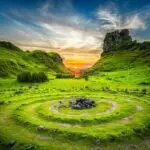
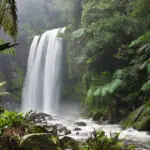
The environment is everything around us – the air, water, land, and all living and non-living things.
The environment includes the following things:
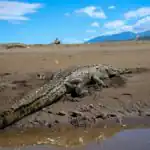
- Living Things: Grow, move, need food to survive (plants, animals, humans). They have a life cycle and reproduce.
- Non-Living Things: Don’t grow or move on their own, don’t need food (rocks, water, air). They are not alive.
Things in the Environment
Many things in our environment have essential roles.
Living Things:
Living things are things that have life in them and can grow, move, need food to survive. These include:
- Plants: Trees, flowers, grass provide oxygen, food, clean air, and habitats.
- Animals: Birds, insects, pets help the ecosystem by pollinating and controlling pests. They provide food.
- Humans: We have an important role in maintaining or harming the environment.
- Microorganisms: Bacteria, fungi, and other tiny organisms that decompose organic matter and recycle nutrients.
- Aquatic life: Fish, algae, and other organisms that live in water and contribute to aquatic ecosystems.
Non-Living Things:
Non-living things are objects or things that are not alive, they cannot grow or move on their own and don’t need food. These include:
- Water: Essential for survival; used for drinking, crops, etc.
- Air: Provides oxygen and regulates Earth’s temperature.
- Rocks and soil: Provide minerals, foundation for plants, filter water, and provide habitats.
- Sunlight: Provides energy for plants to grow thru photosynthesis.
- Minerals: naturally occurring substances that are essential for plant and animal growth.
Importance of the Environment
Caring for our environment is crucial as:
- Supports Life: Provides air, water, and food for survival.
- Habitats: Offers homes for plants and animals.
- Resources: Supplies materials like wood, minerals, and water.
- Climate Regulation: Helps maintain a stable climate and weather patterns.
- Economic Benefits: Provides resources for agriculture, forestry, and tourism.
Teaching Methods
To deliver this lesson, the teacher will adopt the following methods: Discussion, Question and answer, Activity-based learning.
instructional Procedures
To deliver this lesson, the teacher will adopt the following steps:
Step 1: Introduction
Time: 5 minutes
Teaching Skill: Set Induction
Teacher’s Activity: Asks pupils what they see around them and introduces the topic of exploring the environment.
Pupils’ Activity: respond to the teacher’s questions and listen attentively.
Step 2: Description of Key Concepts
Time: 10 minutes
Teaching Skill: Explaining
teacher’s Activity: Explains the difference between living and non-living things, giving examples.
Pupils’ Activity: listen attentively and participate in discussions.
Step 3: Presentation/Guided Practice
Time: 10 minutes
Teaching Skill: Demonstrating
Teacher’s Activity: Shows pictures of living and non-living things and guides pupils in identifying them.
Pupils’ Activity: Participate in identifying living and non-living things.
Step 4: Independent Practice
Time: 5 minutes
Teaching Skill: Monitoring
Teacher’s Activity: Asks pupils to draw a picture of their environment and label the living and non-living things.
Pupils’ activity: Draw and label their pictures.
Step 5: Note-taking
Time: 5 minutes
Teaching skill: Summarizing
Teacher’s Activity: Summarizes the key points of the lesson.
Pupils’ Activity: Listen attentively and take notes.
Step 6: Evaluation/Review
Time: 5 minutes
Teaching Skill: Questioning
Teacher’s Activity: Asks evaluation questions to assess pupils’ understanding.
Pupils’ Activity: Answer the evaluation questions.
Objective-aligned checks:
- Identify living and non-living things in thier environment.
- Explain the importance of the environment for life.
- Describe ways to protect and care for the environment.
Step 7: conclusion
Time: 2 minutes
Teaching Skill: Summarizing
Teacher’s Activity: Concludes the lesson by summarizing the key points and assigning homework.
Pupils’ Activity: Listen attentively and note down homework.
Lesson Keywords
- Environment – Everything around us, including living and non-living things.
- Living Things – Organisms that grow, move, and need food to survive.
- Non-living Things – Objects that do not grow or need food, like rocks and water.
- Ecosystem – A community of living organisms interacting with each other and their environment.
- Habitat – The natural home or environment of an animal, plant, or other organism.
Lesson Evaluation
To evaluate the learning, the teacher asks pupils to:
- What are two main types of things in the environment?
- Why are plants vital?
- How can humans harm the environment?
- How can you help protect the environment?
- Why save water?
Assignment/Homework
- Draw a picture of your environment and label at least three living and three non-living things.
- Write a short paragraph about one thing you can do to help the environment.
Differentiation
- For slower learners: Provide one-on-one assistance and use simpler language.
- For advanced learners: Encourage them to research further and present their findings to the class.
- For visual/auditory/kinesthetic learners: Use visual aids,discussions,and hands-on activities to cater to different learning styles.
Note for Teachers
Ensure to use real-life examples from the pupils’ immediate environment to make the lesson more relatable and engaging. Encourage active participation and hands-on activities to reinforce learning.
Community Join the conversation Open discussion +