

Class: Junior Secondary School 1 (JSS1, JSS 1)
Term: 1st Term
Week: 2
Age: 12 years
Duration: 45 minutes
Subject: Basic Science And Technology
Curriculum Theme: Basic Science
Sub Theme: Concept Of Living And Non Living Things
Previous Lesson: Living Things, Non-Living Things and Matter
Topic: Characteristics Of Living And Non Living Things
Subject Matter: Characteristics of living and Non Livings, Examples, Characteristics and Importance of Plants and Animals
Specific Objectives
By the end of the lesson, pupils should be able to:
- Cognitive Domain:
(a) Define living and non-living things.
(b) State the characteristics of living and non-living things.
(c) Explain the importance of plants and animals to human life. - Affective Domain:
(a) Appreciate the value of both plants and animals in maintaining balance in the environment.
(b) Show interest in preserving natural life forms. - Psychomotor Domain:
(a) Identify examples of living and non-living things within the classroom and school environment.
(b) Classify objects into living and non-living groups correctly. - Social Domain:
(a) Work cooperatively in groups to discuss examples of living and non-living things.
(b) Share ideas respectfully while learning about environmental resources.
Reference Materials
The following resources were used in planning this lesson:
- 9 Years Basic Education Curriculum
- Lagos State Unified Scheme of work for Junior Secondary Schools
- Online information from: Science Learning Hub – Characteristics of living things
- Relevant Textbooks
Instructional Materials
The teacher will teach this lesson with the aid of:
- Charts showing plants, animals, and objects
- Real specimens such as leaves, stones, insects, books, etc.
- Flash cards with terms “Living” and “Non-living”
- Multimedia presentation (pictures or short videos)
- Whiteboard/marker
Rationale for the Lesson
This lesson helps pupils understand the differences between living and non-living things and why plants and animals are important for life.
Prerequisite/Previous Knowledge
Pupils have observed plants, animals, and objects in their surroundings and can differentiate between things that move and those that do not.
Lesson Content/Board Summary
Characteristics Of Living And Non Living Things
Meaning of Living Things
Living things are organisms that have life and can perform basic activities such as breathing, feeding, and reproduction.
The following are characteristics of living things:
- They breathe (respiration).
- They move from one place to another or show movement.
- They feed to gain energy.
- They grow and develop.
- They respond to changes around them (sensitivity).
- They reproduce young ones.
- They excrete waste products.
- They die at the end of their life.
Meaning of Non-Living Things
Non-living things are objects that do not have life. They cannot perform the activities of living things.
The following are characteristics of non-living things:
- They do not breathe.
- They cannot move on their own.
- They do not feed.
- They do not grow or develop.
- They cannot reproduce.
- They cannot respond to stimuli.
- They do not excrete.
- They do not die.
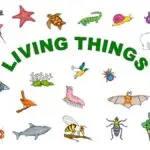
Examples of Living and Non-Living Things
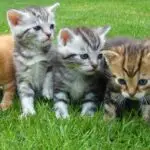
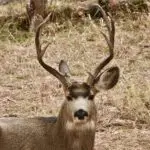
Living things can be plants, animals, and human beings. Non-living things include man-made and natural objects.
Examples of living things are:
- Goat
- Mango tree
- Human being
- Dog
- Grass
Examples of non-living things include:
- Stone
- Chair
- Sand
- Table
- Book
Importance of Plants and Animals
Plants and animals are very important to humans and the environment.
The following are importance of plants:
- They provide food such as fruits, vegetables, and grains.
- They release oxygen needed for breathing.
- They are used in producing medicine.
- They provide wood for building and furniture.
The following are importance of animals:
- They provide food such as meat, milk, and eggs.
- They serve as means of transportation (horses, donkeys, camels).
- They are sources of raw materials like wool and leather.
- They help in pollination and spreading seeds.
Teaching Methods/Instructional Techniques:
Discussion, Lecture, Storytelling, Explanation, Demonstration, Question and Answer, Group Work, Use of Visual Aids
Instructional Procedures
To deliver this lesson, the teacher will adopt the following steps:
Step 1: Introduction
Time: 5 minutes
Teaching Skill: Set Induction
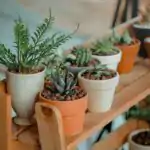
Teacher’s Activity: The teacher shows pupils two objects (a stone and a live plant) and asks them which one is living and why.
Pupils’ Activity: Pupils observe and respond by saying the plant is living and the stone is non-living.
Learning Point: Pupils become interested in learning about living and non-living things.
Step 2: Meaning of Living and Non-Living Things
Time: 7 minutes
Teaching Skill: Explanation
Teacher’s Activity: The teacher defines living and non-living things and explains their basic difference.
Pupils’ Activity: Pupils listen and ask questions.
Learning Point: Pupils understand the basic meaning of living and non-living things.
Step 3: Characteristics of Living and Non-Living Things
Time: 10 minutes
Teaching Skill: Discussion
Teacher’s Activity: The teacher lists and explains the characteristics of living and non-living things with examples.
Pupils’ Activity: Pupils take notes and mention examples of objects they know.
Learning Point: Pupils can identify the differences between living and non-living things.
Step 4: Examples of Living and Non-Living Things
Time: 8 minutes
Teaching Skill: Demonstration
Teacher’s Activity: The teacher presents charts or real objects and asks pupils to classify them as living or non-living.
Pupils’ Activity: Pupils group objects into living and non-living categories.
Learning Point: Pupils can classify things into living and non-living categories.
Step 5: Importance of Plants and Animals
Time: 8 minutes
Teaching Skill: Explanation
Teacher’s Activity: The teacher explains the importance of plants and animals to human life.
Pupils’ Activity: Pupils listen, take notes, and give examples of how they use plants and animals at home.
Learning Point: Pupils understand the importance of plants and animals in their lives.
Step 6: Note-Taking
Time: 2 minutes
Teaching Skill: Supervision
Teacher’s Activity: The teacher dictates or writes the board summary for pupils to copy.
Pupils’ Activity: Pupils copy notes into their exercise books.
Learning Point: Pupils have correct records of the lesson.
Step 7: Evaluation/Review
Time: 3 minutes
Teaching Skill: Questioning
Teacher’s Activity: The teacher evaluates the learning by asking the following questions:
- What are living things?
- Mention four characteristics of living things.
- Give three examples of non-living things.
- List two importance of plants.
- State two importance of animals.
Pupils’ Activity: Pupils respond to the questions orally.
Learning Point: Pupils recall and apply what they have learned.
Step 8: Conclusion
Time: 2 minutes
Teaching Skill: Reinforcement
Teacher’s Activity: The teacher summarizes the lesson and encourages pupils to always observe and classify things around them.
Pupils’ Activity: Pupils listen and ask final questions.
Learning Point: Pupils understand and can apply the knowledge gained in their environment.
Home Task: Record two correct examples of Characteristics Of Living And Non Living Things from the lesson or home environment and explain each in your own words.
Lesson Keywords
- Living things – Organisms that have life.
- Non-living things – Objects without life.
- Characteristics – Features or qualities that describe something.
- Respiration – Process of breathing in oxygen and giving out carbon dioxide.
- Reproduction – The act of producing young ones.
Differentiation
The teacher will support slower learners with real-life objects and simple examples, while faster learners will be encouraged to give additional examples and explain their importance.
Note for teachers using this lesson plan
Ensure to use real-life examples around the school environment to sustain pupils’ interest. Encourage active participation by allowing pupils to classify objects themselves.
Community Join the conversation Open discussion +