

Class: Primary 1
Term: First Term
Week: 5
Age: 6 years
Duration: 45 minutes
Subject: Islamic Religion Studies
Curriculum Theme: Islamic Religion Studies
Previous Lesson: Distinguishing letters with similar shapes and consolidating the alphabet set.
Topic: Islamic Songs
Subject Matter: Islamic religious song
Specific Objectives
By the end of the lesson, pupils should be able to:
Cognitive Domain:
- Identify the five pillars of Islam.
- State the meaning of each pillar in simple terms.
Affective Domain:
- Appreciate the importance of Islamic songs in learning about their religion.
- Show enthusiasm while singing songs about the pillars of Islam.
Psychomotor Domain:
- Recite the five pillars of Islam through a song.
- Participate actively in singing Islamic songs.
Social Domain:
- Cooperate with classmates during group singing activities.
- Share knowledge about the pillars of Islam with others.
Reference Materials
The following resources were used in planning this lesson:
- 9 Years Basic Education Curriculum for Islamic Religion Studies.
- State Unified Scheme of Work for Primary 1 Islamic Religion Studies.
- Dawah Series: Islamic Religion Studies for Primary 1.
Instructional Materials
The teacher will teach this lesson with the aid of:
- Chart showing the five pillars of Islam with simple pictures.
- Audio recording of an Islamic song about the pillars.
- Flashcards with names of the pillars.
Rationale for the Lesson
This lesson helps pupils learn about the fundamental principles of Islam in an engaging way through songs. Understanding the pillars of Islam is important for their religious foundation, and music helps them remember these concepts easily.
Prerequisite/Previous Knowledge
Pupils know that Islam is a religion and have heard some simple Islamic greetings.
Lesson Content/Board Summary
Islamic Songs
Learning the Pillars of Islam through Song
Islamic songs are beautiful songs that teach us about Allah, Prophet Muhammad (SAW), and the teachings of Islam. They help us remember important things about our religion.
The Five Pillars of Islam
The Five Pillars of Islam are the basic duties that Muslims must perform. They are like the strong foundations of our religion.
- Shahada (Declaration of Faith): Believing and saying there is no god but Allah, and Muhammad is His messenger.
- Salat (Prayer): Performing five daily prayers facing the Kaaba.
- Zakat (Charity): Giving a portion of one’s wealth to the poor and needy.
- Sawm (Fasting): Fasting during the month of Ramadan.
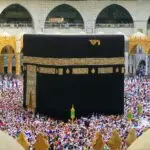
- Hajj (Pilgrimage): Making a pilgrimage to the Holy House of Allah in Mecca, if one is able.
Key Teaching Point:
Knowing and practicing the Five Pillars makes us good Muslims and helps us please Allah (SWT).
Simple Song about the Pillars:
(To the tune of a familiar children’s song or a simple melody)
There are five pillars, strong and true,
For every Muslim, me and you!
Shahada first, with all our might,
Then Salat, praying day and night.
Zakat for the poor, a helping hand,
Sawm in Ramadan, throughout the land.
Hajj to Mecca, if we can go,
These are the pillars, don’t you know!
Teaching Methods/Instructional Techniques
Discussion, Lecture, Demonstration, Question and Answer, Visual Aids
Instructional Procedures
Step 1: Introduction
Time: 5 minutes
Teaching Skill: Set Induction
Teacher’s Activity: The teacher greets the pupils, checks on their previous knowledge by asking if they know any Islamic songs, and then introduces the topic of Islamic songs and learning the pillars of Islam.
Pupils’ Activity: Pupils respond to greetings, share any songs they know, and listen attentively.
Learning Point: Pupils are prepared for the lesson and understand the topic.
Step 2: Introduction to Islamic Songs
Time: 7 minutes
Teaching Skill: Explanation
Teacher’s Activity: The teacher explains what Islamic songs are and their importance in learning about Islam. The teacher may play a short, simple Islamic song.
Pupils’ Activity: Pupils listen to the explanation and the song, identifying its Islamic nature.
Learning Point: Pupils understand the purpose and value of Islamic songs.
Step 3: Introducing the Five Pillars of Islam
Time: 8 minutes
Teaching Skill: Explanation/Demonstration
Teacher’s Activity: The teacher uses a chart to show and name the five pillars of Islam: Shahada, Salat, Zakat, Sawm, and Hajj. The teacher explains each pillar simply.
Pupils’ Activity: Pupils observe the chart, repeat the names of the pillars, and listen to the explanations.
Learning Point: Pupils know the names of the five pillars and their basic meanings.
Step 4: Teaching the Song about the Pillars
Time: 10 minutes
Teaching Skill: Demonstration/Repetition
Teacher’s Activity: The teacher teaches a simple song about the five pillars of Islam, line by line, demonstrating the melody and actions (if any).
Pupils’ Activity: Pupils listen carefully and repeat each line of the song after the teacher.
Learning Point: Pupils begin to learn the song about the pillars.
Step 5: Practicing the Song
Time: 5 minutes
Teaching Skill: Repetition/Group Work
Teacher’s Activity: The teacher leads the pupils in singing the entire song several times, encouraging full participation.
Pupils’ Activity: Pupils sing the song together as a class, trying to remember the words and melody.
Learning Point: Pupils become more familiar with the song and can recite the pillars through it.
Step 6: Reinforcing the Meaning of the Pillars
Time: 5 minutes
Teaching Skill: Questioning/Discussion
Teacher’s Activity: After singing, the teacher asks pupils to recall what each pillar means, linking it back to the song.
Pupils’ Activity: Pupils answer questions, recalling the meaning of each pillar.
Learning Point: Pupils deepen their understanding of the pillars of Islam.
Step 7: Evaluation/Review
Time: 5 minutes
Teaching Skill: Questioning/Assessment
Teacher’s Activity: The teacher evaluates the learning by asking the following questions:
- What are Islamic songs used for?
- Name three of the five pillars of Islam.
- What is the first pillar of Islam?
- Can you sing the song about the pillars of Islam?
Pupils’ Activity: Pupils answer orally and in writing.
Learning Point: Pupils demonstrate understanding of the lesson.
Step 8: Conclusion
Time: 5 minutes
Teaching Skill: Summarization
Teacher’s Activity: The teacher summarizes the lesson by reminding pupils about the importance of Islamic songs and knowing the five pillars of Islam. The teacher encourages them to practice the song at home.
Pupils’ Activity: Pupils listen to the summary and promise to practice the song.
Learning Point: Pupils consolidate their learning and are motivated to continue.
Home Task: Write one lesson learned about Islamic Songs and one suitable way to apply the teaching responsibly.
Lesson Keywords
- Islamic Songs – Songs that teach about Islam.
- Pillars of Islam – The five basic duties of a Muslim.
- Shahada – Declaration of faith.
- Salat – Prayer.
- Zakat – Charity.
- Sawm – Fasting.
- Hajj – Pilgrimage to Mecca.
Differentiation
For pupils who learn faster, the teacher can encourage them to lead the singing or explain a pillar in their own words. For pupils who need more support, the teacher can provide individual attention, use more visual cues, and repeat the song parts slowly.
Note for teachers using this lesson plan
Ensure the song chosen is simple, age-appropriate, and easy for Primary 1 pupils to remember. Use clear and engaging visuals to support the learning of the pillars. Encourage active participation and make the lesson fun and interactive.
Community Join the conversation Open discussion +