

Class: Primary Three
Term: First Term
Subject: Basic Science and Technology
Curriculum Theme: Basic Science
previous Lesson: Harmful Effects of Air
Topic: Water Quality, Contaminated Water, and Potable Water
Content/Learning Area: Water Quality, Contaminated Water, Potable Water, Observing Water Samples, class Discussion, Labeling Water Samples
Time Allocation: 40 minutes
Performance Objectives
by the end of the lesson, pupils should be able to:
- Cognitive Domain:
1. Define potable water.
2. Define contaminated water.
3. Identify the characteristics of potable and contaminated water.
- Affective Domain:
1. Appreciate the importance of using clean water.
2. Show concern for water quality.
- Psychomotor Domain:
1.Observe and describe samples of contaminated water and clean water.
2. Label water samples accurately.
- Social Domain:
1. Participate actively in class discussions.
2. Work cooperatively with peers during observations.
Reference Materials
- 9 – Years Basic Education Curriculum
- Abuja Educational Resource Center scheme of Work
- NAPPS National Unified Scheme of work
- Relevant Textbooks
Instructional Materials
To deliver this lesson, the teacher will employ the help of the following materials:
- different water samples (clean, dirty, muddy)
- Labels
- Whiteboard or chart paper
- Markers
Rationale for the Lesson
Understanding water quality is crucial for health and hygiene. This lesson provides a foundation for future learning about sanitation and environmental protection, emphasizing the importance of clean water for a healthy life.
Prerequisite/Previous Knowledge
The teacher will start by asking pupils what they know about water and its uses. A brief discussion about the importance of water will follow, leading into the lesson’s focus on water quality.
Lesson Content
Water Quality, Contaminated Water, and Potable Water
Water is essential for life, used for drinking, cooking, and cleaning. However, not all water is safe.
What is Potable Water?
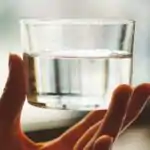
potable water refers to water that is safe for drinking and other uses without causing harm. It is clean and free from harmful substances, often treated to remove impurities and microorganisms.
The characteristics of potable water include:
- Clear appearance
- Absence of odor
- Free from harmful bacteria
- Safe for drinking and cooking
- Tasteless
What is Contaminated Water?
Contaminated water is unsafe for drinking or daily use because it contains harmful substances like germs and chemicals that can cause illness.
The characteristics of contaminated water include:
- Unpleasant odor
- Presence of visible particles
- discoloration
- May contain harmful bacteria or chemicals
- Unsafe for drinking and cooking
Observing Water Samples
Observe different water samples (clean, dirty, muddy) and describe what you see using your senses.
Class Discussion
Discuss the qualities of potable water and why it’s essential. Discuss why contaminated water is harmful.
Labeling Water Samples
Label each water sample as “potable,” “contaminated,” or “dirty” based on observations and discussion.
Teaching Methods
To deliver this lesson, the teacher will adopt the following methods: Discussion, Exhibition, Observation
Instructional Procedures
To deliver this lesson, the teacher will adopt the following steps:
Step 1: Introduction
Time: 5 minutes
Teaching Skill: Set Induction
Teacher’s Activity: Asks pupils about their knowledge of water and its uses. Introduces the topic: Water Quality, Contaminated Water, and Potable Water.
Pupils’ Activity: Respond to teacher’s questions, participate in discussion.
step 2: Description of Key Concepts
Time: 10 minutes
Teaching Skill: Explanation
Teacher’s Activity: Explains and defines potable water and contaminated water, highlighting their differences.
Pupils’ Activity: Listen attentively, take notes.
Step 3: Water Sample Observation
Time: 10 minutes
Teaching Skill: Exhibition
Teacher’s activity: Shows different water samples and guides pupils in observing and describing them using their senses.
Pupils’ Activity: Observe water samples, describe their observations.
step 4: Water Sample Labeling
Time: 5 minutes
Teaching Skill: Independent Practice
teacher’s Activity: Asks pupils to label the water samples as potable, contaminated, or dirty.
Pupils’ activity: Label water samples based on their observations.
Step 5: Note-taking
Time: 5 minutes
Teaching Skill: Note-Taking
Teacher’s Activity: Guides pupils in summarizing key concepts in their notebooks.
Pupils’ Activity: Write notes summarizing the lesson.
Step 6: Evaluation/Review
Time: 5 minutes
Teaching Skill: Questioning
Teacher’s Activity: Asks evaluation questions to assess understanding.
Pupils’ Activity: answer evaluation questions.
Objective-aligned checks:
- Define potable water.
- Define contaminated water.
- Identify the characteristics of potable and contaminated water.
Step 7: Conclusion
Time: 5 minutes
Teaching Skill: Summarizing
Teacher’s activity: Summarizes the key points about potable and contaminated water, emphasizing the importance of using clean water for health and hygiene. Assigns homework.Pupils’ Activity: listen to the summary and note the homework assignment.
Lesson Keywords
- Potable Water – Water that is safe for drinking and other uses.
- contaminated Water – Water that contains harmful substances and is unsafe for use.
- Water Quality – The condition of water, including its chemical, physical, and biological characteristics.
- Impurities – Substances that make water unsafe or unclean.
- Microorganisms – Tiny living things, some of which can cause diseases in contaminated water.
Lesson Evaluation
To evaluate the learning, the teacher asks pupils to:
- What is potable water?
- What is contaminated water?
- Describe a situation where you used clean water.
- Why is it crucial to use clean water?
- What are some ways to prevent water contamination?
Assignment/Homework
- Draw pictures of clean and dirty water.
- List three uses of potable water in your home.
- Explain why it is important to avoid drinking contaminated water.
Differentiation
- For slower learners: Provide one-on-one assistance and simplified explanations.
- For advanced learners: Encourage further research on water purification methods.
- For visual/auditory/kinesthetic learners: Use visual aids, discussions, and hands-on activities to cater to different learning styles.
Note for Teachers
Ensure to have enough water samples for each group of pupils. Supervise the observation activity closely to prevent any accidental ingestion of contaminated water. Emphasize the importance of handwashing after handling the water samples.


Community Join the conversation Open discussion +