

Class: Primary Three
Term: Third Term
Subject: Pre-vocational Studies
Curriculum Theme: Home Economics
Previous Lesson: Cleaning the Toilet and the Bathroom
Topic: Cleaning the Kitchen and Food Store
Content/Learning Area: What is a kitchen?, What is a food store?, Types of Kitchen and Food store, Materials Used For Cleaning, Reasons For Cleaning The Kitchen And Food Store
Time Allocation: 40 minutes
Performance Objectives
By the end of the lesson, pupils should be able to:
- Cognitive Domain:
– Define a kitchen and identify different types of kitchens and food stores.
– explain the importance of keeping the kitchen and food store clean.
– Identify materials used for cleaning the kitchen and food store.
- Affective Domain:
– Appreciate the importance of keeping the kitchen and food store clean.
- Psychomotor Domain:
– Demonstrate the use of materials for cleaning the kitchen and food store.
- Social Domain:
– collaborate with peers to discuss and practice cleaning methods.
Reference Materials
- 9 – Years Basic Education Curriculum
- Abuja Educational Resource Center Scheme of Work
- NAPPS National Unified Scheme of Work
- Relevant Textbooks
Instructional Materials
To deliver this lesson, the teacher will use the following materials: a whiteboard or chart, pictures of different kitchens and food stores, cleaning materials (broom, mop, sponge, detergent, trash bags), and a demonstration area.
Rationale for the Lesson
This lesson is crucial for teaching pupils about hygiene and the importance of maintaining a clean surroundings. Understanding kitchen and food store cleanliness is essential for preventing food contamination and promoting healthy living habits.
Prerequisite/Previous knowledge
The teacher will begin by asking pupils what they know about kitchens and food stores. A brief discussion will follow, leading into the lesson’s topic. The teacher will show pictures of clean and dirty kitchens to highlight the importance of cleanliness.
Lesson Content
What is a Kitchen?
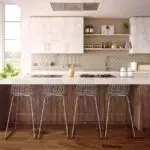
A kitchen is a room in a house where food is prepared. It contains appliances like stoves, sinks, and refrigerators.
what is a Food Store?
A food store is where food items are kept. This could be a pantry or cupboard, used to store items like rice, beans, and canned goods safely and neatly.
Learn more about food storage.
Types of Kitchen and Food Store
Different types of kitchens and food stores exist, each with unique characteristics and purposes.
Kitchens:
These include:
- Customary Kitchens: These often have a classic design with wooden cabinets and traditional appliances.
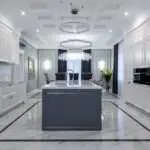
- Modern Kitchens: Modern kitchens are known for their sleek and minimalist designs, often with stainless steel appliances and open shelving.
- Outdoor Kitchens: These are located outside the house, often in a backyard or patio, and are used for cooking and entertaining.
Food stores:
These include:
- Pantry: A dedicated space for storing dry goods, canned goods, and other non-perishable items.
- Cold Storage: Refrigerators and freezers used to keep perishable food fresh.
- Basement Storage: A cool, dark area in the basement used for storing root vegetables, canned goods, and other items that need to be kept at a consistent temperature.
Materials Used For Cleaning
Various materials are essential for maintaining cleanliness in the kitchen and food store.
These include:
- Broom
- Mop
- Detergent
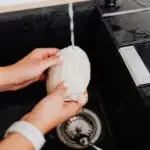
- Sponge
- Trash bags
- Disinfectant
- Scrub brush
Reasons For Cleaning The kitchen And Food Store
Cleaning the kitchen and food store is essential for several reasons, all contributing to a healthier and safer environment.
The following are reasons for cleaning the kitchen and food store:
- Prevents food contamination by removing bacteria.
- Reduces pests like cockroaches and ants.
- Maintains a hygienic environment.
- Ensures safety and prevents accidents.
- Improves the kitchen’s appearance and smell.
- Extends the lifespan of kitchen appliances and equipment.
- Promotes a more organized and efficient cooking space.
Teaching Methods
to deliver this lesson, the teacher will adopt the following methods: demonstration,discussion,and practical activity.
instructional Procedures
To deliver this lesson, the teacher will adopt the following steps:
Step 1: Introduction
Time: 5 minutes
Teaching Skill: Questioning, discussion
Teacher’s Activity: Asks pupils what they know about kitchens and food stores. Shows pictures of clean and dirty kitchens.
Pupils’ Activity: Respond to teacher’s questions and observe the pictures.
Step 2: Explanation of Key Concepts
Time: 10 minutes
Teaching Skill: Explanation, definition
Teacher’s Activity: Explains the definitions of a kitchen and a food store. Describes different types of kitchens and food stores.
Pupils’ Activity: Listen attentively and take notes.
Step 3: Demonstration/Guided practice
Time: 10 minutes
Teaching Skill: Demonstration, guided practice
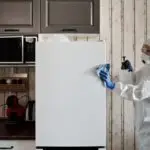
Teacher’s Activity: Demonstrates the proper use of cleaning materials. Guides pupils in practicing cleaning techniques.
Pupils’ Activity: Observe the demonstration and participate in guided practice.
Step 4: Autonomous Practice
Time: 5 minutes
Teaching Skill: Monitoring, feedback
Teacher’s Activity: Supervises pupils as they independently clean a designated area.
Pupils’ activity: Clean the designated area using the learned techniques.
Step 5: Note-Taking
time: 5 minutes
Teaching Skill: Note-taking, summarization
Teacher’s activity: Guides pupils in summarizing key points of the lesson.
Pupils’ activity: Take notes and summarize key points.
Step 6: Evaluation/Review
Time: 5 minutes
Teaching Skill: Questioning, assessment
Teacher’s Activity: Asks review questions to assess pupils’ understanding.
Pupils’ Activity: answer review questions.
step 7: Conclusion
Time: 2 minutes
Teaching Skill: Summarization, encouragement
Teacher’s Activity: Reviews the key points and answers any remaining questions. Praises the pupils for their participation and encourages them to practice the cleaning techniques at home.
Pupils’ Activity: Listen to the summary and ask any remaining questions.
Lesson Keywords
- Kitchen – A room where food is prepared.
- Food Store – A place where food items are kept.
- Hygiene – Practices that maintain health and prevent disease.
- Contamination – The presence of unwanted substances that make something impure or unsafe.
- Detergent – A cleaning agent used to remove dirt and grease.
Lesson Evaluation
To evaluate the learning, the teacher asks pupils to:
- What is a kitchen and what are its main features?
- Name two types of kitchens and describe their differences.
- List three cleaning materials and explain how to use one of them.
- Why is it critically important to keep the kitchen and food store clean?
- Demonstrate how to properly clean a small area using a mop.
Assignment/homework
- List five materials found in your kitchen at home and state their uses.
- Describe the steps you would take to clean your kitchen after preparing a meal.
- Explain why it is important to wash your hands before and after handling food.
Differentiation
- For slower learners: Provide one-on-one assistance and simplified instructions.
- For advanced learners: Challenge them to research different cleaning methods and present their findings to the class.
- For visual/auditory/kinesthetic learners: Use visual aids, verbal explanations, and hands-on activities to cater to different learning styles.
Note for Teachers
Ensure to provide a safe and supportive environment for pupils to practice cleaning techniques.Emphasize the importance of hygiene and cleanliness in preventing the spread of germs and maintaining a healthy lifestyle. Encourage pupils to apply what they have learned at home and in school.
Community Join the conversation Open discussion +