

Class: Primary Three
Term: Third Term
Subject: Pre-vocational Studies
Curriculum Theme: Home Economics
Previous Lesson:
Topic: Cleaning The Bedroom
Content/Learning Area: Importance of a clean bedroom, Steps involved in cleaning a bedroom, Applying knowledge to keep bedroom tidy
Time Allocation: 40 minutes
Performance Objectives
By the end of the lesson, pupils should be able to:
- Cognitive Domain:
1.Understand the importance of keeping a clean bedroom.
2.identify the steps involved in cleaning a bedroom.
- Affective Domain:
1. Appreciate the importance of a clean and organized bedroom.
2. Develop a sense of obligation for maintaining a clean bedroom.
- Psychomotor Domain:
1. Apply the steps of cleaning a bedroom practically.
- Social Domain:
1. Cooperate with others in cleaning activities (if applicable).
Reference Materials
- 9 – years Basic Education Curriculum
- Abuja Educational Resource Center Scheme of Work
- NAPPS National Unified Scheme of Work
- Online Details
- Relevant Textbooks
Instructional Materials
To deliver this lesson, the teacher will use the following materials:
- Whiteboard or chart
- Markers or chalk
- Pictures or illustrations of a clean and dirty bedroom
- Cleaning tools (e.g., broom, dustpan, duster)
Rationale for the Lesson
This lesson teaches pupils essential life skills of maintaining a clean and organized surroundings.A clean bedroom promotes health,safety,and focus,contributing to overall well-being and setting a foundation for responsible habits.
Prerequisite/Previous Knowledge
The teacher will begin by asking pupils to describe their bedrooms. The teacher will then ask what they think makes a bedroom clean and why it’s vital to keep it clean. This will lead into a discussion about the lesson’s topic.
lesson Content
Why Should We Clean Our Bedrooms?
Keeping our bedrooms clean is essential for several reasons, impacting our health, safety, and overall well-being.The following are reasons why we should clean our bedrooms:
- Health: Cleaning removes germs and dust that can cause illness.
- Safety: A clean bedroom prevents accidents from tripping hazards.
- Learning and Focus: A tidy space improves concentration on studies.
- Comfort: A clean bedroom is more relaxing and agreeable.
- Responsibility: Cleaning teaches responsibility for belongings and habitat.
- Allergy Prevention: Regular cleaning reduces allergens like dust mites and pet dander.
- Pest Control: Cleaning prevents pests like rodents and insects from infesting the room.
Steps Involved in Cleaning The Bedroom
Cleaning a bedroom involves several steps to ensure it is tidy, organized, and hygienic. These include:
- Tidy up: Put away toys, books, and clothes. Fold clothes or place dirty clothes in the laundry basket.
- Make the Bed: Straighten sheets and blankets, fluff pillows.
- Dust the Surfaces: Wipe down surfaces like bedside tables and shelves.
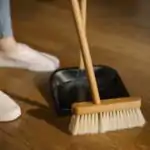
- Sweep or Vacuum the Floor: Sweep or vacuum the floor, especially under furniture.
- Organize Items: Organize desk,drawers,and other areas.
- Empty the Trash: Dispose of any trash.
- Final Touches: Put away remaining items and use room freshener (with adult supervision).
- Clean Windows and Mirrors: wipe windows and mirrors for a clearer view and brighter room.
- Disinfect surfaces: Disinfect frequently touched surfaces like doorknobs and light switches.
Teaching Methods
To deliver this lesson, the teacher will adopt the following methods: Discussion, Presentation, Practical Activity.
Instructional Procedures
To deliver this lesson, the teacher will adopt the following steps:
Step 1: introduction (Set Induction)
Time: 5 minutes
teaching Skill: Questioning, Discussion
Teacher’s Activity: Engage pupils in a discussion about bedrooms and cleanliness.
Pupils’ Activity: Participate in the discussion, sharing their ideas.
Step 2: Clarification of Key Concepts
Time: 10 minutes
Teaching Skill: Description, Demonstration
Teacher’s Activity: Explain the importance of a clean bedroom and the steps involved in cleaning it.
Pupils’ Activity: listen attentively, ask clarifying questions.
Step 3: Demonstration/Guided Practice
Time: 10 minutes
Teaching Skill: demonstration, modeling
Teacher’s Activity: Demonstrate the steps of cleaning a bedroom using the instructional materials.
Pupils’ Activity: Observe the demonstration, participate in guided practice.
Step 4: Independent practice
Time: 5 minutes
Teaching Skill: Monitoring, Feedback
Teacher’s Activity: Supervise pupils as they clean a designated area.Pupils’ Activity: Independently apply the cleaning steps.
Step 5: Note-Taking
Time: 5 minutes
Teaching Skill: Note-taking,Summarizing
Teacher’s Activity: Guide pupils in summarizing key points.
Pupils’ Activity: Take notes on the key steps of cleaning a bedroom.
Step 6: Evaluation/Review
Time: 5 minutes
Teaching Skill: Questioning, Feedback
Teacher’s Activity: Ask questions to assess understanding.
Pupils’ Activity: Answer questions, participate in review.
Step 7: Conclusion
Time: 2 minutes
Teaching Skill: summarizing, Encouragement
Teacher’s activity: Summarize the key steps in cleaning a bedroom and emphasize the importance of maintaining a clean and organized space. Commend pupils for their participation and encourage them to apply what they have learned at home.
Pupils’ Activity: Listen attentively and ask any remaining questions.
Lesson Keywords
- Cleanliness – The state of being free from dirt, stains, or impurities.
- hygiene – Practices conducive to maintaining health and preventing disease, especially through cleanliness.
- Tidy – Arranged neatly and in order.
- Dusting – The act of removing dust from a surface.
- Organize – Arrange systematically; order.
Lesson Evaluation
To evaluate the learning, the teacher asks pupils to:
- What are two health benefits of a clean bedroom?
- Why is it critically vital to keep the floor clear?
- How does a clean bedroom help with homework?
- Name one way to keep your bedroom clean.
- What makes a bedroom more comfortable?
assignment/Homework
- Clean your bedroom following the steps learned in class.
- Make a list of items you need to organize in your bedroom.
- Write a short paragraph on why it is important to keep your bedroom clean.
Differentiation
- For slower learners: Provide one-on-one assistance and break down the cleaning steps into smaller, more manageable tasks.
- For advanced learners: Encourage them to develop their own cleaning schedules and strategies.
- For visual/auditory/kinesthetic learners: Use visual aids, verbal instructions, and hands-on activities to cater to different learning styles.
Note for Teachers
Ensure that pupils understand the importance of each step in cleaning the bedroom. Emphasize the health and safety benefits of a clean environment.Encourage pupils to take responsibility for maintaining their personal spaces.



Community Join the conversation Open discussion +