

Class: Primary 3
Term: 1st Term
Week: 2
Age: 8 years
Duration: 40 minutes
Subject: Pre Vocational Studies
Curriculum Theme: Home Economics
Previous Lesson: Meaning Of Grooming And Care Of The Body
Topic: Maintenance Of Body Hygiene
Content/Learning Area: Maintenance of body hygiene, Reasons for daily care of the body, The uses of bathing or washing materials…
Performance Objectives
By the end of the lesson, pupils should be able to:
- Cognitive Domain: Explain the meaning of body hygiene and why it is important.
- Affective Domain: Show interest in keeping themselves neat and clean every day.
- Psychomotor Domain: Identify and demonstrate the proper use of bathing and washing materials.
- Social Domain: Cooperate with classmates in group discussions on personal cleanliness.
Reference Materials
The following resources were used in planning this lesson:
- 9 Years Basic Education Curriculum
- Abuja Educational Resource Centre Scheme of Work
- NAPPS National Unified Scheme of Work
- Online information from: Britannica – Human disease – Prevention, Diagnosis, Treatment
- Relevant Textbooks
Instructional Materials
The teacher will teach this lesson with the aid of:
- Chart showing bathing and washing materials
- Pictures of neat and untidy children
- Real samples of soap, sponge, toothbrush, towel, and comb
- Flash cards showing daily hygiene practices
- Whiteboard and markers
Rationale for the Lesson
Personal hygiene helps pupils stay healthy, avoid diseases, and look presentable in school and at home.
Prerequisite/Previous Knowledge
Pupils are already familiar with using soap, water, and towel when bathing and brushing their teeth every morning.
Lesson Content
Maintenance of Body Hygiene
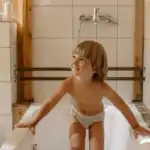
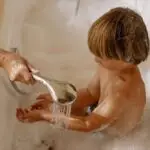
Body hygiene means keeping the body clean every day. It involves bathing, brushing, and wearing clean clothes to stay healthy and fresh.
Reasons for Daily Care of the Body
Taking care of the body every day is very important. The following are reasons for daily care of the body:
- To prevent body odor
- To avoid skin infections
- To stay healthy and strong
- To look neat and attractive
- To feel fresh and comfortable
- To stop germs from spreading
Bathing and Washing Materials
To stay clean, we use different materials for bathing and washing. These include:
- Soap
- Sponge
- Water
- Towel
- Toothbrush
- Toothpaste
- Comb
- Bucket
- Bowl
A Simple Body-Hygiene Routine
Wash the body regularly, clean behind the ears and between toes, dry skin folds, wear clean clothes and keep nails short and clean. Wash hands before eating and after toilet use, play with soil or contact with waste.
Personal items such as towels, razors and toothbrushes should not be shared. Good hygiene controls dirt and germs but excessive scrubbing or unknown chemicals can injure the skin.
Teaching Methods
Discussion, Lecture, Storytelling, Explanation, Visual Aids, Group Work
Instructional Procedures
To deliver this lesson, the teacher will adopt the following steps:
Step 1: Introduction
Time: 5 mins
Teaching Skill: Set Induction
Teacher’s Activity: Teacher asks pupils if they bathed before coming to school and narrates a short story of a boy who refused to bathe and became sick.
Pupils’ Activity: Pupils listen and respond to teacher’s questions.
Learning Point: Pupils become interested in learning about body hygiene.
Step 2: Meaning of Body Hygiene
Time: 7 mins
Teaching Skill: Explanation
Teacher’s Activity: Teacher explains what body hygiene means and writes the definition on the board.
Pupils’ Activity: Pupils listen, copy notes, and repeat after the teacher.
Learning Point: Pupils understand the meaning of body hygiene.
Step 3: Reasons for Daily Care
Time: 7 mins
Teaching Skill: Discussion
Teacher’s Activity: Teacher explains why it is important to care for the body daily and lists the reasons.
Pupils’ Activity: Pupils discuss and give examples of why they keep clean.
Learning Point: Pupils learn the importance of daily body care.
Step 4: Bathing and Washing Materials
Time: 8 mins
Teaching Skill: Demonstration
Teacher’s Activity: Teacher displays soap, sponge, toothbrush, and towel, and explains how they are used.
Pupils’ Activity: Pupils identify the materials and demonstrate their uses.
Learning Point: Pupils recognize common hygiene materials and their uses.
Step 5: Group Activity
Time: 5 mins
Teaching Skill: Group Work
Teacher’s Activity: Teacher divides class into groups to list items they use at home to keep clean.
Pupils’ Activity: Pupils work together and share their answers.
Learning Point: Pupils develop teamwork and recall hygiene items.
Step 6: Note Taking
Time: 3 mins
Teaching Skill: Reinforcement
Teacher’s Activity: Teacher dictates short class notes for pupils to copy.
Pupils’ Activity: Pupils copy notes neatly into their books.
Learning Point: Pupils record key points on hygiene.
Step 7: Evaluation
Time: 3 mins
Teaching Skill: Questioning
Teacher’s Activity: Teacher asks pupils oral and written questions to test understanding.
Pupils’ Activity: Pupils respond to questions individually.
Learning Point: Pupils show understanding of lesson objectives.
Objective-aligned checks:
- Explain the meaning of body hygiene and why it is important.
- Identify and demonstrate the proper use of bathing and washing materials.
Step 8: Closure/Conclusion
Time: 2 mins
Teaching Skill: Instructional, Cognitive, Social
Teacher’s Activity: Teacher summarizes the lesson, praises neat pupils, and encourages everyone to stay clean daily.
Pupils’ Activity: Pupils listen, ask questions, and clap.
Learning Point: Pupils are motivated to always keep clean.
Lesson Keywords
- Hygiene: Keeping the body clean
- Soap: A material used to wash the body
- Toothbrush: A tool for cleaning the teeth
- Towel: A cloth used to dry the body after bathing
- Germs: Tiny living things that cause sickness
Lesson Evaluation
To evaluate the learning, the teacher asks pupils to:
- Define body hygiene.
- Mention three reasons why we should care for the body daily.
- List four materials used for bathing and washing.
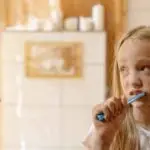
- Demonstrate how to use a toothbrush.
- Say one effect of not bathing regularly.
Differentiation
The teacher will support slower learners with picture aids and peer explanation, while faster learners will be asked to give more examples of hygiene practices.
Note for teachers using this lesson plan
Ensure pupils practice the hygiene activities at home and give them simple hygiene assignments like brushing twice daily and washing hands before meals.

Community Join the conversation Open discussion +