

Class: Primary Three
Term: Second Term
Subject: Pre-vocational Studies
Curriculum Theme: Home Economics
Previous Lesson: Care of Rooms in the House
Topic: Care of Rooms
Content/Learning Area: What is cleanliness?, Cleaning tools, Cleaning Agents, Importance of Cleanliness
Time Allocation: (Time allocation needs to be added here)
Performance Objectives
By the end of the lesson, pupils should be able to:
- Cognitive Domain:
1. List seven items or tools for cleaning rooms.2. Explain the importance of cleanliness in the home.
3.Identify and understand various cleaning items.
- Psychomotor Domain:
1. Demonstrate the proper use of cleaning tools (e.g., broom, mop).
- Affective Domain:
1. Appreciate the importance of maintaining a clean and organized environment.
2. Develop a sense of obligation towards keeping their rooms clean.
- Social Domain:
1. cooperate with others in cleaning activities.
Reference Materials
- 9 – years Basic Education Curriculum
- Abuja Educational Resource Center Scheme of Work
- NAPPS National Unified Scheme of Work
- Relevant Textbooks
instructional Materials
To deliver this lesson, the teacher will use the following materials:
- Broom
- Mop
- Dustpan
- Bucket
- Cleaning Cloths
- Scrub Brush
- Vacuum Cleaner (if available)
- Pictures/Charts of cleaning tools and agents
- Whiteboard or chart paper
- Markers or pens
Rationale for the Lesson
this lesson teaches pupils essential life skills related to maintaining a clean and healthy living space. understanding cleanliness is crucial for personal hygiene and overall well-being, contributing to a positive learning environment and responsible citizenship.
prerequisite/Previous Knowledge
The teacher will begin by asking pupils about their rooms and what they do to keep them clean. A brief discussion about the importance of a clean environment will follow, leading into the lesson’s topic.
lesson Content
What is Cleanliness?
Cleanliness means being free from dirt, dust, and germs. It’s about keeping our surroundings neat and organized.
Cleaning Tools
cleaning tools are implements used to facilitate the process of cleaning and maintaining hygiene in various environments.
The following are examples of cleaning tools:
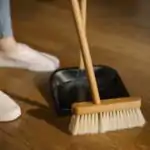
- Broom: Used for sweeping floors.
- Mop: Used for mopping floors.
- Dustpan: Used to collect dust and dirt.
- Bucket: Used for carrying water or cleaning solutions.
- Cleaning Cloths: Used for wiping surfaces.
- Scrub Brush: Used for scrubbing stubborn stains.
- Vacuum Cleaner: Used for sucking up dust and dirt (if available).
- Squeegee: Used for cleaning windows and smooth surfaces.
- Sponges: Used for wiping and scrubbing surfaces.
These tools help us keep our rooms clean.
Cleaning Agents
Cleaning agents are substances used to remove dirt, stains, and other unwanted materials from surfaces.
These include:
- Soap: For washing dishes, hands, and surfaces.
- Detergent: For cleaning clothes,floors,and other surfaces.
- Bleach: For disinfecting and whitening (use with adult supervision).
- Vinegar: For cleaning windows and mirrors.
- Disinfectant: For killing germs on surfaces.
- All-Purpose Cleaner: For general cleaning tasks.
Importance of Cleanliness
Cleanliness is essential for maintaining health, safety, and overall well-being in our living spaces.
The following are reasons why cleanliness is notable:
- Stay Healthy: Cleaning helps prevent germs and sickness.
- Safe Spaces: A clean environment prevents accidents.
- Better Learning: Clean classrooms help us focus on lessons.
- Taking Care: Cleaning teaches us to respect our belongings and shared spaces.
- Prevents the Spread of Diseases: Regular cleaning reduces the risk of infections.
- Enhances Air Quality: Removing dust and allergens improves breathing.
Keeping our rooms clean is important for many reasons.
Teaching methods
To deliver this lesson, the teacher will adopt the following methods: Discussion, Exhibition, Question and Answer.
Instructional Procedures
To deliver this lesson, the teacher will adopt the following steps:
Step 1: Introduction
Time: 5 minutes
Teaching Skill: Set Induction
Teacher’s Activity: Engage students in a brief discussion about cleanliness and its importance.
Pupils’ Activity: Participate in the discussion,sharing their experiences and ideas.
Step 2: Description of Key Concepts
Time: 10 minutes
Teaching Skill: Explanation, Definition
Teacher’s Activity: Define cleanliness and explain its significance. Introduce cleaning tools and agents.
pupils’ Activity: Listen attentively,ask clarifying questions.
Step 3: Demonstration/Guided Practise
Time: 15 minutes
Teaching Skill: Demonstration, guided Practice
Teacher’s Activity: Demonstrate the proper use of cleaning tools. Guide pupils in practicing using the tools.
Pupils’ Activity: Observe the demonstration, participate in guided practice.
Step 4: Autonomous Practice
Time: 10 minutes
Teaching skill: Monitoring, Feedback
Teacher’s Activity: Supervise pupils as they independently practice cleaning techniques.
Pupils’ Activity: Practice cleaning techniques independently.
Step 5: Note-Taking
Time: 5 minutes
Teaching Skill: Note-taking
Teacher’s Activity: Guide pupils in taking notes on key concepts and cleaning methods.
Pupils’ Activity: take notes on key concepts and cleaning methods.
Step 6: Evaluation/Review
Time: 10 minutes
Teaching Skill: Questioning, feedback
Teacher’s Activity: ask review questions to assess understanding.
Pupils’ Activity: Answer review questions.
Objective-aligned checks:
- List seven items or tools for cleaning rooms.
- Explain the importance of cleanliness in the home.
- Identify and understand various cleaning items.
Step 7: Conclusion
Time: 5 minutes
Teaching Skill: Summarizing, Reinforcement
Teacher’s Activity: Summarize the lesson, reinforcing key concepts.
Pupils’ Activity: Listen attentively.
Lesson Keywords
- Cleanliness – The state of being free from dirt, stains, or impurities.
- Tools – Instruments or devices used to perform a task.
- Agents – Substances used for cleaning.
- Hygiene – Practices that maintain health and prevent disease.
- Disinfect – To clean something with a substance that kills germs.
Lesson Evaluation
To evaluate the learning,the teacher asks pupils to:
- Name three cleaning tools.
- Why is it critically important to keep our rooms clean?
- What are two common cleaning agents?
- How do we use a broom?
- Why is a clean classroom important for learning?
assignment/Homework
- List five cleaning tools found at home.
- Explain why cleanliness is critically important for health.
- Describe how to use a mop to clean a floor.
Differentiation
- For slower learners: Provide one-on-one assistance and use simpler language.
- For advanced learners: Challenge with additional research tasks on different cleaning methods or eco-amiable cleaning products.
- For visual/auditory/kinesthetic learners: Use visual aids, verbal explanations, and hands-on activities to cater to different learning styles.
Note for Teachers
Encourage pupils to practice cleanliness at home and in school.Emphasize the importance of hygiene for preventing the spread of diseases.Provide practical demonstrations and hands-on activities to reinforce learning.

Community Join the conversation Open discussion +