

Class: Primary Two
Term: Second Term
Subject: Cultural & Creative Arts
Curriculum Theme:
Previous Lesson: Meaning and Uses of Traditional Dance
Topic: Customary Dance
Content/Learning Area: recognizing and naming traditional dances, appreciating cultural significance, demonstrating basic movements, participating in group dance activities
Time Allocation: 40 minutes
Performance Objectives
By the end of the lesson, pupils should be able to:
- Cognitive Domain:
– Recognize and name two special traditional dances in Nigeria.
– Appreciate the cultural significance of Gbagi and Atilogwu dances.
- Affective Domain:
– Show interest and enthusiasm in learning about traditional dances.
- Psychomotor Domain:
– Demonstrate basic movements of Gbagi and Atilogwu dances.
- Social Domain:
– Participate in group dance activities, fostering teamwork.
Reference Materials
- 9 – Years Basic education Curriculum
- Abuja Educational Resource Center Scheme of Work
- NAPPS National Unified Scheme of Work
- Relevant Textbooks
Instructional Materials
To deliver this lesson, the teacher will use the following materials:
- Whiteboard or chart
- Markers or chalk
- Pictures or videos of Gbagi and Atilogwu dances
- Music player
rationale for the Lesson
This lesson is crucial for pupils to understand and appreciate their cultural heritage. Learning about traditional dances helps them connect with their roots and fosters a sense of identity and pride. It also promotes physical activity and teamwork.
Prerequisite/Previous Knowledge
The teacher will start by asking pupils what they no about dance and if they have seen any traditional dances before. The teacher will then introduce the topic of traditional dances in Nigeria,emphasizing their importance in culture and heritage.
Lesson Content
Special Traditional Dances in Nigeria
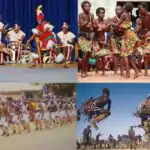
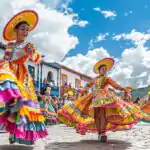
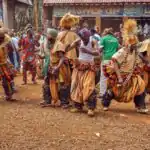
Traditional dances are a vital part of our culture. They tell stories, celebrate events, and help us connect with our heritage. Some special traditional dances in Nigeria include:
- ##### Gbagi Dance
Originating from the Middle Belt region, Gbagi dance is known for it’s lively and rhythmic movements, often performed during celebrations and social events.
- ##### atilogwu Dance
Atilogwu is a high-energy dance originating from the Igbo people. it involves intricate footwork, acrobatics, and vibrant costumes, making it a popular dance during festivals.
- ##### bata Dance
Bata dance is prominent among the Yoruba people, featuring rhythmic drumming and intricate footwork. It is indeed often performed during ceremonies and festivities.
- ##### Sokoto Dance
Sokoto dance,also known as the “Shai,” is a traditional dance of the Hausa people. It is characterized by graceful movements and is often performed during weddings and cultural events in the northern region.
- ##### Koroso Dance
Koroso dance is a traditional dance of the Hausa people of Northern Nigeria, often performed during celebrations and festivals. It features rhythmic movements and is accompanied by traditional music.
- ##### Swange Dance
Swange dance is a popular dance among the Tiv people of Benue State. It is indeed characterized by energetic movements and is often performed during social gatherings and cultural events.
Teaching Methods
To deliver this lesson, the teacher will adopt the following methods: Discussion, Exhibition, guided practice, Group activity
Instructional Procedures
To deliver this lesson, the teacher will adopt the following steps:
Step 1: Introduction
Time: 5 minutes
Teaching Skill: set Induction
Teacher’s Activity: Introduces the topic of traditional dances, asks pupils about their prior knowledge of dance.
Pupils’ Activity: Respond to teacher’s questions, share their experiences with dance.
Step 2: Description of Key Concepts
Time: 10 minutes
Teaching Skill: Explaining, illustrating
Teacher’s Activity: Explains the concept of traditional dance, its cultural significance, and introduces Gbagi and Atilogwu dances using pictures or videos.
Pupils’ Activity: Listen attentively, ask clarifying questions.
Step 3: Demonstration/Guided Practice
Time: 15 minutes
Teaching Skill: Demonstrating, guiding
Teacher’s Activity: Demonstrates basic movements of Gbagi and Atilogwu dances. Guides pupils in practicing the movements.
Pupils’ Activity: Observe the demonstration, practice the movements under teacher’s guidance.
Step 4: Independent Practice
Time: 5 minutes
Teaching Skill: monitoring, providing feedback
Teacher’s Activity: Allows pupils to practice the dances independently, provides feedback and assistance.
Pupils’ Activity: Practice the dances independently,seek assistance when needed.
step 5: Note-Taking
Time: 2 minutes
Teaching Skill: Summarizing, note-taking
Teacher’s Activity: Summarizes the key points of the lesson.
Pupils’ Activity: Take notes on the key points.
Step 6: Evaluation/Review
Time: 3 minutes
Teaching Skill: Questioning, assessing
Teacher’s Activity: Asks evaluation questions to assess pupils’ understanding.
pupils’ Activity: Answer the evaluation questions.
Step 7: Conclusion
Time: 2 minutes
Teaching Skill: Summarizing, concluding
Teacher’s Activity: Reviews the key points learned and encourages pupils to continue practicing the dances and learning about other traditional dances from different parts of Nigeria.
Pupils’ Activity: Listen attentively and ask any remaining questions.
Lesson Keywords
- Traditional Dance – A dance that reflects the cultural traditions of a particular group of people.
- Gbagi Dance – A lively and rhythmic dance from the Middle Belt region of Nigeria.
- Atilogwu Dance – A high-energy dance from the Igbo people, known for its acrobatics and vibrant costumes.
- Bata Dance – A dance from the Yoruba people, featuring rhythmic drumming and intricate footwork.
- Sokoto Dance – A traditional dance of the hausa people, characterized by graceful movements.
lesson Evaluation
To evaluate the learning, the teacher asks pupils to:
- Name two traditional dances we learned about today.
- where does the Gbagi dance come from?
- Describe one thing that makes the Atilogwu dance special.
- Why are traditional dances crucial?
Assignment/Homework
- Research another traditional dance from Nigeria and write a short paragraph about it.
- Practice the basic movements of the Gbagi or atilogwu dance at home.
Differentiation
- For slower learners: The teacher will provide one-on-one assistance and break down the dance movements into smaller, simpler steps.
- For advanced learners: The teacher will encourage them to create their own variations of the dances.
- For visual learners: Use videos and pictures to demonstrate the dances.
- For auditory learners: Play music and explain the rhythms of the dances.
- For kinesthetic learners: Allow them to move and practice the dances frequently.
Note for Teachers
Ensure to have visual aids ready and music prepared before the lesson. Encourage pupils to participate actively and provide positive feedback to build their confidence.

Community Join the conversation Open discussion +