

Class: Primary Two
Term: Third Term
Subject: Cultural & Creative Arts
Topic: Conventional Festivals
Previous Lesson: Things Associated With Festivals
content/Learning Area: Importance and Value Derived from Carnivals or festivals,What are Traditional Festivals?
Time allocation: 40 minutes
Performance Objectives
by the end of the lesson,pupils should be able to:
- Cognitive Domain:
1. Explain the importance of traditional festivals.
2. Identify the cultural importance of festivals.
- Affective Domain:
1. Show appreciation for the cultural significance of festivals.
- Psychomotor Domain:
1. Participate actively in group discussions about festivals.
- Social Domain:
1. Engage respectfully in group discussions.
Reference Materials
- 9 – Years Basic Education Curriculum
- abuja Educational Resource Center Scheme of Work
- NAPPS National unified Scheme of work
- Relevant textbooks
Instructional Materials
To deliver this lesson, the teacher will use the following materials:
- Whiteboard or chart paper
- Markers or crayons
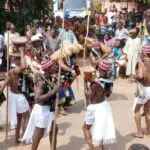
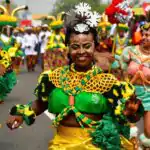
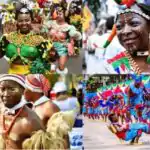
- Pictures of different traditional festivals
Rationale for the Lesson
Understanding traditional festivals helps pupils appreciate their cultural heritage and fosters a sense of community and belonging. This knowledge is valuable for their personal growth and understanding of diverse cultures.
Prerequisite/Previous Knowledge
Pupils have likely attended or heard about local festivals.
Lesson Content
What are Traditional Festivals?
Traditional festivals are special events celebrated by communities to honor their culture, heritage, and history. These festivals often include music, dance, food, and various forms of art. Learn more about the meaning and examples of traditional festivals.
Importance and Value Derived from Carnivals or Festivals:
Carnivals and festivals offer numerous benefits to communities and individuals, fostering cultural pride, social cohesion, and economic growth. The following are some of the importance and values derived from carnivals or festivals:
- Cultural Preservation: Festivals keep traditions alive by passing them down through generations. They ensure that cultural practices,stories,and art forms are not forgotten.
- Community Bonding: Festivals bring people together, creating a sense of belonging. they provide opportunities for people to interact, share experiences, and strengthen community ties.
- educational Value: Festivals teach younger generations about traditions and history. They offer hands-on learning experiences that complement formal education.
- Economic Benefits: Festivals can boost local economies through tourism. They attract visitors who spend money on accommodation, food, and souvenirs, supporting local businesses.
- Entertainment: Festivals provide enjoyment and entertainment for everyone. They offer a break from routine and a chance to celebrate life and culture.
- Promotion of Arts and crafts: Festivals often showcase local arts and crafts,providing artisans with a platform to display and sell their work. This helps to preserve traditional skills and promote creativity.
- social Cohesion: By bringing diverse groups together, festivals promote understanding and tolerance. They help to bridge cultural divides and foster a sense of unity.
- Spiritual Significance: Many festivals have religious or spiritual roots, providing opportunities for reflection and worship. They reinforce moral values and strengthen faith.
Teaching Methods
To deliver this lesson, the teacher will adopt the following methods: Discussion, Question and answer, Show and tell.
instructional Procedures
To deliver this lesson,the teacher will adopt the following steps:
Step 1: Introduction
Time: 5 minutes
teaching Skill: Set Induction
Teacher’s activity: Asks pupils about their experiences with festivals.
Pupils’ Activity: Share their experiences.
Step 2: Explanation of Key Concepts
Time: 10 minutes
Teaching Skill: Explaining
Teacher’s Activity: explains what traditional festivals are and their significance.
pupils’ Activity: Listen attentively and ask questions.
Step 3: Presentation/Guided Practice
Time: 10 minutes
Teaching Skill: Demonstrating
Teacher’s Activity: Shows pictures of different festivals and discusses their cultural aspects.
Pupils’ Activity: Observe and participate in discussions.
Step 4: Self-Reliant Practice
Time: 5 minutes
Teaching Skill: Facilitating
Teacher’s Activity: Guides pupils in group discussions about festivals.
Pupils’ Activity: Participate in group discussions.
Step 5: Note-Taking
Time: 5 minutes
Teaching Skill: Note-taking
Teacher’s Activity: Summarizes key points on the board.
Pupils’ Activity: Take notes.
Step 6: Evaluation/Review
Time: 5 minutes
Teaching Skill: Questioning
Teacher’s Activity: Asks review questions.
Pupils’ Activity: Answer questions.
Objective-aligned checks:
- Explain the importance of traditional festivals.
- Identify the cultural importance of festivals.
- Show appreciation for the cultural significance of festivals.
Step 7: Conclusion
Time: 2 minutes
Teaching Skill: summarizing
Teacher’s Activity: Summarizes the lesson.
Pupils’ Activity: Listen attentively.
Lesson Keywords
- Traditional Festivals – Special events celebrating culture and heritage.
- Cultural Preservation – Keeping traditions alive through generations.
- Community Bonding – Bringing people together to create a sense of belonging.
- Economic Benefits – Boosting local economies through tourism.
Lesson Evaluation
to evaluate the learning, the teacher asks pupils to:
- What is a traditional festival?
- Name two benefits of attending festivals.
- How do festivals help preserve culture?
- Describe your favorite part of a festival.
- Name some traditional festivals in your community.
Assignment/Homework
- Ask your parents or grandparents about a traditional festival they remember.
- Draw a picture of your favorite part of a festival.
- Write a short paragraph about why festivals are importent.
Differentiation
- For slower learners: Provide one-on-one assistance and simplified explanations.
- For advanced learners: encourage them to research and present on a specific festival.
- For visual/auditory/kinesthetic learners: Use pictures, songs, and activities that involve movement to engage different learning styles.
Note for Teachers
Ensure to use visual aids and real-life examples to make the lesson engaging. Encourage pupils to share their personal experiences and ask questions to foster a deeper understanding of the topic.

Community Join the conversation Open discussion +