

Class: Primary Two
Term: Third Term
Subject: Cultural & Creative Arts
Topic: Conventional Festivals
Previous Lesson: Meaning, Examples and Importance of Traditional Festivals in Nigeria
Content/Learning area: Defining customary festivals, Listing examples of traditional festivals, Expressing gratitude for cultural heritage
Time Allocation: 40 minutes
Performance Objectives
By the end of the lesson, pupils should be able to:
- Cognitive Domain:
1. Define traditional festivals.2.List three examples of traditional festivals.
- Affective Domain:
1. Express thankfulness for cultural heritage by discussing their favorite traditional festival.
- Psychomotor Domain:
1. Participate actively in class discussions about traditional festivals.
- Social Domain:
1. Work collaboratively with peers during group activities.
Reference Materials
- 9 – Years Basic Education Curriculum
- Abuja Educational Resource Center Scheme of Work
- NAPPS National Unified Scheme of Work
- Relevant Textbooks
Instructional Materials
To deliver this lesson, the teacher will use the following materials:
- Whiteboard or chart paper
- markers or crayons
- Pictures or videos of traditional festivals
Rationale for the Lesson
Understanding traditional festivals helps pupils appreciate their cultural heritage and fosters a sense of belonging and identity, contributing to a broader understanding of history and societal values.
Prerequisite/Previous Knowledge
The teacher will begin by asking pupils to share any festivals they have celebrated or witnessed, sparking a discussion about celebrations and their significance.This will lead into a discussion about what makes a festival “traditional”.
Lesson Content
Traditional Festivals
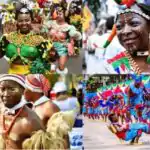
Traditional festivals are special events celebrated by communities to honor their cultural heritage.These festivals frequently include music, dance, food, and traditional clothing. They are a way for people to connect with their past, celebrate their present, and look forward to the future.
What are Traditional Festivals?
Traditional festivals are celebrations passed down through generations. They are often rooted in religious beliefs, ancient events, or agricultural cycles.
Examples of Traditional Festivals
Traditional festivals are a vital part of Nigerian culture,showcasing the diversity and heritage of its people.
The following are examples of traditional festivals:
- New Yam Festival: Celebrated in many parts of Nigeria, especially in Igbo and yoruba cultures. It marks the end of the harvest season and is a time to give thanks for a bountiful harvest. The festival is usually celebrated with feasts, dancing, and music.
- durbar Festival: Celebrated in Northern Nigeria, especially in the Hausa and Fulani cultures. it is indeed a grand parade of horsemen, dancers, and musicians. The Durbar Festival is a celebration of the Emir’s power and authority.
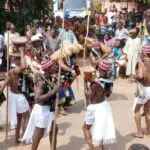
- Eyo Festival: Celebrated in Lagos State, Nigeria. It is a colorful and vibrant festival that features masked dancers and musicians. The Eyo Festival is a celebration of the Yoruba culture and its rich history.
- Igue Festival: Celebrated by the Edo people in benin City,Nigeria. It is indeed a celebration of the new year and is a time for people to renew their commitment to their community. The festival is usually celebrated with feasts, dancing, and music.
- Ofala Festival: Celebrated by the Igbo people in Anambra State, Nigeria. It is a celebration of the king and his authority. The Ofala Festival is usually celebrated with feasts, dancing, and music.
Teaching Methods
To deliver this lesson, the teacher will adopt the following methods: Discussion, question and answer, Visual aids
Instructional Procedures
To deliver this lesson, the teacher will adopt the following steps:
Step 1: Introduction
Time: 5 minutes
Teaching Skill: Set Induction
teacher’s Activity: Asks pupils to share any festivals they know.
Pupils’ Activity: Share their knowledge of festivals.
Step 2: Clarification of Key concepts
Time: 10 minutes
Teaching Skill: Explaining
Teacher’s Activity: Defines traditional festivals and explains their significance.
Pupils’ Activity: Listen attentively and ask clarifying questions.
Step 3: Exhibition/Guided Practice
Time: 10 minutes
Teaching Skill: Modeling
Teacher’s Activity: Shows pictures or videos of different traditional festivals, highlighting key features.
Pupils’ Activity: Observe and identify common elements in the festivals.
Step 4: Autonomous Practice
Time: 5 minutes
Teaching Skill: Monitoring
Teacher’s Activity: Guides pupils in listing examples of traditional festivals.
pupils’ Activity: List examples of traditional festivals.
Step 5: Note-Taking
Time: 5 minutes
Teaching Skill: Note-taking
Teacher’s Activity: Guides pupils in taking notes on key concepts.
Pupils’ Activity: Take notes on key concepts.
Step 6: Evaluation/Review
Time: 5 minutes
Teaching Skill: Questioning
Teacher’s Activity: Asks review questions to assess understanding.
Pupils’ Activity: Answer review questions.
Objective-aligned checks:
- Define traditional festivals.
- List three examples of traditional festivals.
Step 7: Conclusion
Time: 5 minutes
Teaching Skill: Summarizing
Teacher’s Activity: Summarizes the key points about traditional festivals.
Pupils’ Activity: Listen to the summary and share their favorite aspects of the festivals discussed.
Lesson Keywords
- Traditional Festivals – Special events celebrated by communities to honor their cultural heritage.
- Cultural Heritage – The customs, traditions, and beliefs of a community passed down through generations.
- Celebration – A joyous occasion for festivities to mark a special event.
- New Yam Festival – A harvest festival celebrated in Igbo and Yoruba cultures.
- Durbar Festival – A grand parade of horsemen, dancers, and musicians in Northern Nigeria.
- Eyo Festival – A colorful festival in Lagos featuring masked dancers and musicians.
- Igue Festival – A celebration of the new year by the Edo people in Benin City.
- Ofala Festival – A celebration of the king and his authority by the Igbo people in Anambra State.
Lesson Evaluation
To evaluate the learning, the teacher asks pupils to:
- What are traditional festivals?
- Name three examples of traditional festivals in Nigeria.
- What is your favorite traditional festival and why?
- What are some of the activities that take place during traditional festivals?
- Why are traditional festivals crucial?
Assignment/Homework
- research and write a short paragraph about a traditional festival in your community.
- Draw a picture of your favorite traditional festival.
Differentiation
- For slower learners: Provide one-on-one assistance and simplified explanations.
- For advanced learners: Encourage them to research and present on additional traditional festivals.
- For visual/auditory/kinesthetic learners: Use visual aids, discussions, and hands-on activities to cater to different learning styles.
Note for Teachers
Ensure to use visual aids and real-life examples to make the lesson engaging and relatable for the pupils. Encourage active participation and create a supportive learning environment.

Community Join the conversation Open discussion +