

Class: Primary Two
Term: First Term
Subject: cultural & Creative Arts
Topic: Designing Pattern Form Basic Shapes
Previous Lesson: Drawing And Painting Shaped Objects Of Different Sizes
Content/Learning Area: Defining patterns and designs, Identifying patterns and designs on various items, creating their own basic shape patterns
Time Allocation: 40 minutes
Performance Objectives
By the end of the lesson, pupils should be able to:
- Cognitive Domain:
1. Define patterns and designs.
2. Identify different types of patterns (geometric, floral, abstract).
3. explain how basic shapes can be used to create patterns.
- Psychomotor Domain:
1. Create basic shape patterns using squares, circles, and triangles.
2. Arrange shapes in different ways to create various patterns (e.g., grid, spiral).
- Affective Domain:
1. Show interest in identifying and creating patterns.
2. Appreciate the presence of patterns in everyday life.
- Social Domain:
1.Work cooperatively with peers during activities.
2. Share ideas and creations with classmates.
Reference Materials
- 9 – Years Basic Education Curriculum
- Abuja educational Resource Center scheme of Work
- NAPPS National Unified Scheme of Work
- Relevant Textbooks
Instructional Materials
To deliver this lesson, the teacher will use the following materials:
- Chart showing examples of patterns
- Colored construction paper
- Scissors
- Glue
- Markers or crayons
rationale for the Lesson
Understanding patterns and designs is crucial for developing creativity and problem-solving skills. This lesson provides a foundation for future art projects and appreciation of design in various aspects of life.
Prerequisite/Previous Knowledge
The teacher will begin by asking pupils to identify patterns they see in the classroom or on their clothes. A brief discussion will follow, leading into the lesson’s topic.
Lesson Content
Designing Pattern Form Basic Shapes
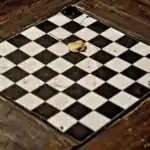
Patterns and designs are shapes and colors arranged in a specific way. We see them on clothes, bedsheets, and many other things.
What are Patterns And Designs?
Patterns and designs are created by arranging shapes and colors in a specific order. They are found everywhere!
Types of Patterns
Patterns can be categorized based on their characteristics and the elements they incorporate.These include:
The following are types of patterns:
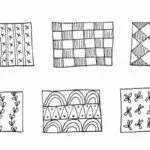
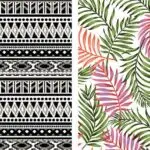
- Geometric patterns: These use shapes like squares, circles, triangles, and rectangles.
- Floral patterns: These patterns use flowers and plants.
- Abstract patterns: These don’t represent specific objects.
- Animal patterns: These patterns use animal motifs, such as stripes, spots, or silhouettes.
- Cultural patterns: These patterns reflect specific cultural symbols, motifs, or artistic styles.
Creating Basic Shape Patterns
To make a pattern, use simple shapes like squares, circles, and triangles. Arrange them in different ways, like a grid (grid pattern) or a spiral. You can also use basic shapes to create many different patterns.
Teaching Methods
To deliver this lesson, the teacher will adopt the following methods: Discussion, Demonstration, Practical Activity
instructional Procedures
To deliver this lesson, the teacher will adopt the following steps:
Step 1: Introduction
Time: 5 minutes
Teaching Skill: Set Induction
Teacher’s Activity: Engage students in a discussion about patterns they see around them.
Pupils’ Activity: Identify and discuss patterns observed in their surroundings.
Step 2: Explanation of Key Concepts
Time: 10 minutes
Teaching Skill: Explanation
Teacher’s Activity: Define patterns and designs, explain different types of patterns (geometric, floral, abstract).
Pupils’ Activity: Listen attentively and take notes.
Step 3: Demonstration/Guided Practice
Time: 10 minutes
Teaching Skill: Modeling
Teacher’s Activity: demonstrate how to create a simple pattern using basic shapes.
Pupils’ Activity: Observe the demonstration and ask clarifying questions.
Step 4: Self-reliant Practice
Time: 10 minutes
Teaching Skill: Guidance
Teacher’s activity: Supervise pupils as they create their own patterns.Pupils’ Activity: create their own basic shape patterns using provided materials.
Step 5: Note-Taking
Time: 2 minutes
Teaching Skill: Note-taking
Teacher’s Activity: Guide pupils in summarizing key concepts.Pupils’ Activity: Write down key points and definitions.
step 6: Evaluation/review
Time: 3 minutes
Teaching Skill: feedback
Teacher’s Activity: Ask evaluation questions and provide feedback.
Pupils’ Activity: Answer evaluation questions.
Objective-aligned checks:
- Define patterns and designs.
- Identify different types of patterns (geometric, floral, abstract).
- explain how basic shapes can be used to create patterns.
Step 7: Conclusion
Time: 3 minutes
Teaching Skill: Summarizing
Teacher’s Activity: Review the key concepts and have pupils share their created patterns with the class.
Pupils’ Activity: Share their created patterns and listen to the teacher’s summary.
Lesson Keywords
- Pattern – A repeated design or sequence.
- Design – A plan or drawing produced to show the look and function of something.
- Geometric – Relating to geometry, using shapes like squares, circles, and triangles.
- Floral – relating to flowers.
- Abstract – not representing things realistically.
Lesson Evaluation
To evaluate the learning, the teacher asks pupils to:
- What are patterns and designs?
- Give an example of a pattern you see on clothes or bedsheets.
- how can you make a simple pattern using shapes?
- Name three types of patterns.
- Where else can you find patterns in your daily life?
Assignment/Homework
- Find examples of different types of patterns in your home or neighborhood.
- Draw a pattern using basic shapes and color it.
- Write a short paragraph about why patterns are important in art and design.
Differentiation
- For slower learners: Provide one-on-one assistance and simpler pattern examples.
- For advanced learners: Challenge them to create more complex patterns using a wider variety of shapes and colors.
- For visual/auditory/kinesthetic learners: Use visual aids,verbal explanations,and hands-on activities to cater to different learning styles.
Note for Teachers
Encourage creativity and exploration in pattern making.Provide ample materials and guidance to support pupils in creating their own unique designs. Emphasize the importance of patterns in everyday life and art.
Community Join the conversation Open discussion +