

Class: Primary Two
Term: Second Term
Subject: Cultural & Creative Arts
Curriculum Theme:
Previous Lesson: Traditional Songs/Folk Songs
Topic: Traditional Songs/Folk Songs
Content/Learning area: Towns Where Art Works and Craft Are Practiced, Towns and Their Crafts
Time Allocation: 40 minutes
Performance Objectives
By the end of the lesson, pupils should be able to:
- Cognitive Domain:
1.Identify two towns where art works and crafts are practiced.
2. Appreciate the cultural significance of traditional songs and folk songs.
3. Discuss and share ideas about the occupations in Kano and Benin.
- Affective Domain:
1. Show interest and thankfulness for Nigerian cultural heritage.
2. Value the importance of preserving traditional crafts.
- Psychomotor Domain:
1. Actively participate in class discussions.
2.Demonstrate an understanding of traditional crafts through participation in activities.
- Social Domain:
1. Work collaboratively with peers in group activities.
2. Respect diverse cultural practices.
Reference Materials
- 9 – Years Basic Education Curriculum
- Abuja Educational Resource Center Scheme of Work
- NAPPS National Unified Scheme of Work
- Relevant Textbooks
Instructional Materials
To deliver this lesson, the teacher will use the following materials:
- Whiteboard or chart paper
- Markers or crayons
- Pictures or examples of traditional crafts
- Relevant textbooks
Rationale for the Lesson
This lesson helps pupils understand the connection between traditional crafts and cultural identity. Learning about these crafts fosters gratitude for Nigeria’s rich heritage and encourages respect for diverse cultural practices.
Prerequisite/Previous Knowledge
Pupils have some basic knowledge of songs and cultural practices in their community.
Lesson Content
Towns Where Art Works and Craft Are Practiced
Traditional crafts are art forms and skills passed down through generations. They often use local materials and techniques. Examples are:
- leatherwork: Creating items like bags, shoes, and belts from animal hides.
- Bead Making: Using beads to create jewelry, decorations, and ceremonial attire.
- Pottery: Shaping and firing clay to create pots, dishes, and decorative items.
- Bronze Casting: Melting and pouring bronze to create sculptures, tools, and religious artifacts.
- Nsukka Art: A contemporary art movement encompassing painting, sculpture, and mixed media installations.
- Wood Carving: Shaping wood to create sculptures, furniture, and household items.
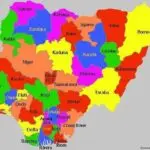
Towns and Their crafts
These include:
- Kano: Known for it’s rich cultural heritage and leatherwork.
- Benin City: Famous for its bead making and intricate bead designs.
- Oyo: Renowned for calabash carving and traditional weaving.
- Awka: Known for blacksmithing and metalwork.
- Bida: Famous for glasswork and brass making.
Teaching Methods
To deliver this lesson, the teacher will adopt the following methods: Discussion, Question and answer, Show and tell
Instructional Procedures
To deliver this lesson, the teacher will adopt the following steps:
Step 1: Introduction
Time: 5 minutes
Teaching Skill: Set Induction
Teacher’s Activity: Engage students with a brief discussion about familiar songs and their cultural origins.
Pupils’ Activity: Share examples of songs they know and discuss their cultural significance.
Step 2: Clarification of Key Concepts
Time: 10 minutes
Teaching Skill: Clarification
Teacher’s Activity: Explain the concept of traditional crafts and their importance.
Pupils’ Activity: Listen attentively and ask clarifying questions.
step 3: Demonstration/Guided practice
Time: 10 minutes
Teaching Skill: Demonstration
Teacher’s Activity: Show pictures or examples of traditional crafts from Kano and Benin City.
Pupils’ Activity: Observe and identify the crafts.
Step 4: Self-Reliant Practice
Time: 5 minutes
Teaching Skill: Guided Practice
Teacher’s Activity: Ask pupils to name the crafts and the towns associated with them.
Pupils’ activity: Answer the questions individually.
Step 5: Note-Taking
Time: 5 minutes
teaching Skill: Note-Taking
Teacher’s Activity: Guide pupils in taking notes on key concepts.
Pupils’ Activity: Write down critically important information.
Step 6: Evaluation/Review
Time: 5 minutes
Teaching Skill: Questioning
Teacher’s Activity: Ask review questions to assess understanding.
Pupils’ Activity: Answer the questions.
Objective-aligned checks:
- Identify two towns where art works and crafts are practiced.
- Show interest and thankfulness for Nigerian cultural heritage.
- Demonstrate an understanding of traditional crafts through participation in activities.
step 7: Conclusion
Time: 2 minutes
Teaching Skill: Summarizing
Teacher’s Activity: Summarize the key points of the lesson.
Pupils’ Activity: Listen and recap the main points.
Lesson Keywords
- Traditional Crafts – Art forms and skills passed down through generations.
- Kano – A city in Nigeria known for its leatherwork.
- Benin City – A city in Nigeria famous for its bead making.
- Cultural Heritage – The traditions, customs, and artifacts of a cultural group.
- Leatherwork – Crafting items from animal hides.
lesson Evaluation
to evaluate the learning, the teacher asks pupils to:
- What is the main craft practiced in Kano?
- What town is known for its bead making?
- Name another town in Nigeria famous for a specific craft.
- What are some examples of traditional crafts?
- Why are traditional crafts important?
Assignment/Homework
- Research and write about another traditional craft in Nigeria.
- Draw a picture of one of the crafts discussed in class.
- Ask yoru parents or grandparents about traditional songs or crafts they know.
Differentiation
- for slower learners: Provide one-on-one assistance and simplified explanations.
- For advanced learners: Encourage them to research othre towns known for their crafts and present their findings.
- For visual/auditory/kinesthetic learners: Use visual aids, songs, and hands-on activities to engage different learning styles.
Note for Teachers
Encourage pupils to appreciate and respect diverse cultural practices. Emphasize the importance of preserving traditional crafts as part of Nigeria’s cultural heritage.
Community Join the conversation Open discussion +