Class: Primary Four
Term: First Term
Subject: Cultural & Creative Arts
Curriculum Theme:
Previous Lesson:
Topic: Definition of Arts and Music
Content/Learning Area: Definition of Arts, Definition of Music
Time Allocation: 40 minutes
Performance Objectives
By the end of the lesson, pupils should be able to:
- Cognitive Domain:
1. State the meaning of Arts.
2. Define Music.
- Affective Domain:
1.Show interest in learning about Arts and Music.
- Psychomotor Domain:
1. Actively participate in class discussions.
- Social Domain:
1. Share their ideas and opinions respectfully.
Reference Materials
- 9 – Years Basic Education Curriculum
- Abuja Educational Resource Centre Scheme of Work
- NAPPS National Unified scheme of work
- Relevant textbooks
Instructional Materials
to deliver this lesson, the teacher will employ the help of the following materials: Whiteboard or chart paper, Markers or crayons.
Rationale for the Lesson
Understanding the definition of arts and music is fundamental to appreciating and creating art. This lesson lays the groundwork for future exploration of various art forms.
Prerequisite/Previous Knowledge
The teacher will start by asking pupils what thay understand by the word “art” and encourage them to share examples. This will create a relaxed atmosphere and gauge their prior knowledge.
Lesson Content
What is Art?
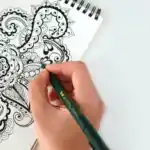
Art is a way for people to show their creativity and creativity. It can be done in many ways, like painting, drawing, making music, or sculpting.Art helps us share our feelings and show what our culture is like.
What is Music?
Music is a special kind of sound that is planned and organized. It uses things like melody, harmony, rhythm, and how loud or soft the sounds are. We can make music with instruments,our voices,or both. Music is a big part of our cultures,feelings,and how we live together. it’s like a language everyone can understand.
Branches and Purposes of Art
Art is the creative expression of ideas, feelings and experiences through skill and imagination. Visual arts include drawing, painting, printing, sculpture, textiles and crafts. Performing arts include music, dance and drama.
Art can communicate a message, record culture, decorate spaces, entertain, teach, support ceremonies or provide work. A useful description names the materials, process, subject and purpose rather than saying only that an artwork is beautiful.
Teaching Methods
To deliver this lesson, the teacher will adopt the following methods: Discussion, Clarification, Question and Answer.
Instructional Procedures
To deliver this lesson, the teacher will adopt the following steps:
Step 1: Introduction
Time: 5 minutes
teaching Skill: Set Induction
teacher’s Activity: Ask pupils what they think art is and what types of art they know.
Pupils’ activity: Share their ideas and examples of art.
Step 2: Explanation of Key Concepts
Time: 15 minutes
Teaching Skill: Explanation
Teacher’s activity: Explain the definition of art and music, using simple language and examples.
Pupils’ Activity: Listen attentively and ask clarifying questions.
Step 3: Demonstration of Art Forms
Time: 10 minutes
teaching Skill: Demonstration
Teacher’s Activity: Show examples of diffrent art forms (painting, drawing, music) and explain how they express creativity.
Pupils’ Activity: Observe and participate in discussions.
Step 4: examples of Art and Music
time: 5 minutes
Teaching Skill: Guided Practice
Teacher’s activity: Ask pupils to give their own examples of art and music.
Pupils’ Activity: Share their examples.
Step 5: Note-Taking
Time: 2 minutes
Teaching Skill: Note-Taking
Teacher’s Activity: Guide pupils in writing down key definitions.
Pupils’ Activity: Write down notes.
Step 6: Evaluation/Review
Time: 3 minutes
Teaching Skill: Questioning
Teacher’s Activity: Ask review questions to check understanding.
Pupils’ Activity: answer questions.
Objective-aligned checks:
- State the meaning of Arts.
- Show interest in learning about Arts and Music.
Step 7: Conclusion
Time: 2 minutes
Teaching Skill: Summarizing
Teacher’s Activity: Summarize the key concepts and encourage pupils to continue exploring different forms of art and music.
Pupils’ Activity: Listen attentively.
Lesson Keywords
- Art – A way for people to show their creativity and imagination.
- Music – A special kind of sound that is planned and organized.
- Creativity – the use of imagination or original ideas to create something.
- Imagination – The ability to form new ideas or images in the mind.
Lesson Evaluation
To evaluate the learning, the teacher asks pupils to:
- What are some examples of art we talked about today?
- How would you explain what music is based on what we learned?
- What does art mean?
Assignment/Homework
- Find examples of art and music in your surroundings.
- Draw a picture that represents your favorite type of art.
- Write a short paragraph about what music means to you.
Differentiation
- For slower learners: Provide one-on-one assistance and simpler explanations.
- For advanced learners: Encourage them to explore different art forms and create their own examples.
- For visual/auditory/kinesthetic learners: Use visual aids,play music,and incorporate movement activities.
Note for Teachers
Encourage pupils to express their ideas freely and provide positive feedback. Use real-life examples to make the lesson more engaging.