

Class: Junior Secondary School 1 (JSS1, JSS 1)
Term: 1st Term
Week: 1
Age: 12 years
Duration: 45 minutes
Subject: Cultural And Creative Arts
Curriculum Theme: Cultural And Creative Arts
Previous Lesson:
Topic: Introduction to Cultural and Creative Arts
Subject Matter: Introduction to Cultural and Creative Arts
Specific Objectives
By the end of the lesson, pupils should be able to:
- Cognitive Domain:
(a) Define Cultural and Creative Arts.
(b) Identify the main branches of Cultural and Creative Arts. - Affective Domain:
(a) Appreciate the importance of Cultural and Creative Arts in society. - Psychomotor Domain:
(a) Demonstrate simple creative expressions such as drawing, singing, or role play. - Social Domain:
(a) Work cooperatively in groups to share ideas about culture and creativity.
Reference Materials
The following resources were used in planning this lesson:
- 9 Years Basic Education Curriculum
- Lagos State Unified Scheme of work for Junior Secondary Schools
- UNESCO – “What is Culture?” (https://www.unesco.org/en/culture)
- Britannica – “The Arts” (https://www.britannica.com/topic/the-arts)
- Relevant Textbooks
Instructional Materials
The teacher will teach this lesson with the aid of:
- Charts showing cultural practices and artworks
- Musical instruments (local drums, flute, etc.)
- Samples of artworks (drawings, carvings, crafts)
- Flash cards with key terms
- Whiteboard and markers
Rationale for the Lesson
This lesson introduces students to Cultural and Creative Arts, helping them understand culture, creativity, and how the arts contribute to personal and social development.
Prerequisite/Previous Knowledge
Pupils have already experienced aspects of culture at home and in their community such as festivals, music, dressing, and drawing activities in primary school.
Lesson Content/Board Summary
Introduction to Cultural and Creative Arts
Cultural and Creative Arts is a subject that combines culture and creativity in expressing human ideas, beliefs, and feelings through different forms of art. It teaches about people’s way of life and creative skills.
Branches of Cultural and Creative Arts
Cultural and Creative Arts is divided into three main branches. Each branch focuses on a different area of human expression.
The following are the branches of Cultural and Creative Arts:
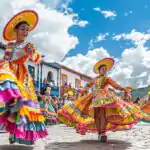
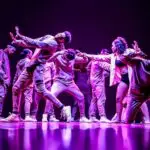
- Performing Arts – includes music, drama, and dance.
- Visual Arts – includes drawing, painting, sculpture, and crafts.
- Literary Arts – includes creative writing, poetry, and oral literature.
Importance of Cultural and Creative Arts
Cultural and Creative Arts is important because it shapes individuals and society. It also promotes cultural values and talents.
The following are the importance of Cultural and Creative Arts:
- It helps to preserve and promote culture.
- It develops creative and artistic talents.
- It improves communication and self-expression.
- It encourages teamwork and social interaction.
- It provides enjoyment, entertainment, and relaxation.
- It promotes unity and peace through cultural understanding.
- It can provide job opportunities and sources of income.
Teaching Methods/Instructional Techniques:
Lecture, Discussion, Storytelling, Explanation, Demonstration, Group Work, Visual Aids
Instructional Procedures
To deliver this lesson, the teacher will adopt the following steps:
Step 1: Introduction
Time: 5 minutes
Teaching Skill: Set Induction
Teacher’s Activity: Teacher tells a short story about a cultural festival and asks pupils what activities take place in such events.
Pupils’ Activity: Pupils respond with examples of singing, dancing, and dressing.
Learning Point: Pupils become interested and see the link between culture and arts.
Step 2: Explanation of Cultural and Creative Arts
Time: 10 minutes
Teaching Skill: Explanation
Teacher’s Activity: Teacher defines Cultural and Creative Arts and explains how it connects culture and creativity.
Pupils’ Activity: Pupils listen and take notes.
Learning Point: Pupils understand what Cultural and Creative Arts means.
Step 3: Branches of Cultural and Creative Arts
Time: 10 minutes
Teaching Skill: Discussion
Teacher’s Activity: Teacher explains the branches of Cultural and Creative Arts with examples and visual aids.
Pupils’ Activity: Pupils identify examples of activities under each branch.
Learning Point: Pupils learn the three main branches of Cultural and Creative Arts.
Step 4: Importance of Cultural and Creative Arts
Time: 10 minutes
Teaching Skill: Discussion
Teacher’s Activity: Teacher discusses the importance of Cultural and Creative Arts in personal life and society.
Pupils’ Activity: Pupils share how they benefit from arts and culture in their environment.
Learning Point: Pupils understand why Cultural and Creative Arts is valuable.
Step 5: Note-Taking
Time: 5 minutes
Teaching Skill: Explanation
Teacher’s Activity: Teacher writes the board summary and dictates notes.
Pupils’ Activity: Pupils copy the notes into their exercise books.
Learning Point: Pupils have written notes for reference.
Step 6: Evaluation/Review
Time: 3 minutes
Teaching Skill: Questioning
Teacher’s Activity: The teacher evaluates the learning by asking the following questions:
- What is Cultural and Creative Arts?
- Mention the three branches of Cultural and Creative Arts.
- State three importance of Cultural and Creative Arts.
Pupils’ Activity: Pupils answer the questions orally.
Learning Point: Pupils recall and demonstrate understanding of the lesson.
Step 7: Conclusion
Time: 2 minutes
Teaching Skill: Reinforcement
Teacher’s Activity: Teacher summarizes the lesson and encourages pupils to value both culture and creativity in their daily life.
Pupils’ Activity: Pupils listen attentively.
Learning Point: Pupils appreciate the role of Cultural and Creative Arts in society.
Home Task: Describe or illustrate one lesson example of Introduction to Cultural and Creative Arts and include one safety or performance rule. Do not practise a risky activity without adult supervision.
Lesson Keywords
- Culture – the way of life of a people
- Creativity – the ability to use imagination to create something new
- Performing Arts – arts expressed through performance like music and dance
- Visual Arts – arts expressed through sight like painting and sculpture
- Literary Arts – arts expressed through words like stories and poetry
Differentiation
Teacher uses visual aids and storytelling for weaker learners while encouraging stronger learners to give examples and lead discussions.
Note for teachers using this lesson plan
Relate the lesson to pupils’ environment by using local examples. Encourage participation and creativity while managing time effectively.

Community Join the conversation Open discussion +