

Note for teachers using this lesson plan
This lesson introduces pupils to the rich heritage of Nigerian art. Prepare visual aids such as pictures or actual examples of Nigerian artworks to make the concepts concrete. Encourage pupils to actively participate in identifying artworks and discussing their cultural uses. By the end, pupils should be able to explain what Nigerian art means and appreciate its diverse traditions.
Class: Primary Four
Term: First Term
Week: 3
Age: 9 years
Duration: 45 minutes
Subject: Cultural and Creative Arts
Curriculum Theme: Arts and Crafts
Focal competence: Acquiring the knowledge of Nigeria arts
Key competencies/values: Collaboration; Creativity and Innovation
Skills:
- identify Nigerian artworks
- list types of Nigeria tradition art
- make an art work Nigerian art
Previous Lesson: Functions/importance of art and creating a simple artwork
Topic: Nigerian Arts
Subject Matter: Meaning of Nigerian art, Selected Nigerian art traditions/artworks and their cultural significance
Specific Objectives
By the end of the lesson, pupils should be able to:
Cognitive Domain
- explain the meaning of Nigerian art;
- identify Nigerian artworks;
- list types of Nigeria tradition art.
Psychomotor Domain
- make an art work Nigerian art.
Reference Materials
The following resources were used in planning this lesson:
- 2025 Revised 9 Years Basic Education Curriculum
- Relevant State Unified Scheme of Work
- Cultural and Creative Arts for Primary 4 textbook
- The HeadTeacher Scheme of work
Instructional Materials
The teacher will teach this lesson with the aid of:
- Pictures or charts showing various Nigerian artworks (e.g., Nok terracotta, Ife bronze, Benin bronze, Igbo-Ukwu artifacts)
- Examples of materials used in Nigerian art like wood, clay, beads, fabrics, leather
- Actual small artworks or replicas if available
Rationale for the Lesson
This lesson introduces pupils to the rich cultural heritage embedded in Nigerian art. Understanding Nigerian art helps pupils appreciate their cultural identity and the creativity of their ancestors. It also develops their observation skills and encourages artistic expression.
Prerequisite/Previous Knowledge
Pupils have basic knowledge of what art is and have seen different forms of art around them.
Lesson Content/Board Summary
Nigerian Arts
Meaning of Nigerian Art
Nigerian art refers to the various forms of creative expression, visual arts, and crafts that have been developed and practiced by the different ethnic groups and cultures within Nigeria over many centuries. It tells stories, expresses beliefs, and serves many purposes in the community.
Selected Nigerian Art Traditions/Artworks and their Cultural Significance
Nigeria has a rich history of diverse art traditions. Some important ones include:
- Nok Art: Found in central Nigeria (Kaduna State), dating back to 500 BC – 200 AD. It is famous for its terracotta (baked clay) figures, often depicting human and animal forms with distinctive triangular eyes and elaborate hairstyles. These figures are believed to have been used for religious or ritual purposes.
- Ife Art: Flourished in Ile-Ife (Osun State) around the 12th – 15th centuries. Known for its realistic bronze and terracotta heads and figures, often representing kings (Oni) and important personalities. These artworks show great skill and were used to honour rulers and in ancestral worship.
- Benin Art: Developed in the ancient Benin Kingdom (Edo State) from the 13th century onwards. It is famous for its bronze plaques, statues, and ivory carvings, which depict historical events, royal ceremonies, and the Oba (king) and his court. These artworks served to record history and glorify the monarchy.
- Igbo-Ukwu Art: Discovered in Igbo-Ukwu (Anambra State), dating to the 9th century. This tradition is known for its intricate bronze castings, including ceremonial vessels, ornaments, and staff heads. These pieces show advanced metalworking techniques and were likely used for ritual, burial, and ceremonial purposes.
Types of Nigerian Traditional Art
Nigerian traditional art encompasses a wide range of forms and materials, including:
- Sculpture: Carvings from wood, stone, or terracotta, and castings in bronze or brass.
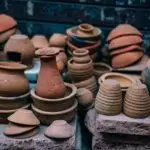
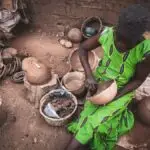
- Pottery: Earthenware made from clay, often decorated with patterns.
- Textile Art: Weaving, dyeing (e.g., Adire, Ukara), and embroidery using fabrics.
- Beadwork: Creating jewelry, crowns, and decorative items with beads.
- Leatherwork: Crafting items like bags, sandals, and cushions from animal hides.
- Body Art: Henna (lali), traditional tattoos, and body painting for ceremonies.
Teaching Methods/Instructional Techniques
Discussion, Demonstration, Question and Answer, Explanation, Observation, Guided Practice
Instructional Procedures
Step 1: Introduction
Time: 5 minutes
Teaching Skill: Questioning/Recall
Teacher’s Activity: The teacher greets the pupils and asks them what they understand by “art” and if they can name any type of art they have seen.
Pupils’ Activity: Pupils respond by sharing their ideas about art and naming examples like drawing or painting.
Learning Point: Prior knowledge of art
Step 2: Explanation of Nigerian Art
Time: 8 minutes
Teaching Skill: Explanation/Definition
Teacher’s Activity: The teacher explains the meaning of Nigerian art, highlighting that it includes various creative works from different Nigerian cultures. The teacher then writes the meaning on the board.
Pupils’ Activity: Pupils listen attentively and ask questions for clarification.
Learning Point: Meaning of Nigerian art
Step 3: Display and Discussion of Artworks
Time: 10 minutes
Teaching Skill: Demonstration/Discussion
Teacher’s Activity: The teacher displays pictures/examples of selected Nigerian artworks (e.g., Nok, Ife, Benin, Igbo-Ukwu) and discusses their unique features and the materials used.
Pupils’ Activity: Pupils observe the pictures, identify features, and participate in the discussion.
Learning Point: Features of Nigerian artworks
Step 4: Cultural Significance of Artworks
Time: 7 minutes
Teaching Skill: Explanation/Questioning
Teacher’s Activity: The teacher explains the cultural significance or uses of each artwork discussed (e.g., Nok for rituals, Ife/Benin for royalty/history, Igbo-Ukwu for ceremonies).
Pupils’ Activity: Pupils listen and identify the cultural uses of the artworks.
Learning Point: Cultural significance of art
Step 5: Listing Types of Traditional Art
Time: 5 minutes
Teaching Skill: Listing/Reinforcement
Teacher’s Activity: The teacher guides pupils to list different types of Nigerian traditional art (e.g., sculpture, pottery, textile art, beadwork, leatherwork) and briefly mentions examples of materials used for each.
Pupils’ Activity: Pupils list the types of art and mention materials.
Learning Point: Types of Nigerian art
Step 6: Practical Application (Making Art)
Time: 5 minutes
Teaching Skill: Guided Practice
Teacher’s Activity: The teacher briefly demonstrates how simple shapes can be made with clay or how patterns can be drawn on fabric, encouraging pupils to think about creating their own simple artwork using available materials.
Pupils’ Activity: Pupils observe the demonstration and discuss ideas for creating simple artworks.
Learning Point: Creating simple artworks
Step 7: Evaluation/Review
Time: 5 minutes
Teaching Skill: Questioning/Assessment
Teacher’s Activity: The teacher evaluates the learning by asking the following questions:
- What is Nigerian art?
- Name two Nigerian art traditions.
- Mention one cultural use of Ife art.
- List two types of Nigerian traditional art.
Pupils’ Activity: Pupils answer orally and in writing.
Learning Point: Understanding Nigerian art concepts
Step 8: Note-Taking
Time: 4 minutes
Teaching Skill: Guided Writing
Teacher’s Activity: The teacher guides pupils to copy the essential Board Summary notes on the meaning of Nigerian art and its traditions into their notebooks.
Pupils’ Activity: Pupils copy the notes carefully into their notebooks.
Learning Point: Notes on Nigerian art
Step 9: Conclusion
Time: 1 minute
Teaching Skill: Consolidation
Teacher’s Activity: The teacher summarises the lesson by reiterating the importance of Nigerian art in preserving culture and encourages pupils to appreciate and explore more about their artistic heritage.
Pupils’ Activity: Pupils listen and reflect on the lesson.
Learning Point: Appreciation of Nigerian art
Continuous Assessment/Further Study
Type: Homework/Project
Instruction: Research and create a simple artwork.
- Draw or make a simple artwork inspired by any Nigerian art tradition discussed in class (e.g., a simple terracotta-like figure from clay, or a pattern on a piece of fabric).
- Bring your artwork to class next week.
- Write a short sentence explaining what your artwork represents.
Lesson Keywords
- Art – Creative expression, often visual.
- Nigerian Art – Creative works from various Nigerian cultures.
- Tradition – Customs or beliefs passed down through generations.
- Terracotta – Baked clay, used for sculptures.
- Bronze – A metal alloy, used for casting statues and plaques.
- Cultural Significance – The importance of something to a culture.
Differentiation
For weaker learners: Provide simplified pictures and focus on identifying just one or two major art traditions. Guide them in explaining the meaning of Nigerian art in their own simple words.
For faster learners: Encourage them to research other Nigerian art traditions not covered in class or to draw complex patterns inspired by the artworks shown. They can also explain the cultural significance in more detail.
Suggested Lesson Videos
Search YouTube for: Nigerian traditional art for kids primary 4
Teacher Guide for Using This Lesson Plan
Before the lesson, ensure you have a good collection of clear pictures or charts depicting Nok, Ife, Benin, and Igbo-Ukwu artworks. If possible, bring small examples of materials like clay or fabric for a brief demonstration. Start by engaging pupils with what they already know about art. Follow the sequence of explaining the meaning, showing examples, discussing cultural significance, and then listing types of art. Encourage active participation through questions and discussions. For the practical activity in Step 6, a brief demonstration is sufficient, as the main artwork creation is for homework. Pupils should copy the Board Summary notes after the main teaching and evaluation, allowing them to focus on understanding during the lesson. Check for understanding frequently by asking questions and providing support to those who struggle, while challenging faster learners with additional questions or research tasks.

Community Join the conversation Open discussion +