

Note for teachers using this lesson plan
This lesson introduces Primary 4 pupils to the basic meaning and various forms of art. Ensure you have a variety of visual examples of drawing, painting, pottery, and sculpture ready to display. Encourage pupils to observe carefully and participate actively in identifying the different art forms. By the end of the lesson, pupils should be able to clearly explain what art is and identify its common forms.
Class: Primary Four
Term: First Term
Week: 1
Age: 9 years
Duration: 45 minutes
Subject: Cultural and Creative Arts
Curriculum Theme: Arts and Crafts
Focal competence: Demonstrating good knowledge of art in everyday life
Key competencies/values: Communication; Creativity and Innovation
Skills:
- Creating artworks (Drawing, Painting, pottery, Sculpture etc.)
Previous Lesson:
Topic: Art
Subject Matter: Meaning and forms of art
Specific Objectives
By the end of the lesson, pupils/students should be able to:
Cognitive Domain
- explain the meaning of Arts;
- state the types of Arts.
Affective Domain
- appreciate the beauty and diversity of different art forms;
- show interest in learning more about art.
Psychomotor Domain
- identify examples of drawing, painting, pottery, and sculpture when shown.
Reference Materials
The following resources were used in planning this lesson:
- 2025 Revised 9 Years Basic Education Curriculum
- Relevant State Unified Scheme of Work
- Cultural and Creative Arts for Primary 4 textbook
- The HeadTeacher Scheme of work
Instructional Materials
The teacher will teach this lesson with the aid of:
- Sketch pad
- Drawing paper
- Canvas
- Pencil
- Cardboard paper
- Pictures or real examples of drawings, paintings, pottery, and sculptures
Rationale for the Lesson
This lesson is important because it introduces pupils to the fundamental concept of art and its various forms, which are prevalent in everyday life. Understanding art helps pupils develop their creativity, appreciation for aesthetics, and cultural awareness. It also lays a foundation for practical art creation skills.
Prerequisite/Previous Knowledge
Pupils are expected to have seen different forms of creative expressions around them, such as drawings, pictures, or decorated objects.
Lesson Content/Board Summary
Art
Meaning of Art
Art is the expression of human creative skill and imagination, usually in a visual form such as painting or sculpture, producing works to be appreciated primarily for their beauty or emotional power.
It is a way people express their feelings, ideas, and observations using different materials and methods.
Forms of Art
Art can take many forms. Some common forms include:
- Drawing: This is a form of visual art where an artist uses instruments like pencils, charcoal, or crayons to make marks on a surface, usually paper. Drawings can be sketches, portraits, landscapes, or cartoons.
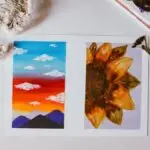
- Painting: This is the application of paint, pigment, colour, or other medium to a solid surface (known as the “matrix” or “support”). Common types of paint include watercolour, oil paint, and acrylic paint. Paintings can show people, places, or abstract ideas.
- Pottery: This is the art of making objects from clay and other ceramic materials, which are then hardened by heat. Examples include pots, plates, bowls, and decorative items.
- Sculpture: This is a three-dimensional art form where artists create figures or designs by carving, modelling, or casting materials like wood, stone, metal, or clay. Sculptures can be statues of people, animals, or abstract shapes.
Teaching Methods/Instructional Techniques
Discussion, Demonstration, Guided Practice, Question and Answer, Explanation, Observation.
Instructional Procedures
Step 1: Introduction
Time: 5 minutes
Teaching Skill: Activating Prior Knowledge
Teacher’s Activity: The teacher greets the pupils and asks them to mention anything they know that people create with their hands for beauty or to express ideas.
Pupils’ Activity: Pupils respond by mentioning things like drawings, paintings, or crafted items they have seen.
Learning Point: Prior knowledge of art
Step 2: Explanation of Art
Time: 8 minutes
Teaching Skill: Explanation/Definition
Teacher’s Activity: The teacher explains the meaning of art, using simple language and relating it to the pupils’ responses from the introduction. The teacher emphasizes that art is about expressing creativity and imagination.
Pupils’ Activity: Pupils listen attentively and ask questions for clarification.
Learning Point: Meaning of art
Step 3: Introduction to Forms of Art
Time: 8 minutes
Teaching Skill: Introduction/Categorization
Teacher’s Activity: The teacher introduces the idea that art comes in different forms. The teacher mentions that today’s lesson will focus on drawing, painting, pottery, and sculpture.
Pupils’ Activity: Pupils listen and prepare to learn about the different forms.
Learning Point: Introduction to art forms
Step 4: Discussing Drawing and Painting
Time: 7 minutes
Teaching Skill: Demonstration/Explanation
Teacher’s Activity: The teacher explains drawing and painting, showing examples (pictures or actual items like a sketch and a small painting) and highlighting the materials used for each. The teacher asks pupils what they observe in the examples.
Pupils’ Activity: Pupils observe the examples and describe what they see in drawings and paintings.
Learning Point: Drawing and painting explained
Step 5: Discussing Pottery and Sculpture
Time: 7 minutes
Teaching Skill: Demonstration/Explanation
Teacher’s Activity: The teacher explains pottery and sculpture, showing examples (pictures of pots, plates, or small figurines) and explaining how they are made. The teacher asks pupils if they have seen similar items.
Pupils’ Activity: Pupils observe the examples and share if they have seen pottery or sculptures before.
Learning Point: Pottery and sculpture explained
Step 6: Display and Identification
Time: 5 minutes
Teaching Skill: Guided Practice/Observation
Teacher’s Activity: The teacher displays various examples of art forms (pictures or real objects) and asks pupils to identify each one as drawing, painting, pottery, or sculpture.
Pupils’ Activity: Pupils identify the art forms shown by the teacher.
Learning Point: Identification of art forms
Step 7: Evaluation/Review
Time: 5 minutes
Teaching Skill: Questioning/Assessment
Teacher’s Activity: The teacher evaluates the learning by asking the following questions:
- What is art?
- Mention two forms of art.
- Give an example of something made through pottery.
- What materials can be used for drawing?
Pupils’ Activity: Pupils answer orally and in writing.
Learning Point: Understanding art concepts
Step 8: Note-Taking
Time: 4 minutes
Teaching Skill: Guided Writing
Teacher’s Activity: The teacher guides pupils to copy the essential Board Summary notes on the meaning and forms of art into their notebooks.
Pupils’ Activity: Pupils copy the notes carefully into their notebooks.
Learning Point: Art notes copying
Step 9: Conclusion
Time: 1 minute
Teaching Skill: Reinforcement
Teacher’s Activity: The teacher briefly reminds pupils that art is a creative way to express ideas and feelings, and it comes in many beautiful forms around us. The teacher thanks them for their participation.
Pupils’ Activity: Pupils listen and acknowledge the conclusion of the lesson.
Learning Point: Art concepts reinforced
Continuous Assessment/Further Study
Type: Homework
Instruction: Answer the following questions in your notebooks.
- Draw a simple object (e.g., a fruit or a house) and label it as a “drawing”.
- Find and paste a picture of a painting, a piece of pottery, or a sculpture in your notebook. Write down which form of art it is.
Lesson Keywords
- Art – The expression of human creative skill and imagination.
- Drawing – Art made with pencils, charcoal, or crayons on a surface.
- Painting – Art made by applying paint to a surface.
- Pottery – Objects made from clay and hardened by heat.
- Sculpture – Three-dimensional art made by carving, modelling, or casting.
- Expression – Showing feelings or ideas.
Differentiation
For pupils who are struggling, the teacher can provide simpler examples and focus on identifying just two forms of art. For faster learners, encourage them to mention other forms of art they know or to draw more complex objects for their homework.
Suggested Lesson Videos
For further understanding, search on YouTube for: meaning and forms of art for primary school
Teacher Guide for Using This Lesson Plan
Before the lesson, gather diverse visual aids for drawing, painting, pottery, and sculpture. These can be actual items, pictures, or even digital images. Begin by engaging pupils with questions about creative items they see daily to activate prior knowledge. Clearly explain the meaning of art and then introduce each form with its respective examples. Allow pupils ample time to observe and identify the art forms during the guided practice. Encourage questions and provide clear, simple answers. During the note-taking step (Step 8), ensure pupils copy the Board Summary accurately into their notebooks. The evaluation questions (Step 7) should directly assess the stated objectives. For safety, ensure any real art objects are handled carefully and are not breakable or sharp. Support weaker learners by simplifying concepts and providing more direct guidance, while challenging faster learners with additional examples or questions.
Community Join the conversation Open discussion +