

Class: Primary Five
Term: First Term
Subject: Basic Science and Technology
Curriculum Theme: Basic science
Previous Lesson: Advantages of Waste re-cycling in Waste management
Topic: Environmental Quality
Content/Learning Area: What is Environmental Quality, Maintaining a Healthy Habitat, Potted Plants, Making a Potted Plant
Time Allocation: 40 minutes
Performance Objectives
By the end of the lesson, pupils should be able to:
- Cognitive Domain:
– Define environmental quality.
– Identify ways of maintaining a healthy environment.
– Define a potted plant and list the materials needed to make one.
– List the methods for making a potted plant.
- Affective Domain:
– Show gratitude for a healthy environment.
– Develop a sense of obligation towards environmental conservation.
- Psychomotor Domain:
– Demonstrate the steps involved in making a potted plant.
- Social Domain:
– Work collaboratively in group activities related to environmental care.
Reference Materials
- 9 – Years Basic Education Curriculum
- abuja Educational resource Center Scheme of work
- NAPPS National Unified Scheme of Work
- Relevant Textbooks
Instructional Materials
To deliver this lesson, the teacher will employ the help of the following materials:
- Whiteboard or chart
- Markers or chalk
- Pictures or illustrations of healthy and unhealthy environments
- Potting soil, pots, plants/seeds, and watering cans (for practical presentation)
Rationale for the Lesson
Understanding environmental quality is crucial for pupils’ well-being and responsible citizenship. This lesson lays the foundation for future learning about environmental conservation and enduring practices.
Prerequisite/Previous Knowledge
The teacher will start by asking pupils what they understand by a clean environment and a dirty environment. the teacher will then show pictures of both, prompting discussion on the differences and their impact.
lesson Content
What is Environmental Quality?
Environmental quality describes the condition of our surroundings—the air, water, and land. A healthy environment is vital for our well-being and the survival of all living things.
Maintaining a Healthy Environment
Maintaining a healthy environment involves several practices that promote cleanliness and sustainability. The following are ways to keep our environment healthy:
- Reduce, Reuse, Recycle: Use less, reuse items, and recycle waste.
- Conserve Water: Take shorter showers, fix leaks, and water plants efficiently.
- Plant Trees: Trees clean the air and provide shade.
- Avoid Littering: Do not throw trash on the ground.
- Use Less Energy: Turn off lights and use energy-efficient appliances. Learn more about energy use.
- Proper Waste Disposal: Dispose of waste in designated bins and avoid burning refuse.
- Promote Cleanliness: Regularly clean surroundings and participate in community clean-up exercises.
Potted Plants
What is a Potted Plant?
A potted plant is a plant grown in a container like a pot or planter. They add beauty to homes and gardens.
Making a Potted Plant
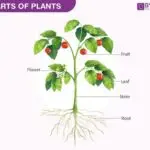
To make a potted plant, you need basic materials such as a pot, potting soil, a plant (seeds or young plant), water, and sunlight.
The steps in making a potted plant are:
- Fill the pot with potting soil.
- Plant your seeds or young plant, spreading the roots and covering them with soil.
- Water thoroughly, but avoid overwatering.
- Place the pot in a sunny spot (at least 6 hours of sunlight).
- Care for your plant by watering regularly and removing dead leaves.
Teaching Methods
To deliver this lesson, the teacher will adopt the following methods: Discussion, question and answer, Practical exhibition, Group work
Instructional Procedures
To deliver this lesson, the teacher will adopt the following steps:
Step 1: Introduction (set Induction)
Time: 5 minutes
Teaching Skill: Questioning, explaining
Teacher’s Activity: introduces the topic, Environmental Quality, and asks pupils what they already know.
Pupils’ Activity: Respond to teacher’s questions and share their prior knowledge.
Step 2: Explanation of Key Concepts
Time: 10 minutes
Teaching Skill: Explaining, illustrating
teacher’s Activity: Explains the meaning of environmental quality and shows pictures of healthy and unhealthy environments.
Pupils’ Activity: Listen attentively and observe the pictures.
step 3: Demonstration/Guided Practice
Time: 10 minutes
Teaching Skill: Demonstrating, guiding
Teacher’s Activity: Demonstrates how to make a potted plant, explaining each step.
Pupils’ Activity: Observe the demonstration and ask questions.
Step 4: Independent Practice
Time: 5 minutes
Teaching Skill: Monitoring, assisting
Teacher’s Activity: Guides pupils as they work in groups to make their own potted plants.
Pupils’ Activity: Work in groups to make potted plants.
Step 5: Note-Taking
Time: 5 minutes
Teaching Skill: Summarizing,guiding
Teacher’s Activity: Summarizes the key points of the lesson and guides pupils in taking notes.
Pupils’ Activity: Take notes on the key points.
Step 6: Evaluation/Review
Time: 5 minutes
Teaching Skill: Questioning, assessing
Teacher’s Activity: Asks evaluation questions to assess pupils’ understanding.
Pupils’ Activity: Answer the evaluation questions.
Step 7: Conclusion
Time: 2 minutes
Teaching Skill: Summarizing, concluding
Teacher’s Activity: Reviews the key concepts, answers any remaining questions, and praises pupils for their participation and effort.Pupils’ Activity: Listen and respond to the teacher’s summary.
Lesson Keywords
- Environmental Quality – The condition of the air, water, and land in our surroundings.
- Potted Plant – A plant grown in a container like a pot or planter.
- conservation – Protecting and preserving natural resources and the environment.
- Recycle – Converting waste materials into reusable objects.
- Sustainability – Meeting the needs of the present without compromising the ability of future generations to meet their own needs.
Lesson Evaluation
To evaluate the learning, the teacher asks pupils to:
- What is environmental quality?
- Name three ways to keep our environment healthy.
- What materials do you need to make a potted plant?
- Explain the steps in making a potted plant.
- why is caring for our environment notable?
Assignment/Homework
- List five ways you can help maintain a healthy environment at home and in school.
- Plant a seed in a small container and observe its growth over the next week, noting any changes.
- Write a short paragraph explaining why it is indeed significant to reduce, reuse, and recycle.
differentiation
- For slower learners: Provide one-on-one assistance and simplified instructions.
- For advanced learners: Encourage them to research additional ways to maintain a healthy environment.
- For visual/auditory/kinesthetic learners: Use visual aids, verbal explanations, and hands-on activities to cater to different learning styles.
Note for Teachers
Ensure to provide clear and concise explanations, use real-life examples, and encourage active participation from all pupils.Adjust the pace of the lesson based on pupils’ understanding and engagement.

Community Join the conversation Open discussion +