

Class: Primary Five
Term: First Term
Subject: Basic Science and Technology
Curriculum Theme: Basic Science
Previous Lesson: Meaning and Care of Environmental Quality
Topic: Environmental Quality
Content/Learning Area: Materials for Maintaining a healthy Surroundings, Planning and Cleanliness, Practical Activity
Time Allocation: 40 minutes
Performance Objectives
by the end of the lesson, pupils should be able to:
- Cognitive Domain:
1. List three materials for maintaining a healthy environment.
2. Explain the importance of planning in environmental care.
3. Describe the practical activity carried out during the lesson.
4. Explain why planting flowers is vital for the school environment.
- Affective Domain:
1. Show gratitude for a healthy environment.
2. Demonstrate obligation in maintaining a clean environment.
- Psychomotor Domain:
1. Plan, clean, and beautify their school environment.
2. Plant flowers to beautify their environment.
- Social Domain:
1. Work collaboratively with peers during the practical activity.
2.Contribute to maintaining a healthy environment in their school.
Reference Materials
- 9 – Years Basic Education Curriculum
- Abuja Educational Resource Center Scheme of Work
- NAPPS National Unified Scheme of work
- Relevant Textbooks
Instructional Materials
To deliver this lesson, the teacher will employ the help of the following materials: Brooms, waste bins, gardening tools, watering cans, cleaning supplies, recycling bins, compost bins, gloves, and flowers.
Rationale for the Lesson
This lesson is crucial for instilling environmental responsibility in young learners. Understanding environmental quality and the materials needed to maintain it will help them contribute to a cleaner, healthier, and more lovely environment, both now and in the future.
prerequisite/Previous Knowledge
Pupils have prior knowledge of what a healthy environment is.
Lesson Content
What are Materials for Maintaining a healthy Environment?
Keeping our surroundings clean, safe, and beautiful requires essential items. These include:
The following are examples of materials for maintaining a healthy environment:
- Brooms: For sweeping.
- Waste Bins: For proper trash disposal.
- Gardening tools: (Hoes, cutlasses, rakes) for planting and garden maintenance.
- Watering Cans: For plants.
- Cleaning Supplies: (Soap, detergents, disinfectants) to remove germs.
- Recycling Bins: For separating materials like paper, plastic, and glass.
- Compost Bins: For breaking down organic waste into nutrient-rich compost.
- Gloves: To protect hands.
- Wheelbarrows: For transporting materials.
- Rakes: For gathering leaves and debris.
Planning and Cleanliness
Planning and cleanliness are essential components of maintaining a healthy environment.They are:
These include:
- Planning: Organizing and maintaining surroundings involves deciding where to place waste bins,how to organize recycling,and where to plant flowers.
- Cleanliness: Keeping the environment free of dirt, debris, and harmful substances thru regular sweeping, mopping, and trash removal.
Practical Activity
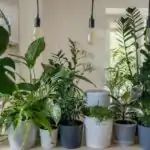
Planting flowers to beautify the school environment helps understand the importance of gardening tools and how planting improves the look and feel of surroundings.
teaching Methods
To deliver this lesson, the teacher will adopt the following methods: Discussion, presentation, practical activity, and question and answer.
Instructional Procedures
To deliver this lesson, the teacher will adopt the following steps:
Step 1: Introduction
Time: 5 minutes
Teaching Skill: Set Induction
Teacher’s Activity: Introduces the topic, engages pupils in a brief discussion about environmental health.
Pupils’ Activity: Participate in the discussion, share their ideas about environmental health.
Step 2: Clarification of Key Concepts
Time: 10 minutes
Teaching Skill: Description
Teacher’s Activity: Explains the importance of a healthy environment and introduces materials for maintaining it.
Pupils’ Activity: Listen attentively, take notes, and ask clarifying questions.
Step 3: Exhibition/Guided Practice
Time: 10 minutes
Teaching Skill: Demonstration
Teacher’s Activity: Demonstrates the proper use of gardening tools and cleaning supplies.
Pupils’ Activity: Observe the demonstration, participate in guided practice under teacher supervision.
Step 4: Autonomous Practice
Time: 10 minutes
Teaching Skill: Monitoring
Teacher’s Activity: Supervises pupils as they engage in the practical activity (planting flowers).
Pupils’ Activity: Independently plant flowers, applying the knowledge and skills learned.
Step 5: Note-Taking
Time: 2 minutes
Teaching Skill: Note-taking guidance
Teacher’s Activity: Guides pupils in summarizing key points.
pupils’ Activity: Take notes on the key concepts and steps involved in maintaining a healthy environment.
Step 6: Evaluation/Review
Time: 3 minutes
Teaching Skill: Questioning
Teacher’s activity: Asks evaluation questions to assess understanding.
Pupils’ Activity: Answer the evaluation questions.
Objective-aligned checks:
- List three materials for maintaining a healthy environment.
- Explain the importance of planning in environmental care.
- Describe the practical activity carried out during the lesson.
Step 7: Conclusion
Time: 2 minutes
Teaching Skill: Summarization
Teacher’s Activity: Summarizes the key points and commends pupils for their participation.
Pupils’ Activity: Listen to the summary and reflect on what they have learned.
Lesson Keywords
- environment – Surroundings in which we live.
- Cleanliness – The state of being clean and free from dirt.
- Planning – The process of making plans for something.
- Gardening Tools – equipment used for gardening.
- Recycling – Converting waste materials into reusable objects.
lesson Evaluation
To evaluate the learning, the teacher asks pupils to:
- List three materials used to maintain a healthy environment.
- Why is planning notable for environmental care?
- What was the practical activity we did today?
- Why is planting flowers in our school important?
- How can you help keep our school environment healthy?
Assignment/Homework
- list five ways you can maintain a healthy environment at home.
- Draw and label three gardening tools.
- Write a short paragraph on the importance of recycling.
Differentiation
- For slower learners: Provide one-on-one assistance during the practical activity.
- For advanced learners: Encourage them to research additional ways to improve the school environment.
- For visual/auditory/kinesthetic learners: Use visual aids, verbal explanations, and hands-on activities to cater to different learning styles.
Note for Teachers
Ensure all materials are available before the lesson. Supervise pupils closely during the practical activity to ensure safety. encourage active participation and provide positive feedback.

Community Join the conversation Open discussion +