

Class: Junior Secondary School 1 (JSS1, JSS 1)
Term: 1st Term
Week: 5
Age: 12 years
Duration: 45 minutes
Subject: National Value Education
Curriculum Theme: Social Studies
Previous Lesson: Resources in Our Environment and Their Uses
Topic: Environmental Problems, Causes, Effects and Solutions
Subject Matter: Environmental Problems, Causes, Effects and Solutions
Specific Objectives
By the end of the lesson, pupils should be able to:
- Cognitive Domain:
(a) Identify common environmental problems in their community.
(b) Explain the causes and effects of environmental problems. - Affective Domain:
(a) Appreciate the need for keeping the environment clean and safe. - Psychomotor Domain:
(a) Suggest and demonstrate practical solutions to simple environmental problems. - Social Domain:
(a) Work cooperatively in groups to discuss environmental challenges and propose solutions.
Reference Materials
The following resources were used in planning this lesson:
- 9 Years Basic Education Curriculum
- Lagos State Unified Scheme of work for Junior Secondary Schools
- Wikipedia – Environmental issues
- Relevant Textbooks
Instructional Materials
The teacher will teach this lesson with the aid of:
- Charts showing polluted and clean environments
- Pictures of flooding, erosion, and waste dumping
- Flashcards listing causes, effects, and solutions of environmental problems
- Short video clips of environmental pollution
- Whiteboard and markers
Rationale for the Lesson
This lesson is important because it enables pupils to recognize environmental problems, understand their causes and effects, and develop responsibility towards sustainable solutions.
Prerequisite/Previous Knowledge
Pupils have basic knowledge of cleanliness, waste disposal, and personal hygiene from earlier classes and daily experiences at home and in school.
Lesson Content/Board Summary
Environmental Problems, Causes, Effects and Solutions
Environmental Problems
Environmental problems are challenges that damage the natural surroundings and affect human life. These problems disturb the balance of nature and reduce quality of life.
The following are examples of environmental problems:
- Air pollution.
- Water pollution.
- Land pollution.
- Soil erosion.
- Flooding.
- Deforestation.
- Desertification.
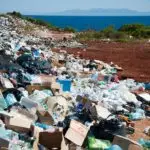
- Poor waste disposal.
Causes of Environmental Problems
Environmental problems are caused by human activities and natural factors. Human carelessness often makes the problems worse.
The following are causes of environmental problems:
- Dumping of refuse in open spaces and water bodies.
- Burning of fossil fuels like petrol and coal.
- Deforestation without replanting.
- Industrial and factory smoke.
- Overgrazing by animals.
- Uncontrolled urban development.
- Oil spillage and gas flaring.
- Excessive use of chemical fertilizers and pesticides.
Effects of Environmental Problems
Environmental problems have negative impacts on health, the economy, and the natural environment.
The following are effects of environmental problems:
- Breathing difficulties and diseases like asthma from air pollution.
- Contamination of water leading to cholera and typhoid.
- Flooding destroys houses and properties.
- Soil erosion reduces farmland and food production.
- Deforestation causes loss of wildlife and desertification.
- Economic loss from destruction of resources.
- Unpleasant sights and bad smell from waste.
- Reduction in life expectancy due to unhealthy surroundings.
Solutions to Environmental Problems
Environmental problems can be reduced or solved through individual and collective efforts. Governments, organizations, and communities all play a role.
The following are solutions to environmental problems:
- Proper waste disposal and recycling.
- Tree planting and forest conservation.
- Avoiding bush burning and careless deforestation.
- Use of cleaner energy sources like solar and wind.
- Construction of good drainage systems.
- Public health education on environmental care.
- Enforcing environmental laws and penalties.
- Encouraging community sanitation exercises.
Teaching Methods/Instructional Techniques:
Discussion, Lecture, Explanation, Demonstration, Group Work, Question and Answer, Storytelling, Visual Aids
Instructional Procedures
To deliver this lesson, the teacher will adopt the following steps:
Step 1: Introduction
Time: 5 minutes
Teaching Skill: Set Induction
Teacher’s Activity: Teacher tells a short story about a dirty environment leading to sickness and asks pupils to share experiences of polluted surroundings.
Pupils’ Activity: Pupils listen and respond by sharing their experiences.
Learning Point: Pupils are motivated and ready to learn about environmental problems, their causes, effects, and solutions.
Step 2: Environmental Problems
Time: 10 minutes
Teaching Skill: Explanation
Teacher’s Activity: Teacher defines and lists environmental problems with examples, showing charts and pictures.
Pupils’ Activity: Pupils listen, take notes, and identify examples from their own environment.
Learning Point: Pupils recognize the main environmental problems affecting communities.
Step 3: Causes of Environmental Problems
Time: 8 minutes
Teaching Skill: Discussion
Teacher’s Activity: Teacher discusses human activities that cause environmental problems using real-life examples.
Pupils’ Activity: Pupils contribute causes they have observed in their community.
Learning Point: Pupils understand the major causes of environmental problems.
Step 4: Effects and Solutions to Environmental Problems
Time: 10 minutes
Teaching Skill: Explanation and Group Work
Teacher’s Activity: Teacher explains the effects of environmental problems and guides pupils in group discussions to suggest solutions.
Pupils’ Activity: Pupils work in groups to discuss and present solutions.
Learning Point: Pupils understand the effects of environmental problems and practical solutions.
Step 5: Note-Taking
Time: 5 minutes
Teaching Skill: Explanation
Teacher’s Activity: Teacher dictates or writes the board summary for pupils to copy.
Pupils’ Activity: Pupils copy the notes into their exercise books.
Learning Point: Pupils have written notes for future study.
Step 6: Evaluation/Review
Time: 5 minutes
Teaching Skill: Questioning
Teacher’s Activity: The teacher evaluates the learning by asking the following questions:
- Mention four environmental problems.
- State three causes of environmental problems.
- List three effects of environmental problems.
- Suggest three solutions to environmental problems.
Pupils’ Activity: Pupils answer the questions orally.
Learning Point: Pupils demonstrate understanding of the lesson objectives.
Step 7: Conclusion
Time: 2 minutes
Teaching Skill: Reinforcement
Teacher’s Activity: Teacher summarizes the lesson, reinforces key points, and encourages pupils to care for their environment.
Pupils’ Activity: Pupils listen and ask questions where necessary.
Learning Point: Pupils are encouraged to practice environmental responsibility.
Home Task: Write a short, evidence-based paragraph about one safe and relevant example of Environmental Problems, Causes, Effects and Solutions.
Lesson Keywords
- Pollution – making the environment dirty and unsafe
- Deforestation – cutting down trees without replacing them
- Erosion – washing away of soil by water or wind
- Desertification – turning of fertile land into desert
- Recycling – reusing waste materials to create new products
Differentiation
The teacher will simplify explanations and use visual aids for slower learners, while advanced learners will be tasked with leading group discussions and presenting solutions.
Note for teachers using this lesson plan
Relate environmental problems to pupils’ immediate surroundings. Ensure class participation and encourage pupils to take action through school sanitation or community projects.

Community Join the conversation Open discussion +