

Class: Junior Secondary School 1 (JSS 1 / JS1)
Term: 3rd Term
Week: 9
Age: 12 years
Duration: 45 minutes
Subject: Cultural and Creative Arts
Curriculum Theme: Cultural and Creative Arts
Previous Lesson: Reasons Why People Produce Take Drugs, Greed.
Topic: ERADICATION OF FAKE AND ADULTERATED DRUGS
Subject Matter: How to stop the sale of fake drugs and adulterated goods, Be patriotic, Show love for your people, Be honest, Respect authority: Knowing your right as a consumer.
Specific Objectives
By the end of the lesson, pupils should be able to:
Cognitive Domain:
- Define fake and adulterated drugs/goods.
- List ways to stop the sale of fake and adulterated goods.
- Explain the importance of patriotism, love for people, and honesty in society.
- Identify their basic rights as consumers.
Affective Domain:
- Appreciate the importance of honesty and integrity in all dealings.
- Develop a sense of responsibility to report illegal activities related to fake goods.
- Show concern for the well-being of others by advocating against harmful products.
Psychomotor Domain:
- Participate in discussions about consumer protection.
- Demonstrate how to identify genuine products from fake ones.
- Formulate simple messages to create awareness about the dangers of fake products.
Social Domain:
- Collaborate with peers to promote healthy living and consumer safety.
- Advocate for consumer rights within their community.
- Encourage others to be patriotic and honest citizens.
Reference Materials
The following resources were used in planning this lesson:
- 9 Years Basic Education Curriculum for Cultural and Creative Arts, JSS 1.
- State Unified Scheme of Work for Cultural and Creative Arts, JSS 1.
- Cultural and Creative Arts for Junior Secondary Schools 1 by various authors.
- Relevant posters and charts on consumer protection.
- https://www.nafdac.gov.ng
- https://www.fccpc.gov.ng
Instructional Materials
The teacher will teach this lesson with the aid of:
- Charts showing examples of genuine and fake products.
- Posters with NAFDAC registration numbers.
- Pictures depicting the dangers of fake drugs.
- A whiteboard and markers.
Rationale for the Lesson
This lesson helps pupils understand the dangers of fake and adulterated goods, especially drugs, and how these affect society. It enables pupils to learn their responsibilities as citizens and consumers, promoting a healthier and more honest community.
Prerequisite/Previous Knowledge
Pupils have a basic understanding of what good citizenship entails and the importance of health and safety in their daily lives.
Lesson Content/Board Summary
ERADICATION OF FAKE AND ADULTERATED DRUGS
What are Fake and Adulterated Drugs/Goods?
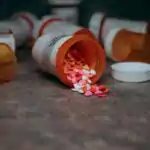
Fake drugs are counterfeit medicines that do not contain the stated active ingredients or contain them in incorrect quantities. They are made to look like genuine products but are harmful and ineffective. Adulterated goods are products that have had their quality reduced by adding inferior or harmful substances, or by removing valuable components.
Ways to Stop the Sale of Fake and Adulterated Goods
The following are ways to combat the sale of fake and adulterated goods:
- Always check for NAFDAC registration numbers or other regulatory body approvals on products before buying.
- Buy drugs and goods only from licensed pharmacies, reputable stores, or trusted vendors.
- Carefully check the packaging, expiry date, and batch number of products.
- Report any suspicious products or vendors to regulatory bodies like NAFDAC or the Federal Competition and Consumer Protection Commission (FCCPC).
- Educate family and friends about the dangers and identification of fake products.
- Be patriotic and show love for your people by not engaging in or supporting the sale of fake goods.
Importance of Patriotism, Love, and Honesty
Patriotism is having a strong love and loyalty for one’s country. It means working for the progress and well-being of Nigeria. Being patriotic helps in fighting against fake products because it encourages citizens to protect their nation from harmful practices.
Love for your people means caring about the health, safety, and general welfare of fellow citizens. When people love their neighbours, they will not produce, sell, or distribute fake and harmful products that endanger lives.
Honesty means being truthful, fair, and upright in all dealings. Honest individuals and businesses will not engage in the production or sale of fake and adulterated goods, thereby building trust and ensuring public safety.
Respect for Authority: Knowing Your Rights as a Consumer
Respect for authority involves obeying the laws and regulations set by government bodies like NAFDAC and FCCPC, which are established to protect citizens. This helps to maintain order and ensure that only safe products are sold.
As a consumer, you have certain rights that protect you from harmful products and unfair practices. These include:
- Right to Safety: To be protected from products that are dangerous to health or life.
- Right to be Informed: To be given accurate and complete information about products.
- Right to Choose: To have access to a variety of products and services at competitive prices.
- Right to be Heard: To express interests and concerns, and to have them considered in the making of government policy.
- Right to Seek Redress: To receive compensation for misrepresentation, shoddy goods, or unsatisfactory services.
- Right to Consumer Education: To acquire knowledge and skills needed to make informed choices.
Teaching Methods/Instructional Techniques
Discussion, Lecture, Demonstration, Question and Answer, Visual Aids
Instructional Procedures
Step 1: Introduction
Time: 5 minutes
Teaching Skill: Set Induction
Teacher’s Activity: The teacher greets the pupils and asks them to recall any recent news or personal experiences related to fake products or drugs.
Pupils’ Activity: Pupils share their thoughts and experiences.
Learning Point: Pupils connect the lesson to real-life situations, preparing their minds for the topic.
Step 2: Explanation of Fake and Adulterated Goods
Time: 10 minutes
Teaching Skill: Explanation/Definition
Teacher’s Activity: The teacher defines what fake drugs and adulterated goods are, using simple language and examples. The teacher may show pictures of fake products versus genuine ones.
Pupils’ Activity: Pupils listen attentively, ask questions for clarity, and observe the examples shown.
Learning Point: Pupils understand the definitions and characteristics of fake and adulterated products.
Step 3: Discussing Ways to Stop the Sale of Fake Goods
Time: 10 minutes
Teaching Skill: Discussion/Brainstorming
Teacher’s Activity: The teacher leads a discussion on practical ways to identify and stop the sale of fake and adulterated goods, emphasizing the role of NAFDAC and checking product details. The teacher writes key points on the board.
Pupils’ Activity: Pupils contribute ideas, share suggestions, and take notes from the board.
Learning Point: Pupils learn actionable steps to prevent the spread of fake products.
Step 4: Patriotism, Love for People, and Honesty
Time: 5 minutes
Teaching Skill: Explanation/Value Integration
Teacher’s Activity: The teacher explains how patriotism, love for others, and honesty are important values in fighting against the sale of fake goods. The teacher links these values to civic responsibility.
Pupils’ Activity: Pupils listen and understand the connection between these values and the topic.
Learning Point: Pupils grasp the ethical and civic dimensions of the problem.
Step 5: Understanding Consumer Rights
Time: 5 minutes
Teaching Skill: Explanation/Information Delivery
Teacher’s Activity: The teacher explains the basic rights of a consumer, such as the right to safety, information, and redress, and how these rights protect them.
Pupils’ Activity: Pupils listen and ask questions about their rights as consumers.
Learning Point: Pupils become aware of their entitlements and protections as consumers.
Step 6: Role-play/Scenario Analysis (Optional)
Time: 5 minutes
Teaching Skill: Demonstration/Application
Teacher’s Activity: The teacher presents a simple scenario involving a pupil buying a suspicious product and asks pupils to act out or discuss how they would react, applying their knowledge of consumer rights and identifying fake products.
Pupils’ Activity: Pupils participate in the role-play or discuss the scenario, demonstrating their understanding.
Learning Point: Pupils apply learned concepts in a practical context.
Step 7: Evaluation/Review
Time: 5 minutes
Teaching Skill: Questioning/Assessment
Teacher’s Activity: The teacher evaluates the learning by asking the following questions:
- What are fake drugs?
- Mention three ways to stop the sale of adulterated goods.
- Explain how patriotism helps in fighting against fake products.
- State two of your rights as a consumer.
Pupils’ Activity: Pupils answer orally and in writing.
Learning Point: Pupils demonstrate understanding of the lesson.
Step 8: Conclusion
Time: 5 minutes
Teaching Skill: Summarization
Teacher’s Activity: The teacher summarizes the key learning points, emphasizing the importance of being vigilant and responsible citizens in the fight against fake and adulterated products. The teacher gives an assignment to research on NAFDAC.
Pupils’ Activity: Pupils listen to the summary and copy the assignment.
Learning Point: Pupils consolidate their understanding and are encouraged to continue learning.
Home Task: Describe or illustrate one lesson example of ERADICATION OF FAKE AND ADULTERATED DRUGS and include one safety or performance rule. Do not practise a risky activity without adult supervision.
Lesson Keywords
- Fake Drugs – Counterfeit medicines that are not genuine and can be harmful.
- Adulterated Goods – Products that have been made inferior by adding poor quality substances.
- Patriotism – Love and loyalty for one’s country.
- Consumer Rights – Legal protections for people who buy goods and services.
- NAFDAC – National Agency for Food and Drug Administration and Control, responsible for regulating food and drug products in Nigeria.
Differentiation
For pupils who grasp concepts quickly, the teacher can assign additional research on the impact of fake drugs on the Nigerian economy. For those who need more support, the teacher will provide simplified definitions and more direct examples, possibly pairing them with faster learners for peer support.
Note for teachers using this lesson plan
Teachers should encourage active participation and real-life examples from the pupils’ environment. Emphasize the role of NAFDAC and other regulatory bodies, and ensure pupils understand the practical steps they can take to protect themselves and their families from fake and adulterated products. The lesson should foster a sense of civic responsibility and ethical behaviour.
Community Join the conversation Open discussion +