

Class: Junior Secondary School 1 (JSS1, JSS 1)
Term: 1st Term
Week: 2
Age: 12 years
Duration: 45 minutes
Subject: Cultural And Creative Arts
Curriculum Theme: Cultural And Creative Arts
Previous Lesson: Art and Its Types
Topic: Introduction to Arts
Subject Matter: Introduction to Arts
Specific Objectives
By the end of the lesson, pupils should be able to:
- Cognitive Domain:
(a) Identify the meaning of art.
(b) List the different forms of art. - Affective Domain:
(a) Appreciate the role of art in expressing ideas and feelings. - Psychomotor Domain:
(a) Draw simple shapes to demonstrate art expression. - Social Domain:
(a) Work in groups to discuss examples of art in their environment.
Reference Materials
The following resources were used in planning this lesson:
- 9 Years Basic Education Curriculum
- Lagos State Unified Scheme of work for Junior Secondary Schools
- Wikipedia – The arts
- Relevant Textbooks
Instructional Materials
The teacher will teach this lesson with the aid of:
- Charts showing paintings, sculptures, and crafts
- Drawing papers, pencils, erasers, and colors
- Picture slides of artworks
- A simple video clip on art activities
- Whiteboard and markers
Rationale for the Lesson
This lesson introduces pupils to the concept of art, its forms, and its importance in human life, helping them develop creativity, expression, and appreciation for culture.
Prerequisite/Previous Knowledge
Pupils have seen artworks in their homes, schools, and community such as drawings, carvings, designs, and performances, and can recognize them as part of everyday life.
Lesson Content/Board Summary
Introduction to Arts
Art is the expression of human imagination, creativity, and feelings through different forms such as drawing, music, dance, and drama. It reflects the culture and lifestyle of a people.
Forms of Art
Art is broad and takes many forms, each serving different purposes.
The following are the main forms of art:
- Visual Art – arts that can be seen, such as painting, drawing, sculpture, and craft.
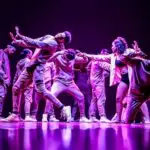
- Performing Art – arts expressed through performance such as dance, drama, and music.
- Literary Art – arts expressed through written or spoken words, such as poetry, prose, and storytelling.
Importance of Art
Art is important because it enriches life and gives meaning to human experiences.
The following are the importance of art:
- It helps people express ideas, emotions, and thoughts.
- It develops creativity and imagination.
- It preserves culture and traditions.
- It provides entertainment and enjoyment.
- It serves as a means of communication.
- It promotes unity and social interaction.
- It can serve as a source of income and career opportunities.
Forms and Functions of Art
Visual art includes drawing, painting, sculpture, printmaking, textiles, ceramics, photography and digital forms. Performing arts include music, dance and drama. Literary arts use language creatively. A work may communicate an idea, preserve memory, support worship or ceremony, provide beauty, record experience, entertain or serve a practical function.
Teaching Methods/Instructional Techniques:
Discussion, Lecture, Explanation, Demonstration, Question and Answer, Group Work, Visual Aids
Instructional Procedures
To deliver this lesson, the teacher will adopt the following steps:
Step 1: Introduction
Time: 5 minutes
Teaching Skill: Set Induction
Teacher’s Activity: The teacher shows pupils pictures of different artworks and asks them what they see and think about them.
Pupils’ Activity: Pupils respond by describing what they see in the pictures.
Learning Point: Pupils’ attention is drawn to the concept of art.
Step 2: Meaning of Art
Time: 7 minutes
Teaching Skill: Explanation
Teacher’s Activity: The teacher explains art as human creativity and expression through different forms.
Pupils’ Activity: Pupils listen and give examples of art they know.
Learning Point: Pupils understand the meaning of art.
Step 3: Forms of Art
Time: 10 minutes
Teaching Skill: Discussion
Teacher’s Activity: The teacher explains the three major forms of art (visual, performing, literary) with examples.
Pupils’ Activity: Pupils listen, discuss, and identify examples of each form.
Learning Point: Pupils learn the major forms of art.
Step 4: Importance of Art
Time: 10 minutes
Teaching Skill: Explanation
Teacher’s Activity: The teacher lists and explains the importance of art in daily life.
Pupils’ Activity: Pupils mention ways art is useful in their lives.
Learning Point: Pupils understand the importance of art.
Step 5: Note-Taking
Time: 5 minutes
Teaching Skill: Explanation
Teacher’s Activity: The teacher dictates or writes the board summary for pupils to copy.
Pupils’ Activity: Pupils copy the notes into their exercise books.
Learning Point: Pupils have a written record of the lesson.
Step 6: Evaluation/Review
Time: 5 minutes
Teaching Skill: Questioning
Teacher’s Activity: The teacher evaluates the learning by asking the following questions:
- What is art?
- Mention the three main forms of art.
- List three importance of art.
Pupils’ Activity: Pupils answer the questions orally.
Learning Point: Pupils demonstrate understanding of the topic.
Step 7: Conclusion
Time: 3 minutes
Teaching Skill: Reinforcement
Teacher’s Activity: The teacher summarizes the lesson and encourages pupils to observe art in their environment.
Pupils’ Activity: Pupils listen and ask questions where necessary.
Learning Point: Pupils appreciate art as part of human life.
Home Task: Describe or illustrate one lesson example of Introduction to Arts and include one safety or performance rule. Do not practise a risky activity without adult supervision.
Lesson Keywords
- Art – human creativity and expression
- Visual Art – artworks that can be seen
- Performing Art – arts expressed in performance
- Literary Art – arts expressed through writing or speech
- Culture – the way of life of a people
Differentiation
The teacher provides simplified examples for slower learners while advanced learners are encouraged to explain or identify more examples of art around them.
Note for teachers using this lesson plan
Encourage pupils to actively participate and relate the lesson to their environment. Use practical demonstrations such as quick sketches or short performances to make the lesson lively.


Community Join the conversation Open discussion +