

Class: Primary 5
Term: 3rd Term
Subject: National Values Education
Curriculum Theme: Social Studies
Previous Lesson: Meaning Of Population
Topic: Meaning Of Personal Hygiene And development
Content/Learning Area: Meaning of personal hygiene, Meaning of personal development, Relationship between personal hygiene and physical development
Time Allocation: 40 minutes
Performance Objectives
By the end of the lesson, pupils should be able to:
- Cognitive domain: Explain the meaning of personal hygiene and personal development
- Affective Domain: Show interest in keeping clean and developing positive habits
- Psychomotor Domain: Demonstrate daily personal hygiene practices
- Social Domain: Work in pairs to discuss how personal hygiene affects physical growth
Reference Materials
The following resources were used in planning this lesson:
- 9 Years Basic Education curriculum
- Abuja Educational Resource center scheme of Work
- NAPPS National Unified Scheme of Work
- Online Information from: Wikipedia – hygiene
- Relevant Textbooks
Instructional Materials
To deliver this lesson, the teacher will use the following: chart showing personal hygiene items, Real objects like toothbrush, soap, towel, comb, Flashcards with hygiene practices, Whiteboard and markers, pictures of clean and unclean people
Rationale for the Lesson
This lesson helps pupils understand how personal cleanliness and good habits help them grow strong and stay healthy.
Prerequisite/Previous Knowledge
Pupils have basic knowledge of cleanliness from their home and daily routines.
Lesson Content
Meaning Of Personal Hygiene And Development
Personal hygiene means keeping our body clean every day.Personal development means growing in body and mind to become a better person. The following are good personal hygiene practices:
- Bathing daily
- Brushing teeth morning and night
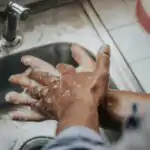
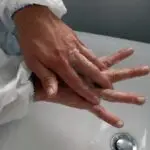
- Washing hands with soap and water
- Wearing clean clothes
- Keeping fingernails short and clean
- Washing hair regularly
- Using clean towels and handkerchiefs
Personal Development
Personal development means improving yourself in good ways. It helps us become better people and grow well. The following are ways to develop yourself:
- Learning new things
- Obeying rules
- Helping others
- Controlling anger
- Eating healthy food
- Reading books
- Practicing good manners
relationship Between Personal Hygiene and Physical Development
When we keep clean, our body grows well. Dirt and germs make us sick and weak. The following are how hygiene helps our body grow:
- It keeps the skin healthy
- It helps prevent sickness
- It makes us strong and fresh
- It helps our teeth and hair grow well
- It helps us look neat and smart
- It boosts our confidence
- It improves our overall well-being
Teaching Methods
To deliver this lesson, the teacher will adopt the following methods: Discussion, Lecture, Explanation, Storytelling, Question and Answer, demonstration, Visual Aids
Instructional Procedures
To deliver this lesson, the teacher will adopt the following steps:
Step 1: Introduction
Time: 5 mins
Teaching Skill: Set Induction
Teacher’s Activity: Tells a story about a boy who refused to bath and became sick. Asks pupils what went wrong.
Pupils’ Activity: Pupils listen to the story and share their thoughts
Step 2: Meaning of Personal Hygiene
Time: 7 mins
Teaching Skill: Explanation
teacher’s Activity: Explains personal hygiene and shows hygiene items.
Pupils’ Activity: Pupils listen and observe the materials
Step 3: Meaning of Personal Development
Time: 7 mins
Teaching Skill: Discussion
Teacher’s Activity: Discusses what personal development means and gives examples.
Pupils’ Activity: Pupils discuss and list ways they can grow themselves
Step 4: Relationship Between Hygiene and Growth
Time: 7 mins
Teaching skill: Illustration
Teacher’s Activity: Explains how hygiene helps the body grow and shows pictures of clean and dirty people.
Pupils’ Activity: pupils compare the pictures and talk about what they see
Step 5: Group Activity
Time: 5 mins
Teaching Skill: Group Work
Teacher’s Activity: Divides pupils into groups to list hygiene habits and development habits
Pupils’ Activity: Pupils work in groups and present their lists
Step 6: note-Taking
Time: 3 mins
Teaching skill: Writing
Teacher’s Activity: Guides pupils to copy notes on the board
Pupils’ Activity: Pupils copy the lesson content into their notebooks
Step 7: Evaluation/Review
Time: 3 mins
teaching Skill: Questioning
Teacher’s Activity: Asks questions based on the objectives
Pupils’ activity: Pupils answer questions orally
Objective-aligned checks:
- Explain the meaning of personal hygiene and personal development.
- Demonstrate daily personal hygiene practices.
Step 8: Conclusion
Time: 3 mins
Teaching Skill: Instructional/Cognitive/Social
Teacher’s Activity: Summarizes key points, encourages pupils to practice hygiene, and praises participation
Pupils’ Activity: Pupils listen and say what they learned
Lesson Keywords
- Hygiene – keeping clean
- Development – growing better
- Germs – tiny things that cause sickness
- Cleanliness – being neat and tidy
- Health – being strong and not sick
Lesson Evaluation
To evaluate the learning, the teacher asks pupils to:
- What is personal hygiene?
- Mention two examples of personal hygiene practices.
- What is personal development?
- Say two ways we can improve ourselves.
- List two ways hygiene helps our body grow.
- Work in pairs to identify one hygiene item and tell its use.
Assignment/Homework
- List five personal hygiene practices you do every day.
- Write down three ways you can develop yourself this week.
- Explain why it is vital to keep our surroundings clean.
Differentiation
- For slower learners: Provide simplified explanations and visual aids. Pair them with stronger learners for support during group activities.
- For advanced learners: Encourage them to research and present on different types of germs and how they affect health.
- For visual/auditory/kinesthetic learners: Use charts, real objects, and demonstrations to cater to different learning styles.
Note for Teachers
Ensure to use real-life examples and simple language. Demonstrate with real hygiene items to make learning practical.

Community Join the conversation Open discussion +