

Class: Primary One
Term: First Term
Subject: National Values Education
Curriculum Theme: Security Education
Previous Lesson:
Topic: Sources of Security
Content/Learning Area: Sources of Security, sources of Insecurity, Staying Safe
Time Allocation: 40 minutes
Performance Objectives
By the end of the lesson, pupils should be able to:
- Cognitive Domain:
1. List two examples of sources of insecurity.
2. Explain the importance of personal safety.
3. Identify ways to stay safe and avoid sources of insecurity.
- Psychomotor Domain:
1. Demonstrate safe practices in different environments.
- Affective Domain:
1. Show an understanding of the importance of personal safety.
2. Express feelings of safety and security.
- Social Domain:
1. Cooperate with others to create a safe surroundings.
Reference Materials
- 9 – Years Basic Education Curriculum
- Abuja Educational Resource Centre Scheme of Work
- NAPPS National Unified Scheme of Work
- Online Details
- Relevant Textbooks
Instructional Materials
To deliver this lesson, the teacher will use a whiteboard or chart paper, markers, and pictures depicting safe and unsafe environments.
Rationale for the Lesson
Understanding sources of security and insecurity is crucial for children’s safety and well-being. This lesson provides a foundation for making informed decisions about personal safety and avoiding perilous situations.
Prerequisite/Previous Knowledge
The teacher will begin by asking pupils to share thier feelings about safety and security. The teacher will then introduce the topic of sources of security and insecurity, prompting discussion about what makes them feel safe or unsafe.
Lesson Content
Sources of Security
Security means feeling safe and protected; it’s feeling calm and confident because we know we are safe from harm. There are many sources that provide security:
Trusted Adults
These are people we can rely on to keep us safe:
- These are people we know and trust, like our parents, teachers, or other family members. They help us feel safe and protected.
- school counselors who provide guidance and support.
- Religious leaders who offer spiritual guidance and a sense of community.
Safe Environments
These are places where we feel secure and protected:
- These are places where we feel safe and pleasant, like our homes, schools, or playgrounds.
- Community centers that offer recreational activities and a sense of belonging.
- Libraries that provide a quiet and safe space for learning and exploration.
Security Measures
These are actions and tools that help keep us safe:
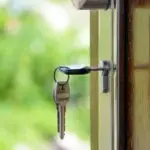
- These are things that help keep us safe, like locks on doors, security cameras, or police officers.
- Fire alarms and drills that prepare us for emergencies.
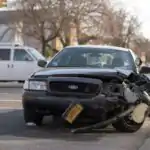
- Seatbelts in cars that protect us in case of accidents.
sources of Insecurity
Insecurity means not feeling safe or protected. It’s when we feel worried or scared because we think something bad might happen. The following are sources of insecurity:
Strangers
These are people we don’t know, and caution is needed around them:
- These are people we don’t know. It’s important to be cautious around strangers and not talk to them without permission from a trusted adult.
- people who approach you offering unsolicited gifts or favors.
- Individuals who make you feel uncomfortable or uneasy.
Unsafe Environments
These are places where we might be at risk:
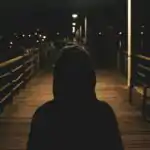
- These are places where we might not feel safe, like dark alleys, abandoned buildings, or areas with a lot of crime.
- Construction sites with heavy machinery and potential hazards.
- Crowded places where it’s easy to get lost or separated from your group.
Perilous Objects
These are items that can cause harm:
- These are things that can hurt us, like sharp objects, weapons, or poisonous substances.
- Electrical outlets and appliances that can cause shocks or burns.
- Unlabeled chemicals or medications that can be harmful if ingested.
Staying safe
It’s important to be aware of our surroundings and take steps to stay safe. Here are some tips:
- Stay with trusted adults when in public.
- Don’t talk to strangers without permission from a trusted adult.
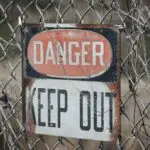
- Avoid dangerous areas.
- Be aware of your surroundings and potential dangers.
- tell a trusted adult promptly if you feel unsafe.
- Learn and practice basic self-defense techniques.
- Trust your instincts and remove yourself from uncomfortable situations.
Teaching Methods
To deliver this lesson, the teacher will adopt the following methods: Discussion, Question and Answer, Brainstorming, and Role-playing.
Instructional Procedures
To deliver this lesson, the teacher will adopt the following steps:
Step 1: Introduction
Time: 5 minutes
Teaching Skill: set Induction
Teacher’s Activity: Asks pupils to share their understanding of safety and security.
Pupils’ Activity: Share their ideas and experiences.
Step 2: Clarification of Key Concepts
Time: 10 minutes
Teaching Skill: Explaining
Teacher’s Activity: Explains the meaning of security and insecurity,providing examples.
Pupils’ Activity: Listen attentively and participate in discussions.
Step 3: Presentation/Guided Practice
Time: 10 minutes
Teaching skill: Demonstrating
Teacher’s Activity: Uses pictures and real-life examples to illustrate sources of security and insecurity.
Pupils’ Activity: Identify sources of security and insecurity in the examples.
Step 4: Independent Practice
Time: 5 minutes
Teaching Skill: Guiding
teacher’s Activity: Guides pupils in identifying safe and unsafe practices.Pupils’ Activity: Participate in a short role-playing activity.
Step 5: Note-Taking
Time: 5 minutes
Teaching Skill: Note-taking
Teacher’s Activity: Guides pupils in taking notes on key concepts.
Pupils’ Activity: Write down important points.
Step 6: Evaluation/Review
Time: 5 minutes
Teaching Skill: Questioning
Teacher’s Activity: asks questions to assess pupils’ understanding.
Pupils’ Activity: Answer questions.
Objective-aligned checks:
- List two examples of sources of insecurity.
- Explain the importance of personal safety.
- Identify ways to stay safe and avoid sources of insecurity.
Step 7: Conclusion
Time: 5 minutes
Teaching Skill: Summarizing
Teacher’s Activity: Summarizes the key concepts and reinforces the importance of personal safety.
Pupils’ Activity: Listen attentively and ask clarifying questions.
Lesson Keywords
- Security – Feeling safe and protected from harm.
- Insecurity – Feeling unsafe or threatened.
- Trusted Adult – A responsible person you can rely on for help.
- Safe Habitat – A place where you feel secure and protected.
- Stranger – Someone you do not know.
Lesson Evaluation
To evaluate the learning, the teacher asks pupils to:
- What does security mean?
- Give two examples of sources of security.
- Give two examples of sources of insecurity.
- List three tips for staying safe.
- Why is it important to be aware of your surroundings?
Assignment/Homework
- Draw a picture of a safe environment and explain why it makes you feel secure.
- Write down three things you can do to stay safe when you are not with your parents.
- Discuss with your parents or guardians the safety rules in your home and community.
differentiation
- For slower learners: provide one-on-one assistance and use simpler language.
- For advanced learners: Encourage them to research additional sources of security and insecurity.
- for visual/auditory/kinesthetic learners: Use visual aids, auditory cues, and hands-on activities to reinforce learning.
Note for Teachers
Ensure to create a supportive and inclusive classroom environment where pupils feel comfortable sharing their experiences and asking questions about safety. Emphasize the importance of seeking help from trusted adults when they feel unsafe or threatened.
Community Join the conversation Open discussion +