

Class: primary Two
Term: Third Term
Subject: national Values Education
curriculum Theme: Social Studies
Previous Lesson: ways of preventing intake of harmful substances
topic: Sources of Danger and Insecurity
Content/Learning Area: Identifying sources of insecurity, Expressing the importance of safety, Discussing ways to avoid insecurity
Time Allocation: 40 minutes
performance objectives
By the end of the lesson, pupils should be able to:
- Cognitive Domain: Identify and list at least five sources of insecurity.
- Affective Domain: Express the importance of staying safe from these dangers.
- psychomotor Domain: N/A
- Social Domain: Discuss with classmates ways to avoid these sources of insecurity.
Reference Materials
- 9 – Years Basic Education Curriculum
- Abuja Educational Resource Centre scheme of work
- NAPPS National Unified Scheme of Work
- relevant Textbooks
Instructional Materials
To deliver this lesson, the teacher will use a whiteboard or chart paper, markers, and pictures illustrating sources of danger.
Rationale for the Lesson
Understanding sources of danger and insecurity equips pupils with essential life skills to stay safe and make informed decisions, promoting their well-being and safety.
Prerequisite/Previous Knowledge
pupils should have prior knowledge of basic safety rules and the importance of staying safe.
Lesson content
Sources of Danger And insecurity
Certain things can make us feel unsafe. Knowing these helps us avoid them and stay safe. These include:
Strangers
People we don’t know can be perilous, so it’s important to be cautious around them.
These include:
- People we don’t know can be dangerous. Be cautious.
- Never talk to or go with strangers without your parents’ permission.
- Avoid accepting gifts or items from strangers.
Unsafe Places
Dark or deserted areas are risky, and it’s important to stay in safe, populated areas.
these include:
- Dark or deserted areas are risky.Stay in safe, populated areas.
- Avoid dark alleys or deserted parks.
- stay away from construction sites or abandoned buildings.
Fire
Playing with fire is dangerous, and it’s important to handle it with care.
These include:
- Playing with fire is dangerous. Never play with matches or lighters without an adult.
- Always ask an adult before starting a fire.
- Keep flammable materials away from heat sources.
Sharp Objects
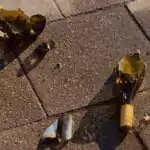
Knives and broken glass can cause injuries, so it’s important to handle them carefully.These include:
- Knives and broken glass can cause injuries. Ask an adult for help when using sharp objects.
- Never touch broken glass with bare hands.
- store sharp objects in a safe place, away from children.
Animals
Some animals, especially stray ones, can be dangerous, so it’s important to stay away from them.These include:
- Some animals, especially stray ones, can be dangerous. Stay away from them.
- Ask an adult before petting any animal.
- Avoid approaching or feeding wild animals.
Traffic
Roads can be dangerous, so it’s critically important to be careful when crossing them.
These include:
- Roads can be dangerous. Always cross at designated crosswalks and look both ways.
- Obey traffic signals and pedestrian signs.
- Avoid playing or running near roads.
Water
Bodies of water can be dangerous, so it’s critically important to take precautions when near them.
These include:
- Bodies of water can be dangerous. Never swim without adult supervision.
- Wear a life jacket when boating.
- Be aware of water depth and currents.
Harmful Substances
Drugs, alcohol, and poisons are dangerous, so it’s critically important to avoid them.
These include:
- Drugs, alcohol, and poisons are dangerous. Never touch or consume any substance without adult permission.
- Keep harmful substances out of reach of children.
- Know the dangers of inhaling or ingesting toxic substances.
Teaching Methods
To deliver this lesson, the teacher will adopt the following methods: Discussion, Question and Answer, Brainstorming.
Instructional Procedures
To deliver this lesson, the teacher will adopt the following steps:
Step 1: Introduction
Time: 5 minutes
Teaching Skill: Set Induction
Teacher’s Activity: Asks pupils to share experiences of feeling unsafe.
Pupils’ Activity: Share experiences and participate in discussion.
step 2: Explanation of Key concepts
Time: 10 minutes
Teaching Skill: Explaining
Teacher’s Activity: Explains the meaning of “sources of danger and insecurity.”
Pupils’ Activity: Listen attentively and ask clarifying questions.
Step 3: Presentation/Guided practice
Time: 10 minutes
Teaching Skill: Modeling
Teacher’s Activity: Uses examples to illustrate each source of danger.
Pupils’ Activity: Participate in discussions and provide examples.
Step 4: Independent Practice
Time: 5 minutes
Teaching Skill: Monitoring
Teacher’s Activity: Guides pupils in completing the evaluation questions.
Pupils’ Activity: Answer evaluation questions individually or in pairs.
Step 5: note-Taking
Time: 5 minutes
Teaching Skill: Summarizing
Teacher’s Activity: Summarizes key points on the board.
Pupils’ Activity: Take notes in their notebooks.
Step 6: Evaluation/Review
Time: 5 minutes
Teaching Skill: Assessing
Teacher’s Activity: Reviews answers to evaluation questions.
Pupils’ Activity: Participate in review and answer questions.
Step 7: Conclusion
Time: 5 minutes
Teaching Skill: Summarizing
Teacher’s activity: Summarizes the lesson and emphasizes the importance of staying safe.
Pupils’ Activity: Listen and ask any remaining questions.
Lesson keywords
- Strangers – People we don’t know and should be cautious around.
- Insecurity – Feeling unsafe or threatened.
- Danger – Something that can cause harm.
- Safety – Being protected from harm.
- Harmful Substances – Things like drugs, alcohol, and poisons that can hurt us.
Lesson Evaluation
To evaluate the learning, the teacher asks pupils to:
- list three sources of insecurity you learned about today.
- Why is it important to avoid strangers?
- Describe one way to stay safe from fire.
- Draw a picture of one source of danger you learned about.
- Discuss with a classmate how you can stay safe in unsafe places.
assignment/Homework
- Ask your parents or guardians about other sources of danger in your community.
- Write a short paragraph about how you can stay safe from one of the sources of danger discussed in class.
- Draw a poster illustrating safety tips for one of the sources of danger.
Differentiation
- For slower learners: Provide simplified explanations and one-on-one assistance. Use visual aids and real-life examples to reinforce understanding.
- For advanced learners: Encourage them to research additional sources of danger and share their findings with the class. Assign them to create a presentation or skit about safety measures.
- For visual/auditory/kinesthetic learners: Use pictures, videos, and interactive activities to cater to different learning styles. Incorporate role-playing and hands-on demonstrations to engage kinesthetic learners.
Note for Teachers
Ensure to create a safe and supportive classroom environment where pupils feel comfortable sharing their experiences and asking questions. Emphasize the importance of seeking help from trusted adults when faced with potentially dangerous situations. use real-life examples and scenarios to make the lesson relatable and engaging for pupils.

Community Join the conversation Open discussion +