

Class: Primary One
Term: First Term
Subject: National Values Education
Curriculum Theme: Security Education
Previous Lesson: Home Security, How to be safe at Home
Topic: Concept of Security
content/Learning Area: Concept of security, Importance of Security, Personal Safety
Time Allocation: 40 minutes
Performance Objectives
By the end of the lesson, pupils should be able to:
- Cognitive Domain:
1.Define security.
2. Identify at least two reasons why security is meaningful.
3. Explain the concept of personal safety.
- Affective Domain:
1. Show awareness of the importance of security.
2. Value personal safety.
- Psychomotor Domain:
1. Demonstrate an understanding of personal safety measures.
- Social Domain:
1. Cooperate with others to ensure safety.
Reference Materials
- 9 – Years basic Education Curriculum
- Abuja Educational Resource Center Scheme of Work
- NAPPS National Unified Scheme of Work
- Relevant Textbooks
Instructional Materials
To deliver this lesson, the teacher will use the following materials:
- Whiteboard or chart paper
- Markers or crayons
- Pictures illustrating security measures
Rationale for the Lesson
Understanding security is crucial for children’s safety and well-being. This lesson provides a foundation for future lessons on responsible citizenship and personal safety.
Prerequisite/Previous Knowledge
The teacher will begin by asking pupils about their experiences of feeling safe or unsafe. A brief discussion will follow, leading into the definition of security.
Lesson Content
Concept of Security
Security is the state of being safe and protected from harm or danger.It’s like a shield that keeps us safe.
Examples are:
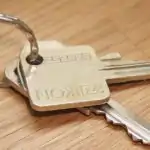
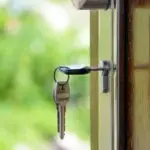
- Locks on doors and windows keep our homes and belongings safe.
- Alarms alert us to danger.
- The police help us stay safe.
- Guards at the gate of our school protect us from intruders.
- Fences around our homes keep animals and strangers away.
- Security cameras help to monitor activities around us.
- Fire extinguishers help to put out fires and keep us safe.
- Knowing emergency numbers like 112 helps us to call for help when we are in danger.
- Learning about traffic rules helps us to stay safe on the road.
- Personal safety means taking care of ourselves and being aware of our surroundings. this means taking care of ourselves and being aware of our surroundings.
Importance of Security
Security is essential for protecting individuals,properties,and maintaining peace of mind.
These include:
- Security protects our belongings from theft.
- It gives us peace of mind.
- It helps protect us from bullying.
- It keeps us and our belongings safe from harm.
- It allows us to live without fear of danger.
- It helps to maintain law and order in our communities.
- It ensures that we can go about our daily activities without worry.
- It protects our homes and schools from intruders.
- It helps to prevent accidents and injuries.
- It allows businesses to operate smoothly and without disruption.
Personal Safety
Personal safety is a big part of security. It means being aware of our surroundings and protecting ourselves.
The following are ways to ensure personal safety:
- Always tell a trusted adult where you are going.
- Don’t talk to strangers.
- Be aware of your surroundings.
- Walk in well-lit areas.
- Don’t go into dark or deserted places alone.
- If someone makes you feel uncomfortable, get away and tell a trusted adult.
- Learn basic self-defense techniques.
- Avoid sharing personal information with strangers online.
- Keep your valuables out of sight.
- Trust your instincts and avoid situations that feel unsafe.
Teaching methods
To deliver this lesson, the teacher will adopt the following methods: Discussion, Question and answer, Use of visual aids
Instructional Procedures
To deliver this lesson, the teacher will adopt the following steps:
Step 1: introduction (Set Induction)
Time: 5 minutes
Teaching Skill: Questioning
Teacher’s Activity: Ask pupils about their feelings of safety and introduce the topic of security.
Pupils’ Activity: Share their experiences and listen to the introduction.
Step 2: Description of Key Concepts
Time: 10 minutes
Teaching Skill: Explanation
Teacher’s Activity: Explain the concept of security and its importance using examples.
Pupils’ Activity: Listen attentively and ask clarifying questions.
Step 3: Exhibition/Guided Practice
Time: 10 minutes
Teaching Skill: Demonstration
Teacher’s Activity: Show pictures illustrating security measures and discuss their importance.
Pupils’ Activity: Observe and participate in the discussion.
Step 4: Independent Practice
Time: 5 minutes
Teaching Skill: Guided Practice
Teacher’s Activity: Ask pupils to identify security measures in their homes and schools.
Pupils’ Activity: Identify and share their observations.
Step 5: Note-Taking
Time: 5 minutes
Teaching Skill: Note-Taking
teacher’s Activity: Guide pupils in taking notes on key concepts.
Pupils’ activity: write down important points.
Step 6: Evaluation/Review
Time: 5 minutes
Teaching Skill: Questioning
Teacher’s Activity: Ask review questions to assess understanding.
Pupils’ Activity: Answer the questions.
Objective-aligned checks:
- Define security.
- Identify at least two reasons why security is meaningful.
- Explain the concept of personal safety.
Step 7: Conclusion
Time: 2 minutes
Teaching Skill: Summarizing
Teacher’s activity: Summarize the key points and remind pupils of the importance of security and personal safety.Pupils’ Activity: Listen to the summary and ask any remaining questions.
Lesson Keywords
- Security – Being safe and protected from harm or danger.
- Personal Safety – Taking care of ourselves and being aware of our surroundings.
- Trusted Adult – A grown-up you can rely on and talk to about your problems.
- Surroundings – The things and places around you.
- Harm – Physical or emotional damage.
Lesson Evaluation
To evaluate the learning, the teacher asks pupils to:
- What are two reasons why security is important?
- Why is personal safety important?
- Give an example of a security measure.
- What can you do to stay safe outside?
- Why is it important to tell a trusted adult where you are going?
Assignment/Homework
- Draw a picture of a security measure in your home.
- Write down three things you can do to stay safe at school.
- Ask your parents about the security measures they take at home.
Differentiation
- for slower learners: Provide one-on-one assistance and use simpler language.
- For advanced learners: Encourage them to research additional security measures.
- For visual/auditory/kinesthetic learners: Use visual aids, discussions, and hands-on activities to cater to diffrent learning styles.
Note for Teachers
Ensure to use real-life examples and scenarios to make the lesson relatable and engaging for the pupils.Emphasize the importance of reporting any safety concerns to a trusted adult.


Community Join the conversation Open discussion +