

Class: Primary 4
Term: 3rd Term
Week: 10
Age: 10 years
Duration: 40 minutes
Subject: Christian Religion Studies
Curriculum Theme: Christian Religion Studies
Previous Lesson: People In Need Of Help
Topic: How To Help Others
Content/Learning Area: Ways we can help the needy around us
Performance Objectives
By the end of the lesson, pupils should be able to:
Cognitive Domain:
- Explain who the needy are and state how we can help them.
Affective Domain:
2. Show care and concern for the needs of others in the class and community.
Psychomotor Domain:
3. Draw or identify pictures of people helping others.
Social Domain:
4. Work in groups to role-play scenarios of helping the needy.
Reference Materials
The following resources were used in planning this lesson:
- 9 Years Basic Education Curriculum
- Abuja Educational Resource Centre Scheme of Work
- NAPPS National Unified Scheme of Work
- Online Information from: bonyan – Ways To Help The Poor And Needy
- Relevant Textbooks
Instructional Materials
The teacher will teach this lesson with the aid of:
- Bible
- Pictures showing acts of kindness and giving
- Role-play cards
- Flash cards of key terms
- Chart showing ways to help the needy
- Drawing materials
Rationale for the Lesson
To help pupils understand the importance of helping others and how they can show kindness and support to the needy in their environment.
Prerequisite/Previous Knowledge
Pupils have heard Bible stories and teachings about kindness and helping others in previous lessons.
Lesson Content
How To Help Others
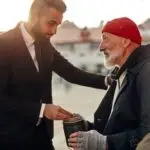
Helping others means showing love and care to people who are in need. We can help them with our time, money, or kind actions. Jesus taught us to love and help one another.
Memory Verse: Give to the needy, and do not let your left hand know what your right hand is doing. — Matthew 6:3
Bible Readings
- Luke 10:25–37
- Matthew 25:34–40
- Galatians 6:2
Ways We Can Help the Needy Around Us
The following are simple ways we can help those in need:
- Share food and drinks with hungry people
- Give clothes and shoes we no longer use
- Visit and pray for the sick
- Help our classmates with schoolwork
- Give money to those who need help
- Say kind words and listen to them
- Help old people carry their things
- Clean and tidy places for others
- Share toys or books with those who don’t have
- Join community clean-up and charity activities
Lessons From the Good Samaritan
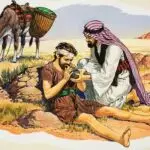
The story of the Good Samaritan teaches us to love everyone, even strangers. We must not ignore people in trouble but help them if we can. Helping others pleases God.
Teaching Methods
To deliver this lesson, the teacher will adopt the following methods: Storytelling, Explanation, Discussion, Role-play, Visual Aids, Group Work
Instructional Procedures
To deliver this lesson, the teacher will adopt the following steps:
Step 1: Introduction
Time: 5 mins
Teaching Skill: Set Induction
Teacher’s Activity: Shows a picture of a boy helping a blind man and asks pupils what is happening
Pupils’ Activity: Pupils observe, respond to questions, and share their thoughts
Learning Point: Activates prior knowledge about kindness
Step 2: Who Are the Needy?
Time: 6 mins
Teaching Skill: Explanation
Teacher’s Activity: Explains the meaning of “needy” and gives examples of people in need
Pupils’ Activity: Pupils listen and give more examples
Learning Point: Understands the meaning of the needy
Step 3: The Good Samaritan
Time: 7 mins
Teaching Skill: Storytelling
Teacher’s Activity: Tells the story of the Good Samaritan from Luke 10:25–37 and explains it
Pupils’ Activity: Pupils listen and answer questions about the story
Learning Point: Learns a Bible example of helping others
Step 4: Ways We Can Help Others
Time: 7 mins
Teaching Skill: Explanation, Visuals
Teacher’s Activity: Uses a chart to explain and show pictures of helping actions listed in the content
Pupils’ Activity: Pupils identify and discuss each way, suggesting more if possible
Learning Point: Knows different ways to help people
Step 5: Role-Play Activities
Time: 5 mins
Teaching Skill: Group Work
Teacher’s Activity: Divides pupils into groups to act out helping scenarios
Pupils’ Activity: Pupils perform short role-plays
Learning Point: Demonstrates understanding through action
Step 6: Note Taking
Time: 3 mins
Teaching Skill: Writing
Teacher’s Activity: Writes notes on the board and guides pupils to copy
Pupils’ Activity: Pupils write lesson notes in their books
Learning Point: Reinforces content through writing
Step 7: Evaluation
Time: 4 mins
Teaching Skill: Assessment
Teacher’s Activity: Asks oral questions based on the topic and activities
Pupils’ Activity: Pupils answer questions
Learning Point: Checks pupils’ comprehension
Step 8: Conclusion
Time: 3 mins
Teaching Skill: Instructional, Social
Teacher’s Activity: Recaps lesson and encourages pupils to help others daily
Pupils’ Activity: Pupils repeat key points and sing a song on helping others
Learning Point: Reinforces moral values and care for others
Home Task: Write three lessons learned about How To Help Others and one suitable way to apply the teaching responsibly.
Lesson Keywords
- Needy – People who lack basic things like food, clothes, or shelter
- Kindness – Being good and helpful to others
- Charity – Giving help to the poor and needy
- Love – Deep care for others shown in actions
- Good Samaritan – A man in the Bible who helped a stranger in need
Lesson Evaluation
To evaluate the learning, the teacher asks pupils to:
- Who are the needy?
- Mention two ways we can help others.
- What did the Good Samaritan do?
- Say the memory verse.
- Mention one thing you will do this week to help someone.
Differentiation
The teacher will support all learners using pictures, simple explanations, repetition, group activities, and peer support to help every pupil understand and participate.
Note for teachers using this lesson plan
Use real-life examples and allow pupils to share experiences of helping. Reinforce that helping others pleases God and brings joy. Use the Bible stories to build empathy and godly character.


Community Join the conversation Open discussion +