

Class: Primary 4
Term: 3rd Term
Week: 2
Age: 10 years
Duration: 40 minutes
Subject: Christian Religion Studies
Curriculum Theme: Christian Religion Studies
Previous Lesson: God And Our Talents
Topic: Gifts Are From God
Content/Learning Area: How gifts and abilities come from God.
Performance Objectives
By the end of the lesson, pupils should be able to:
Cognitive Domain: Explain that all gifts and abilities come from God and state why God gives us gifts.
Affective Domain: Show appreciation for the gifts God has given them and respect the gifts of others.
Psychomotor Domain: Identify and name their own God-given gifts or talents through class activities.
Social Domain: Cooperate with peers during group discussions and sharing of talents.
Reference Materials
The following resources were used in planning this lesson:
- 9 Years Basic Education Curriculum
- Abuja Educational Resource Centre Scheme of Work
- NAPPS National Unified Scheme of Work
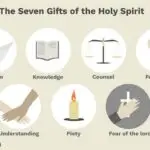
- Online Information from: wikipedia – Seven gifts of the Holy Spirit
- Relevant Textbooks
Instructional Materials
The teacher will teach this lesson with the aid of:
- Bible
- Flash cards with different talents written on them
- Pictures or drawings of people using their gifts
- Charts with Bible verses on gifts
- Chalkboard and chalk
Rationale for the Lesson
To help pupils understand that all gifts and talents come from God and are meant to be used for His glory and the good of others.
Prerequisite/Previous Knowledge
Pupils have seen people using their talents in school, church, or home and can identify simple abilities in themselves and others.
Lesson Content
Gifts Are From God
God gives everyone special gifts or talents. These gifts help us do different things well. Some people can sing, others can draw, teach, or care for others. These gifts come from God and should be used to make others happy and to please God.
Memory Verse: Every good and perfect gift is from above, coming down from the Father of the heavenly lights. — James 1:17
Bible Readings
- Romans 12:6–8
- 1 Corinthians 12:4–11
- Matthew 25:14–30
In the Bible, God gave different people special gifts. For example, in Exodus 31:2–5, God gave Bezalel the gift of craftsmanship to build the temple. In the New Testament, God gave the disciples gifts to teach, heal, and serve others.
Reasons God Gives Us Gifts
The following are reasons God gives us gifts:
- To help other people
- To glorify God
- To build up the church and community
- To do good work in the world
- To show God’s love
Examples of Gifts from God
These include:
- Singing
- Drawing or painting
- Teaching or preaching
- Caring for others
- Playing musical instruments
- Cooking well
- Helping people
- Organising things
- Writing
- Solving problems
Importance of Using Our Gifts
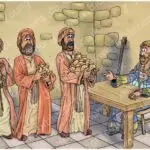
We should not hide or waste our gifts. In Matthew 25:14–30, Jesus told the story of the servants and the talents. One servant hid his talent and was punished. The others used their talents and were rewarded. This shows that God wants us to use our gifts well.
Teaching Methods
To deliver this lesson, the teacher will adopt the following methods: Storytelling, Discussion, Explanation, Group Work, Visual Aids, Question and Answer
Instructional Procedures
To deliver this lesson, the teacher will adopt the following steps:
Step 1: Introduction
Time: 5 mins
Teaching Skill: Set Induction
Teacher’s Activity: Tells a short story about a child who discovers her gift of singing and helps her family
Pupils’ Activity: Pupils listen attentively and answer simple questions
Learning Point: Builds curiosity and links lesson to real life
Step 2: Meaning of Gifts from God
Time: 5 mins
Teaching Skill: Explanation
Teacher’s Activity: Explains the meaning of gifts from God with Bible examples
Pupils’ Activity: Pupils listen and ask questions
Learning Point: Understands what gifts from God are
Step 3: Reasons God Gives Us Gifts
Time: 7 mins
Teaching Skill: Explanation
Teacher’s Activity: Reads selected verses, explains why God gives gifts using simple examples
Pupils’ Activity: Pupils identify gifts and match them with reasons
Learning Point: Learns purpose of gifts
Step 4: Examples of Gifts
Time: 6 mins
Teaching Skill: Demonstration
Teacher’s Activity: Shows flashcards of different talents and explains each one briefly
Pupils’ Activity: Pupils say what they are good at and discuss in pairs
Learning Point: Can name common gifts
Step 5: Importance of Using Gifts
Time: 5 mins
Teaching Skill: Storytelling
Teacher’s Activity: Narrates the Parable of Talents from Matthew 25:14–30 and asks reflective questions
Pupils’ Activity: Pupils answer and discuss what they learned from the parable
Learning Point: Learns not to waste their gifts
Step 6: Note Taking
Time: 5 mins
Teaching Skill: Writing
Teacher’s Activity: Writes short notes on board for pupils to copy into their notebooks
Pupils’ Activity: Pupils copy notes carefully
Learning Point: Retains lesson through writing
Step 7: Evaluation
Time: 5 mins
Teaching Skill: Assessment
Teacher’s Activity: Asks questions and tasks based on objectives
Pupils’ Activity: Pupils respond to questions and share their talents
Learning Point: Checks understanding
Step 8: Conclusion
Time: 2 mins
Teaching Skill: Cognitive, Social
Teacher’s Activity: Recaps the lesson, encourages pupils to value their gifts and use them wisely
Pupils’ Activity: Pupils share one thing they learned and one gift they have
Learning Point: Reinforces importance of gifts from God
Home Task: Write three lessons learned about Gifts Are From God and one suitable way to apply the teaching responsibly.
Lesson Keywords
- Gift – A special ability given by God
- Talent – Something you can do very well
- Ability – A skill or power to do something
- Serve – To help or work for others
- Glorify – To honour or praise God
Lesson Evaluation
To evaluate the learning, the teacher asks pupils to:
- What are gifts from God?
- Mention one Bible verse that talks about gifts.
- State one reason why God gives us gifts.
- List three examples of gifts God gives.
- What happened to the servant who hid his talent?
- Mention one gift you think you have and how you can use it to help others.
Differentiation
The teacher will support all learners by using pictures, flashcards, group discussions, and real-life examples to help them understand. Pupils with difficulty expressing themselves can draw or demonstrate their gifts.
Note for teachers using this lesson plan
Encourage pupils to recognize their strengths and affirm each other’s talents. Give room for all pupils to share without judgement. Use songs and visuals where possible to keep them engaged.
Community Join the conversation Open discussion +