

Class: Primary Three
Term: Second Term
Subject: pre-vocational Studies
Curriculum Theme: Home Economics
Previous Lesson: Care of Rooms
Topic: Cleaning The Sitting Room
Content/Learning Area: what is Cleaning The Sitting room?, Materials Needed, Steps involved
Time Allocation: 40 minutes
Performance Objectives
By the end of the lesson, pupils should be able to:
- Cognitive Domain:
1.Identify and list materials needed for cleaning the sitting room.
2. Explain the importance of maintaining a clean sitting room.
3. Describe the steps involved in cleaning the sitting room.
- Affective Domain:
1. Appreciate the importance of a clean sitting room.
2. Develop a positive attitude towards cleaning.
- psychomotor Domain:
1. Demonstrate the proper use of cleaning materials.
2.Show the steps involved in cleaning the sitting room.
- Social Domain:
1. Work cooperatively during cleaning activities.
2. Share cleaning responsibilities.
Reference Materials
- 9 – Years Basic Education Curriculum
- Abuja Educational Resource Center Scheme of Work
- NAPPS National Unified Scheme of Work
- relevant Textbooks
Instructional Materials
To deliver this lesson, the teacher will use the following materials: a broom, dustpan, cleaning cloth, bucket, soap, and pictures/illustrations of a clean and dirty sitting room.
Rationale for the Lesson
This lesson teaches practical life skills essential for maintaining a clean and healthy home environment. Understanding cleaning procedures promotes hygiene and contributes to a positive living space.
Prerequisite/Previous Knowledge
The teacher will begin by asking pupils to describe their sitting rooms.The teacher will then ask what makes a sitting room look clean or dirty, prompting discussion about cleanliness and its importance.
Lesson Content
What is Cleaning The Sitting Room?
Cleaning the sitting room involves removing dirt, dust, and clutter to make it agreeable and inviting. It’s an notable task for a healthy home.
Materials Needed
These include:
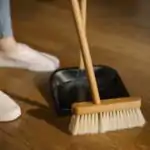
- Broom: For sweeping dust and dirt.
- Dustpan: For collecting swept dirt.
- Cleaning cloth: For dusting surfaces.
- Bucket: For carrying water.
- Soap: For cleaning surfaces.
- Mop: For cleaning floors.
- Disinfectant: For killing germs on surfaces.
steps Involved
They are:
- Sweep the Floor: Remove dust and dirt using a broom.
- Collect Dirt with a Dustpan: Collect and dispose of the swept dirt.
- Dust Surfaces: Dust tables, shelves, and electronic devices with a cleaning cloth.
- Arrange and Organise: Put back items and organize accessories.
- Mop the Floor (if necessary): Mop the floor with soap and water if needed.
- Vacuum Carpets and Rugs: Use a vacuum cleaner to remove dirt and debris from carpets and rugs.
- empty Trash Bins: Regularly empty trash bins to prevent odors and maintain cleanliness.
Teaching Methods
To deliver this lesson, the teacher will adopt the following methods: Discussion, Exhibition, and Practical Activity.
Instructional Procedures
To deliver this lesson, the teacher will adopt the following steps:
Step 1: Introduction
Time: 5 minutes
Teaching Skill: Set Induction
Teacher’s Activity: Asks pupils to describe their sitting rooms and what makes a sitting room clean or dirty.
Pupils’ Activity: Respond to the teacher’s questions, sharing their observations and ideas.
Step 2: Description of Key Concepts
Time: 10 minutes
Teaching skill: Description,Discussion
Teacher’s Activity: Explains the importance of a clean sitting room and introduces the materials needed for cleaning.
Pupils’ Activity: Listen attentively and ask clarifying questions.
Step 3: Demonstration/Guided Practice
time: 15 minutes
Teaching Skill: Demonstration, Guided Practice
Teacher’s Activity: Demonstrates the steps involved in cleaning the sitting room using the instructional materials.
Pupils’ Activity: Observe the demonstration and participate in guided practice under the teacher’s supervision.
Step 4: Self-reliant Practice
Time: 5 minutes
Teaching Skill: Monitoring, Feedback
Teacher’s Activity: Supervises pupils as they independently clean a designated area of the classroom.
Pupils’ Activity: Apply the learned steps to clean a designated area.
Step 5: Note-Taking
time: 2 minutes
Teaching Skill: Note-Taking
Teacher’s Activity: Guides pupils in taking notes on the key steps and materials used in cleaning the sitting room.
Pupils’ Activity: Write down key points in their notebooks.
Step 6: Evaluation/review
Time: 3 minutes
Teaching Skill: Questioning, Feedback
Teacher’s Activity: Asks evaluation questions to assess pupils’ understanding.
Pupils’ Activity: Answer the evaluation questions.
Objective-aligned checks:
- Identify and list materials needed for cleaning the sitting room.
- Explain the importance of maintaining a clean sitting room.
- Describe the steps involved in cleaning the sitting room.
Step 7: Conclusion
Time: 2 minutes
Teaching Skill: Summarizing
Teacher’s Activity: Summarizes the key points of the lesson and assigns homework.
Pupils’ Activity: Listen to the summary and note the homework assignment.
Lesson Keywords
- Cleaning – The process of removing dirt, dust, and clutter.
- Sitting Room – A room in a house used for relaxing and entertaining guests.
- Hygiene – Practices that promote cleanliness and health.
- Materials – Items needed to perform a task.
- Steps – A series of actions taken to achieve a goal.
Lesson Evaluation
to evaluate the learning, the teacher asks pupils to:
- what are two materials needed for cleaning the sitting room?
- What are three steps involved in cleaning the sitting room?
- Why is it important to keep the sitting room clean?
- Can you describe how to dust a table properly?
- What are some ways to make cleaning the sitting room more enjoyable?
Assignment/Homework
- List five materials commonly used for cleaning a sitting room.
- Describe the steps you woudl take to clean your sitting room at home.
- Explain why it is important to regularly clean the sitting room.
Differentiation
- For slower learners: Provide one-on-one assistance and break down the cleaning steps into smaller, more manageable tasks.
- For advanced learners: Encourage them to identify additional cleaning materials and methods.
- For visual/auditory/kinesthetic learners: Use visual aids, verbal instructions, and hands-on activities to cater to different learning styles.
Note for Teachers
Ensure all cleaning materials are safe for pupils to use and that proper supervision is provided during practical activities. Emphasize the importance of teamwork and sharing responsibilities when cleaning.


Community Join the conversation Open discussion +