

Class: Primary Two
Term: Second Term
Subject: Cultural & Creative Arts
Curriculum Theme:
Previous Lesson: Melodic Pattern of Music
Topic: Song Formation
Content/Learning Area: Elements involved in the formation of songs,Cultural importance of songs in social activities,Basic rhythmic movements related to songs,collaboration in forming a simple song
Time Allocation: 40 minutes
Performance Objectives
By the end of the lesson,pupils should be able to:
- Cognitive Domain:
1. Identify the elements involved in the formation of songs.
2. Explain the cultural significance of songs in social activities.
- Affective Domain:
1. Appreciate the cultural significance of songs.
- Psychomotor Domain:
1. Demonstrate basic rhythmic movements related to songs.
- Social Domain:
1. Collaborate with peers in forming a simple song.
Reference Materials
- 9 – Years Basic Education Curriculum
- Abuja educational Resource Center scheme of Work
- NAPPS National Unified scheme of Work
- Relevant Textbooks
Instructional Materials
To deliver this lesson,the teacher will use the following materials:
- Whiteboard or chart paper
- Markers or crayons
- Musical instruments (optional)
Rationale for the Lesson
Understanding song formation helps pupils appreciate music and culture. It encourages creativity and teamwork, skills valuable throughout life.
Prerequisite/Previous Knowledge
The teacher will start by asking pupils to sing a familiar song. This will engage them and create a positive learning habitat. The teacher will then introduce the topic of song formation.
Lesson Content
Songs
Songs are a vital part of our culture, bringing people together, expressing emotions, and sharing stories. But how are songs created?
What is Song Formation?
Song formation is the process of creating a song. It involves combining different elements to create a complete musical piece.
Elements of Songs
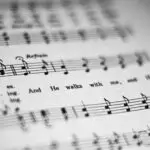
Songs are made up of several key elements that work together to create a complete musical piece. These include:
- Melody: The tune or musical line of the song.Think of a catchy tune that gets stuck in your head!
- Lyrics: The words or poetry of the song. they tell a story, express feelings, or share ideas.
- Rhythm: the beat or pattern of sounds. It’s what makes you tap your feet or clap along.
- Instruments: Some songs use instruments like drums, guitars, or pianos, adding extra sounds. Other examples include the keyboard,flute,and saxophone.
Social Activities and Song Formation
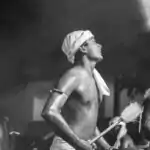
Songs frequently arise during social activities. People might create songs during celebrations, games, or storytelling to enhance the experience. These include:
- Children might sing while playing.
- People might sing at a birthday party.
- Singing during cultural festivals.
- Singing during religious gatherings.
collaboration in Song Formation
Many songs are created through collaboration.Friends, family, or a community might contribute ideas for the melody, lyrics, and rhythm.
Teaching Methods
To deliver this lesson, the teacher will adopt the following methods: Discussion, Exhibition, Group activity
Instructional Procedures
To deliver this lesson, the teacher will adopt the following steps:
step 1: Introduction
Time: 5 minutes
Teaching Skill: Set Induction
Teacher’s Activity: Asks pupils to sing a familiar song and introduces the topic of song formation.
pupils’ Activity: Sing a song and listen to the introduction.
Step 2: Description of Key Concepts
Time: 10 minutes
Teaching Skill: Explanation
Teacher’s Activity: Explains the elements of song formation (melody,lyrics,rhythm,instruments).
Pupils’ Activity: Listen attentively and ask questions.
Step 3: Demonstration/Guided Practice
Time: 10 minutes
Teaching Skill: Demonstration
Teacher’s Activity: Demonstrates how to create a simple song, focusing on melody, lyrics, and rhythm.
Pupils’ Activity: observe the demonstration and participate in guided practice.
Step 4: Autonomous Practice
Time: 10 minutes
Teaching skill: Monitoring
Teacher’s Activity: Guides pupils as they work in groups to create their own simple songs.
Pupils’ Activity: Work in groups to create songs, using the elements learned.
Step 5: Note-Taking
Time: 2 minutes
Teaching Skill: Note-taking
Teacher’s Activity: Guides pupils in summarizing key concepts.
Pupils’ Activity: Take notes on key concepts.
Step 6: Evaluation/Review
Time: 3 minutes
Teaching Skill: Questioning
Teacher’s Activity: Asks review questions to assess understanding.Pupils’ Activity: answer review questions.
Objective-aligned checks:
- Identify the elements involved in the formation of songs.
- Explain the cultural significance of songs in social activities.
- Demonstrate basic rhythmic movements related to songs.
Step 7: Conclusion
Time: 2 minutes
Teaching Skill: Summarizing
Teacher’s Activity: Summarizes the key concepts and has pupils share their created songs with the class.
Pupils’ Activity: listen to the summary and share their songs.
Lesson Keywords
- Melody – The tune or musical line of the song.
- Lyrics – The words or poetry of the song.
- Rhythm – The beat or pattern of sounds.
- Instruments – Tools used to create musical sounds.
- Collaboration – Working together to create something.
Lesson Evaluation
To evaluate the learning, the teacher asks pupils to:
- What are the main parts of a song?
- How do songs make social events more fun?
- Can you name a song and describe its melody and rhythm?
- What instruments can be used in songs?
- How can you work with friends to make a song?
Assignment/Homework
- Find a song you like and write down the lyrics.
- Identify the rhythm of the song.
- What is the song about?
Differentiation
- For slower learners: Provide one-on-one assistance.
- For advanced learners: Challenge them to create more complex songs.
- For visual/auditory/kinesthetic learners: Use visual aids, play songs, and encourage movement.
Note for Teachers
encourage pupils to express their creativity and work together. Provide constructive feedback and celebrate their efforts.

Community Join the conversation Open discussion +