

Class: Primary 6
Term: 2nd Term
Subject: National Values education
Curriculum Theme: Social Studies
Previous Lesson: Disadvantages Of Foreign Influence On Our Culture
Topic: ways of Promoting Our Culture
Content/learning Area: Ways of Promoting Our Culture, emphasizing the importance of preserving traditions, language, and customs to maintain cultural identity.
Time Allocation: 40 minutes
Performance objectives
by the end of the lesson, pupils should be able to:
- cognitive Domain: Define culture and explain its significance.
- Affective Domain: Appreciate and respect the importance of preserving their cultural heritage.
- Psychomotor Domain: Demonstrate cultural appreciation through role-play or storytelling.
- Social Domain: Encourage friends and family to uphold positive cultural values.
Reference Materials
The following resources were used in planning this lesson:
- 9 – Years Basic Education Curriculum
- Abuja Educational Resource center Scheme of Work
- NAPPS National Unified Scheme of Work
- Online Information from: Naira land – Basic Ways To Promote And Preserve The Nigerian Culture
- Relevant Textbooks
Instructional Materials
To deliver this lesson, the teacher will use the following materials:
- Charts showing different aspects of culture
- Videos or pictures of customary festivals
- Audio recordings of folk songs and stories
- Cultural artifacts (e.g., traditional clothing, musical instruments)
Rationale for the Lesson
Understanding ways to promote our culture helps pupils develop a strong sense of identity, pride, and appreciation for their traditions. It also encourages them to preserve and pass down cultural values to future generations.
Prerequisite/Previous Knowledge
Pupils are familiar with different aspects of Nigerian culture, such as food, language, dressing, and traditional celebrations.
Lesson Content
ways of Promoting Our Culture
Culture refers to the way of life of a group of people, including their customs, traditions, beliefs, food, language, and way of dressing. Promoting our culture helps to preserve our heritage and ensure that future generations appreciate and continue thes traditions. the following are some ways to promote our culture:
- Speaking Our Native Language – Encouraging the use of indigenous languages at home, in schools, and in the community.
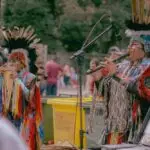
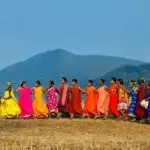
- Wearing Traditional Attire – Dressing in cultural outfits during special occasions, festivals, school cultural days, and religious events.
- Practicing Cultural Dances and Songs – Learning and performing traditional dances and folk songs during events, ceremonies, and cultural gatherings.
- Celebrating Local Festivals – Participating in and promoting local cultural festivals to keep traditions alive, showcase heritage, and foster community spirit.
- Teaching Cultural Values – Parents and elders passing down customs, proverbs, moral lessons, and traditional stories to children.
- Supporting Local arts and Crafts – Buying and using locally made crafts, artworks, traditional items, and supporting local artisans.
- Promoting Traditional Cuisine – Cooking and sharing traditional dishes, teaching others how to prepare them, and supporting local food vendors.
- Preserving Historical Sites – Visiting,maintaining,and promoting historical sites and monuments that represent our cultural heritage.
Teaching methods
To deliver this lesson, the teacher will adopt the following methods: Interactive lecture,Discussion,Storytelling,Examples,Group Brainstorming,Role-play,Demonstration.
Instructional Procedures
To deliver this lesson, the teacher will adopt the following steps:
Step 1: Introduction
Time: 5 mins
Teaching Skill: Set Induction
Teacher’s Activity: Asks pupils to mention different aspects of Nigerian culture they know.
Pupils’ Activity: Pupils respond by naming cultural elements like dressing, food, and language.
Step 2: Explanation of Culture
Time: 7 mins
Teaching Skill: Explanation
Teacher’s Activity: Explains the meaning of culture and its importance using real-life examples.
Pupils’ Activity: Listen attentively and ask questions where necessary.
Step 3: ways of Promoting Culture
Time: 8 mins
Teaching Skill: Discussion
Teacher’s Activity: Guides pupils to discuss different ways they can promote culture.
Pupils’ Activity: Participate actively by giving their own ideas.
step 4: Demonstration
Time: 7 mins
Teaching Skill: Practical activity
Teacher’s Activity: Encourages pupils to sing a folk song, act out a cultural scene, or demonstrate traditional dressing.
Pupils’ Activity: Engage in the role-play or demonstration.
Step 5: Note-Taking
Time: 5 mins
Teaching Skill: writing Activity
Teacher’s Activity: Writes key points on the board and asks pupils to copy them.
Pupils’ Activity: Copy notes neatly in their books.
Step 6: Evaluation/Review
Time: 5 mins
Teaching Skill: Oral Questioning
Teacher’s Activity: asks questions based on the lesson content.
pupils’ Activity: Answer the questions correctly.
Objective-aligned checks:
- Define culture and explain its significance.
- Demonstrate cultural appreciation through role-play or storytelling.
Step 7: Conclusion
Time: 3 mins
Teaching Skill: Summarization
Teacher’s Activity: Summarizes the lesson and encourages pupils to practice what they learned.
Pupils’ Activity: Listen attentively and share what they have learned.
Lesson Keywords
- culture – The way of life of a group of people, including their customs, traditions, and beliefs.
- Tradition – Customs or beliefs passed down from generation to generation.
- Heritage – The cultural legacy and historical background of a group or nation.
- Promotion – Activities aimed at supporting or encouraging the growth or progress of something.
- Preservation – The act of protecting something from harm or destruction.
Lesson Evaluation
To evaluate the learning, the teacher asks pupils to:
- Define culture in their own words.
- List three ways we can promote our culture.
- Mention one cultural festival celebrated in Nigeria.
- Explain why speaking our native language is vital.
- How can we encourage our friends to appreciate our culture?
Assignment/Homework
- Research and write about a local cultural festival in your community.
- Interview an elder in your family about traditional customs and values.
- Create a poster promoting the use of your native language.
- Dress in traditional attire and explain its significance to the class.
- Write a short story about a traditional folktale from your culture.
Differentiation
- For slower learners: Use visual aids, real-life examples, and repetition to reinforce concepts.
- For advanced learners: Encourage them to research and present additional ways of promoting culture.
- For kinesthetic learners: Engage them in role-play and cultural demonstrations.
Note for Teachers
Ensure that pupils actively participate in discussions and cultural demonstrations. Relate the lesson to their daily experiences by encouraging them to share their cultural backgrounds. Promote cultural appreciation through fun activities like folk storytelling or showcasing traditional attire. Happy teaching!


Community Join the conversation Open discussion +