

Class: Primary One
Term: First Term
Subject: Cultural & Creative Arts
Curriculum theme:
Previous Lesson: Uses of Art Materials
topic: Functional Art
Content/Learning Area: What is functional Art?,Examples of Functional Art
Time Allocation: 40 minutes
Performance Objectives
By the end of the lesson,pupils should be able to:
- Cognitive domain:
1. Explain what functional art is.
2. Identify examples of functional art.
- Affective Domain:
1. Appreciate the beauty and usefulness of functional art.
- Psychomotor Domain:
1. Not applicable for this lesson.
- Social Domain:
1. participate actively in class discussions.
Reference Materials
- 9 – Years Basic Education curriculum
- Abuja Educational Resource center scheme of Work
- NAPPS National Unified Scheme of Work
- Relevant Textbooks
Instructional Materials
To deliver this lesson,the teacher will use the following materials:
- Whiteboard or chart paper
- Markers or crayons
- pictures of functional art objects
Rationale for the lesson
Understanding functional art helps pupils appreciate the design and purpose of everyday objects. This knowledge fosters creativity and an understanding of how art integrates into daily life.
Prerequisite/Previous Knowledge
The teacher will start by asking pupils what they use every day. The teacher will then introduce the concept of functional art as things that are both useful and beautiful.
Lesson Content
What is Functional art?
Functional art is a type of art that serves a purpose beyond just looking nice. It’s art that is both useful and beautiful.
Examples of Functional Art
Functional art includes items that are both aesthetically pleasing and serve a practical purpose. Thes include:
Chairs
Chairs are designed to provide seating and come in many styles and materials.
Tables
Tables are surfaces for eating, working, or displaying things. they come in different shapes, sizes, and materials.
Bookshelves
Bookshelves store and organize books, but they can also be decorative.
Clocks
clocks tell time, but they can also be beautiful works of art.
Lamps
Lamps provide light and can be stylish and decorative.
Baskets
Baskets are used for storage and carrying items, often made from woven materials.
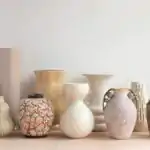
Pottery
pottery items like bowls and vases can be both decorative and functional for holding items.
Textiles
Textiles such as blankets and rugs provide warmth and comfort while adding aesthetic value to a space.
Teaching Methods
To deliver this lesson, the teacher will adopt the following methods: Discussion, Question and answer, Show and tell.
instructional Procedures
To deliver this lesson, the teacher will adopt the following steps:
Step 1: Introduction
Time: 5 minutes
Teaching Skill: Set Induction
Teacher’s Activity: Ask pupils to name everyday objects.
Pupils’ Activity: Respond to the teacher’s questions.
Step 2: Clarification of Key Concepts
Time: 10 minutes
Teaching Skill: Explaining
Teacher’s Activity: Define functional art and give examples.
Pupils’ Activity: Listen attentively and ask questions.
Step 3: Demonstration/Guided Practice
time: 10 minutes
Teaching skill: Demonstrating
Teacher’s Activity: Show pictures of functional art and discuss their features.
Pupils’ Activity: Observe and participate in discussions.
Step 4: Self-reliant Practice
Time: 5 minutes
Teaching Skill: Monitoring
Teacher’s Activity: Ask pupils to name more examples of functional art.
Pupils’ Activity: Identify and name examples of functional art.
Step 5: Note-Taking
Time: 5 minutes
Teaching Skill: Guiding
Teacher’s Activity: Guide pupils in writing down key points about functional art.
Pupils’ Activity: Write down notes.
Step 6: Evaluation/Review
Time: 5 minutes
Teaching Skill: Assessing
Teacher’s activity: Ask evaluation questions.Pupils’ Activity: Answer the evaluation questions.
Objective-aligned checks:
- Explain what functional art is.
- Identify examples of functional art.
Step 7: Conclusion
Time: 5 minutes
Teaching Skill: Summarizing
Teacher’s Activity: Summarize the key points about functional art and encourage pupils to look for examples of functional art in their surroundings.
Pupils’ Activity: Listen to the summary and reflect on the lesson.
Lesson Keywords
- Functional Art – Art that is both useful and beautiful.
- Aesthetic – Concerned with beauty or the thankfulness of beauty.
- Purpose – The reason for which something is done or created.
- Decorative – Serving to make something look more attractive; ornamental.
- Everyday Objects – Common items used in daily life.
Lesson Evaluation
To evaluate the learning, the teacher asks pupils to:
- What is functional art?
- Name two examples of functional art.
- Can you think of other examples of functional art?
- How can functional art be both useful and beautiful?
Assignment/Homework
- Find three examples of functional art in your home.
- Draw one of the examples of functional art you found and write a sentence about why it is useful and beautiful.
Differentiation
- For slower learners: Provide one-on-one assistance and use simpler examples.
- For advanced learners: Encourage them to find more examples of functional art and discuss their designs.
- For visual/auditory/kinesthetic learners: Use visual aids, verbal explanations, and hands-on activities to cater to different learning styles.
Note for Teachers
Encourage pupils to explore and appreciate the functional art around them, fostering creativity and an understanding of how art integrates into daily life.

Community Join the conversation Open discussion +