

Class: Primary One
Term: First Term
Subject: Cultural & Creative arts
Curriculum Theme:
Previous Lesson: Meaning and Steps in Moulding
Topic: Painting of Craft Works
Content/Learning Area: Painting of Craft Works, Using paints and brushes, creating designs on objects
Time Allocation: (Time allocation needs to be specified)
Performance Objectives
By the end of the lesson, pupils should be able to:
- Cognitive Domain:
1. Define painting of craft works.
2. Identify different types of craft works that can be painted.
3. Explain the steps involved in painting craft works.
- Affective Domain:
1. Show interest in painting craft works.
2. Appreciate the beauty of painted craft works.
3. Express creativity through painting.
- Psychomotor Domain:
1. Hold a paintbrush correctly.
2.Apply paint to craft works using gentle strokes.
3. Create a simple painted artwork.
- Social Domain:
1. Work cooperatively with others during group activities.
2. Share materials and resources respectfully.
3.Participate actively in class discussions.
Reference Materials
- 9 – Years Basic Education Curriculum
- Abuja Educational Resource Centre Scheme of Work
- NAPPS National Unified Scheme of Work
- Relevant Textbooks
Instructional Materials
To deliver this lesson, the teacher will use the following materials:
- Paints
- Brushes
- Art works
- Water containers
- Aprons
Rationale for the Lesson
This lesson introduces pupils to the basic techniques of painting craft works, fostering creativity and fine motor skills. Understanding these techniques will be beneficial in future art projects and other creative endeavors.
Prerequisite/previous Knowledge
the teacher will begin by asking pupils what they know about painting and showing examples of painted craft works. A brief discussion about the beauty and creativity of painted objects will follow,sparking interest and setting the stage for the lesson.
Lesson Content
Painting of Craft Works
Painting of craft works involves using paints and brushes to create beautiful designs on handmade objects such as toys, furniture, or decorations. It’s a fun way to add color and personality to everyday items.
Instructional Procedures
The lesson will follow these steps:
- discuss what artworks are and look at examples. Artworks can be many things!
- Learn how to hold a brush and apply paint correctly.
- Practice painting a simple artwork with guidance.
- Create your own painted artwork independently.
- Discuss the completed artworks and what was learned.
- Take notes on crucial points.
Critically importent Notes
These include:
- Hold the brush correctly.
- Use gentle strokes.
- Choose appealing colors.
Drawing and Painting
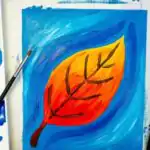
Drawing is one form of art: it uses lines and shapes to show an object or idea. Painting adds colour with paint and a brush or another safe tool. A pupil may draw a house, leaf, cup or person and then paint selected parts.
Simple Work Steps
- Choose one clear object.
- Sketch its main shape lightly.
- Add important details.
- Apply colour neatly inside the outline.
- Allow the work to dry and clean the materials.
Crayons, pencils and water-based paint are suitable classroom materials. Pupils should not taste paint or put brushes in the mouth.
Teaching Methods
To deliver this lesson, the teacher will adopt the following methods: Presentation, Clarification, Guided Practice, and Independent Practice.
Instructional Procedures
To deliver this lesson, the teacher will adopt the following steps:
Step 1: Introduction
Time: (Time needs to be specified)
Teaching Skill: Set Induction
Teacher’s Activity: Engage pupils in a discussion about painting and show examples of painted craft works.
Pupils’ Activity: Participate in the discussion and observe the examples.
Step 2: Explanation of Key Concepts
Time: (Time needs to be specified)
Teaching Skill: Explanation, demonstration
Teacher’s Activity: Explain what painting of craft works is and demonstrate proper brush handling techniques.
Pupils’ Activity: Listen attentively and observe the demonstration.
Step 3: Demonstration/Guided Practice
Time: (Time needs to be specified)
Teaching Skill: Modeling,Guided Practice
Teacher’s Activity: Demonstrate painting a simple artwork,guiding pupils through the process.
Pupils’ Activity: Observe the demonstration and follow along with the teacher’s guidance.
Step 4: Independent Practice
Time: (Time needs to be specified)
Teaching Skill: Monitoring,Feedback
Teacher’s Activity: Supervise pupils as they paint their own artworks,providing individual assistance.
Pupils’ Activity: Paint their own artworks, applying the techniques learned.
Step 5: Note-Taking
Time: (time needs to be specified)
Teaching Skill: Note-Taking, Summarizing
Teacher’s Activity: Guide pupils in taking notes on key concepts and steps.
Pupils’ Activity: Copy crucial notes into their notebooks.
Step 6: Evaluation/Review
Time: (Time needs to be specified)
Teaching Skill: Questioning, Discussion
Teacher’s Activity: Ask evaluation questions and discuss pupils’ artworks.
Pupils’ Activity: answer the evaluation questions and share their work.
Objective-aligned checks:
- Define painting of craft works.
- Identify different types of craft works that can be painted.
- Explain the steps involved in painting craft works.
Step 7: Conclusion
Time: (Time needs to be specified)
Teaching Skill: Summarizing, Reinforcement
Teacher’s Activity: Summarize the lesson and reinforce key concepts.
Pupils’ Activity: Listen attentively and participate in the summary.
lesson Keywords
- Craft Works – Handmade objects such as toys,furniture,or decorations.
- Painting – Applying color to a surface using brushes and paints.
- Brush Handling – Techniques for holding and using a paintbrush correctly.
- Gentle strokes – Applying paint smoothly and carefully.
- Designs – Patterns or images created on a surface.
Lesson Evaluation
To evaluate the learning, the teacher asks pupils to:
- What are artworks?
- How did you hold the paintbrush?
- Describe an artwork you painted.
- What did you learn about painting today?
- What are some different types of artworks you can paint?
Assignment/Homework
- Practice painting simple shapes and patterns at home.
- Find examples of painted craft works in your surroundings.
- Bring a small object from home that you would like to paint in the next lesson.
Differentiation
- For slower learners: Provide one-on-one assistance and simpler artworks to paint.
- For advanced learners: Challenge them to create more complex designs and explore different painting techniques.
- For visual/auditory/kinesthetic learners: use visual aids, verbal instructions, and hands-on activities to cater to different learning styles.
Note for Teachers
Ensure that all materials are readily available before the lesson begins. Provide clear and concise instructions, and encourage pupils to express their creativity freely. Monitor pupils’ progress closely and provide individual assistance as needed.

Community Join the conversation Open discussion +