
Class: Primary One
Term: Third Term
subject: Cultural & Creative Arts
Topic: Ceremonies
Previous Lesson: Story Telling II
Content/Learning Area: Types of Ceremonies, Importance of Ceremonies
Time Allocation: 40 minutes
Performance Objectives
By the end of the lesson, pupils should be able to:
- Cognitive Domain:
1. List two types of ceremonies.
2.Identify the meaning of ceremonies in different cultures.
- psychomotor Domain:
1. Actively participate in class discussions about ceremonies.
- Affective Domain:
1. Show recognition for the cultural diversity found in ceremonies.
- Social Domain:
1. Share their experiences and knowledge of ceremonies with classmates.
Reference Materials
- 9 – years Basic Education Curriculum
- Abuja Educational Resource Center Scheme of Work
- NAPPS National Unified Scheme of Work
- Relevant Textbooks
Instructional Materials
To deliver this lesson, the teacher will use the following materials:
- Whiteboard or chart paper
- Markers or crayons
- Pictures or illustrations of different ceremonies
Rationale for the Lesson
Understanding ceremonies helps children appreciate cultural diversity and the importance of traditions in society. This knowledge fosters respect for different cultures and builds social awareness.
Prerequisite/Previous Knowledge
The teacher will begin by asking pupils to share any special events or celebrations they have attended. This will spark interest and lead into a discussion about ceremonies.
Lesson Content
Ceremonies
Ceremonies are special events that mark crucial occasions or moments in our lives. They often include traditions, rituals, and celebrations that show the values and beliefs of a community.
Types of Ceremonies
Types of ceremonies are varied and each holds unique significance. The following are examples of types of ceremonies:
- Birth Ceremonies: These celebrate the arrival of a new baby. They might include special rituals, blessings, and gifts.
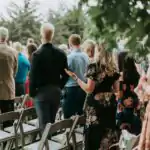
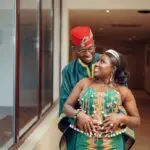
- Wedding Ceremonies: These mark the joining of two people in marriage. They often have vows, rings, and a festivity with family and friends.
- Funeral Ceremonies: These honor and remember someone who has died. They might include prayers, speeches, and a burial or cremation.
- Graduation Ceremonies: These celebrate finishing school. There are often speeches, awards, and a festivity.
- Cultural Festivals: These mark important cultural or religious events. They might include music, dance, food, and special rituals.
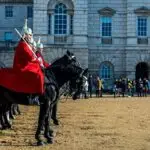
- Coronation Ceremonies: These mark the ascension of a new monarch or traditional ruler to the throne, often involving elaborate rituals and symbolic acts.
- Naming Ceremonies: These are performed to officially give a name to a child,often involving family members and community elders.
Teaching Methods
To deliver this lesson, the teacher will adopt the following methods: Discussion, question and answer, Show and tell.
Instructional Procedures
To deliver this lesson, the teacher will adopt the following steps:
Step 1: Introduction
Time: 5 minutes
Teaching Skill: Set Induction
Teacher’s Activity: Asks pupils to share experiences of special events.
Pupils’ Activity: Share their experiences.
Step 2: Explanation of Key Concepts
Time: 10 minutes
Teaching Skill: Explaining
Teacher’s Activity: Defines ceremonies and explains their significance.
Pupils’ Activity: Listen attentively and ask clarifying questions.
Step 3: Demonstration/Guided Practise
time: 10 minutes
Teaching Skill: Modeling
Teacher’s Activity: Shows pictures of different ceremonies and discusses their cultural contexts.
Pupils’ Activity: Observe and participate in discussions.
Step 4: Self-reliant Practice
time: 5 minutes
Teaching Skill: monitoring
Teacher’s Activity: Guides pupils in identifying types of ceremonies.
Pupils’ Activity: Identify and list types of ceremonies.
Step 5: Note-Taking
Time: 5 minutes
Teaching skill: Note-taking
Teacher’s Activity: Guides pupils in taking notes on key concepts.
pupils’ Activity: Take notes on key concepts.
Step 6: Evaluation/Review
Time: 5 minutes
Teaching Skill: Questioning
Teacher’s Activity: Asks evaluation questions.
Pupils’ Activity: Answer evaluation questions.
Objective-aligned checks:
- List two types of ceremonies.
- Identify the meaning of ceremonies in different cultures.
- Show recognition for the cultural diversity found in ceremonies.
step 7: Conclusion
time: 5 minutes
Teaching Skill: Summarizing
Teacher’s Activity: Summarizes the key concepts discussed during the lesson.
Pupils’ Activity: Listen attentively and ask any remaining questions.
Lesson Keywords
- Ceremony – A special event marking an critically important occasion.
- Ritual – A set of actions performed in a specific order during a ceremony.
- Tradition – Customs or beliefs passed down from generation to generation.
- culture – The customs, arts, social institutions, and achievements of a particular nation, people, or group.
- Celebration – A joyful occasion for festivities to mark a special event.
Lesson Evaluation
To evaluate the learning, the teacher asks pupils to:
- Name two types of ceremonies.
- What is something new you learned about a ceremony?
- Tell us about a ceremony you’ve attended.
Observation: Teacher will observe pupil participation in discussions and their ability to identify different types of ceremonies.
Assignment/homework
- Draw a picture of a ceremony you have attended.
- Ask your parents about a traditional ceremony in your culture and write a short paragraph about it.
Differentiation
- For slower learners: Provide one-on-one assistance and use simpler language.
- For advanced learners: Encourage them to research and present on additional types of ceremonies.
- For visual/auditory/kinesthetic learners: Use visual aids, discussions, and hands-on activities to cater to different learning styles.
Note for Teachers
Encourage pupils to share their personal experiences and cultural backgrounds to create an inclusive and engaging learning environment. Provide additional examples and visual aids to support understanding.

Community Join the conversation Open discussion +