

Note for teachers using this lesson plan
This lesson introduces Primary 1 pupils to the concept of cultural ceremonies in Nigeria. Prepare pictures or realia representing different ceremonies to make the lesson engaging and concrete. Emphasise respectful behaviour during these events. By the end, pupils should be able to identify common Nigerian ceremonies and describe simple features associated with them.
Class: Primary 1
Term: Third Term
Week: 4
Age: 6 years
Duration: 45 minutes
Subject: Cultural & Creative Arts
Curriculum Theme: Culture and Tradition
Focal competence: Identifying various cultural ceremonies in Nigeria
Key competencies/values: Collaboration; Critical Thinking; Responsibility; Respect
Skills:
- Naming types of ceremonies with examples
Previous Lesson: Types of culture and examples
Topic: Ceremonies In Nigeria
Subject Matter: Meaning/types of cultural ceremonies in Nigeria
Specific Objectives
By the end of the lesson, pupils/students should be able to:
Cognitive Domain
- Identify types of cultural ceremonies in Nigeria.
- Give an example of a cultural ceremony.
- Name types of ceremonies and give examples.
Affective Domain
- Appreciate the importance of cultural ceremonies in Nigeria.
- Show respect for different cultural practices during ceremonies.
Psychomotor Domain
- Participate actively in discussions about different ceremonies.
- Draw or colour items associated with a chosen ceremony.
Social Domain
- Collaborate with peers in identifying features of ceremonies.
Reference Materials
The following resources were used in planning this lesson:
- 2025 Revised 9 Years Basic Education Curriculum
- Relevant State Unified Scheme of Work
- Cultural and Creative Arts for Primary 1, Pupil’s Book
- The HeadTeacher Scheme of work
Instructional Materials
The teacher will teach this lesson with the aid of:
- Pictures showing different Nigerian ceremonies (e.g., naming, marriage, festival, chieftaincy).
- Teacher-made chart displaying types of ceremonies and their features.
- Pencils, crayons or colours.
- Drawing paper.
Rationale for the Lesson
This lesson helps pupils understand and appreciate the rich cultural heritage of Nigeria through its various ceremonies. It introduces them to important life events and community celebrations, fostering a sense of identity and respect for diverse traditions. Understanding ceremonies also helps pupils learn about appropriate social behaviour in cultural settings.
Prerequisite/Previous Knowledge
Pupils should be able to identify different cultural groups in Nigeria and know simple ways people celebrate special events.
Lesson Content/Board Summary
Ceremonies In Nigeria
Meaning of Ceremony
A ceremony is a special event or celebration that follows certain rules and traditions. People come together to mark important moments in their lives or in the community.
Types of Cultural Ceremonies in Nigeria
Nigeria has many types of cultural ceremonies. Some common ones include:
- Naming Ceremony: This is a celebration when a new baby is given a name.
- People: Parents, family members, friends, traditional leaders.
- Activities: Praying for the baby, giving gifts, feasting, dancing.
- Clothing: Special traditional outfits for the baby and parents.
- Music: Traditional songs, drumming.
- Objects: Kola nut, honey, water, salt, palm oil (used for blessings).
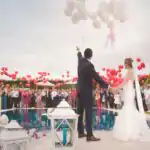
- Marriage Ceremony: This is a celebration when a man and a woman get married.
- People: Bride, groom, their families, friends.
- Activities: Exchange of vows, traditional rites, feasting, dancing.
- Clothing: Beautiful traditional attire for the couple and guests.
- Music: Live bands playing traditional or modern music, drumming.
- Objects: Rings, dowry items, traditional gifts.
- Festival Ceremony: This is a celebration held by a community for special reasons, like harvest or remembering ancestors.
- People: All community members, traditional rulers, masquerades.
- Activities: Dancing, singing, storytelling, masquerade displays, special prayers.
- Clothing: Colourful traditional clothes, costumes for masquerades.
- Music: Drums, flutes, gongs, traditional chants.
- Objects: Masks, special food and drinks, traditional tools.
- Chieftaincy Ceremony: This is a celebration when someone is given a chieftaincy title in their community.
- People: The new chief, traditional rulers, community elders, community members.
- Activities: Installation rites, blessings, feasting, dancing.
- Clothing: Special chieftaincy regalia (robes, caps, beads).
- Music: Traditional music, praise singing.
- Objects: Staff of office, traditional beads, special caps.
Respectful Behaviour During Ceremonies
When attending a ceremony, it is important to:
- Be quiet and listen when elders or leaders are speaking.
- Dress properly and neatly.
- Greet elders and important people respectfully.
- Do not interrupt others.
- Participate politely in activities like dancing or eating.
Teaching Methods/Instructional Techniques
Discussion, Demonstration, Question and Answer, Explanation, Observation, Picture Study.
Instructional Procedures
Step 1: Introduction
Time: 5 minutes
Teaching Skill: Picture Study/Questioning
Teacher’s Activity: The teacher displays various pictures of Nigerian cultural ceremonies (e.g., naming, marriage, festival) and asks pupils to identify what they see in each picture. The teacher then introduces the topic: “Ceremonies In Nigeria.”
Pupils’ Activity: Pupils observe the pictures and attempt to describe what is happening in each one. They listen to the teacher introduce the topic.
Learning Point: Introduction to ceremonies
Step 2: Meaning of Ceremony
Time: 5 minutes
Teaching Skill: Explanation
Teacher’s Activity: The teacher explains what a ceremony means in simple terms, using examples from the pictures shown earlier. “A ceremony is a special gathering where people celebrate important events in a traditional way.”
Pupils’ Activity: Pupils listen attentively to the explanation and ask questions for clarity.
Learning Point: Meaning of ceremony
Step 3: Naming Ceremony
Time: 5 minutes
Teaching Skill: Discussion/Illustration
Teacher’s Activity: The teacher focuses on pictures of a naming ceremony. The teacher discusses who participates, what activities take place (e.g., giving names, blessings), what people wear, and any special objects used (e.g., kola nut, honey).
Pupils’ Activity: Pupils identify people, activities, and objects in the naming ceremony pictures. They share their experiences or knowledge of naming ceremonies.
Learning Point: Naming ceremony features
Step 4: Marriage Ceremony
Time: 5 minutes
Teaching Skill: Discussion/Illustration
Teacher’s Activity: The teacher shows pictures of a marriage ceremony and explains its significance. The teacher discusses the people involved (bride, groom), activities (dancing, feasting), clothing, and music played.
Pupils’ Activity: Pupils observe the pictures, identify features of a marriage ceremony, and discuss what they know about weddings.
Learning Point: Marriage ceremony features
Step 5: Festival Ceremony
Time: 5 minutes
Teaching Skill: Discussion/Illustration
Teacher’s Activity: The teacher displays pictures of a festival ceremony. The teacher explains that festivals are community celebrations and highlights the activities (e.g., masquerades, dancing), clothing, and music associated with them.
Pupils’ Activity: Pupils identify elements of festival ceremonies from the pictures and share examples of festivals they know.
Learning Point: Festival ceremony features
Step 6: Chieftaincy Ceremony and Respectful Behaviour
Time: 5 minutes
Teaching Skill: Explanation/Discussion
Teacher’s Activity: The teacher shows pictures of a chieftaincy ceremony, explaining who becomes a chief and what happens. The teacher then discusses the importance of respectful behaviour during all ceremonies, giving examples like listening quietly and dressing well.
Pupils’ Activity: Pupils identify features of a chieftaincy ceremony and discuss how to behave respectfully at ceremonies.
Learning Point: Chieftaincy, respectful behaviour
Step 7: Evaluation/Review
Time: 5 minutes
Teaching Skill: Questioning/Assessment
Teacher’s Activity: The teacher evaluates the learning by asking the following questions:
- What is a ceremony?
- Name two types of cultural ceremonies in Nigeria.
- Give one example of an activity you see in a naming ceremony.
- Mention one way to show respect during a ceremony.
Pupils’ Activity: Pupils answer orally and in writing.
Learning Point: Understanding cultural ceremonies
Step 8: Note-Taking
Time: 4 minutes
Teaching Skill: Guided Writing
Teacher’s Activity: The teacher guides pupils to copy the essential Board Summary notes on the meaning and types of cultural ceremonies into their notebooks.
Pupils’ Activity: Pupils copy the notes carefully into their notebooks.
Learning Point: Recording lesson notes
Step 9: Conclusion
Time: 6 minutes
Teaching Skill: Summarisation/Reinforcement
Teacher’s Activity: The teacher briefly summarises the main points of the lesson, reminding pupils about the different types of ceremonies and the importance of respecting cultural practices. The teacher encourages pupils to observe ceremonies in their communities.
Pupils’ Activity: Pupils listen to the summary and ask any final questions.
Learning Point: Reinforcing lesson concepts
Continuous Assessment/Further Study
Type: Homework/Drawing Activity
Instruction: Draw and colour one cultural ceremony you learned about today. Label the ceremony and draw at least two things you would see there (e.g., people, clothing, objects).
- Draw a picture of a Naming Ceremony or a Marriage Ceremony.
- Colour your drawing beautifully.
- Show it to your parents and tell them about it.
Lesson Keywords
- Ceremony – A special event or celebration with traditions.
- Naming Ceremony – A celebration when a baby gets a name.
- Marriage Ceremony – A celebration when a man and woman get married.
- Festival Ceremony – A community celebration for special reasons.
- Chieftaincy Ceremony – A celebration when someone becomes a chief.
- Culture – The way of life of a group of people.
- Tradition – Customs or beliefs passed down through generations.
Differentiation
Support for weaker learners: Provide pre-labelled pictures of ceremonies for identification. Simplify explanations and focus on only two types of ceremonies. Allow them to point to answers rather than speak if they are shy.
Extension for faster learners: Encourage them to name other ceremonies they know or describe more details about the clothing, music, or activities in a specific ceremony. They can also draw multiple items for their homework.
Suggested Lesson Videos
For further visual learning, teachers can search on YouTube for: Nigerian cultural ceremonies for kids Primary 1
Teacher Guide for Using This Lesson Plan
Before the lesson, gather clear and colourful pictures of various Nigerian cultural ceremonies like naming, marriage, festivals, and chieftaincy. These visual aids are essential for Primary 1 pupils to grasp the concepts. Start by engaging pupils with the pictures, allowing them to share what they already know or observe. Clearly explain the meaning of a ceremony before delving into specific types. For each ceremony, highlight the key features: who is involved, what happens, what people wear, and any special music or objects. Emphasise the importance of respectful behaviour during these events. During Step 8, ensure pupils copy the Board Summary neatly into their notebooks. Encourage active participation throughout the lesson and use simple language. For pupils who struggle, provide extra visual cues and simplified questions. For those who grasp concepts quickly, encourage them to provide more details or examples. Ensure safety if using any realia.

Community Join the conversation Open discussion +