

Class: Primary One
Term: First Term
Subject: Cultural & Creative Arts
Topic: meaning of Craft
previous Lesson: Painting of Carved Objects
Content/Learning Area: Meaning of Craft, Types of Craft Works
Time Allocation: 40 minutes
Performance Objectives
By the end of the lesson, pupils should be able to:
- cognitive Domain:
– Define craft.
– List different types of craft works.
- Psychomotor Domain:
– Identify examples of craft works.
- Affective Domain:
– Show interest in craft activities.
- Social Domain:
– work cooperatively in group activities (if applicable).
Reference Materials
- 9 – Years basic Education Curriculum
- Abuja Educational Resource center Scheme of Work
- NAPPS National Unified Scheme of Work
- Relevant Textbooks
Instructional Materials
to deliver this lesson, the teacher will use the following materials:
- Whiteboard or chart paper
- Markers or crayons
- Pictures or examples of different craft works
Rationale for the Lesson
Understanding craft introduces pupils to creative expression and problem-solving skills. This lesson lays the foundation for future exploration of various art forms and practical skills.
Prerequisite/Previous Knowledge
The teacher will start by asking pupils what they enjoy making wiht their hands. The teacher will then introduce the concept of craft as a skill of making things using hands, linking it to their prior experiences.
Lesson Content
Meaning of Craft
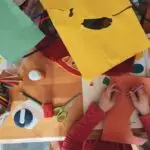
Craft is the skill of making things using your hands. It involves creating unique and special items by combining different materials. Think about making things like building a tower out of blocks or drawing a picture.
types of Craft Works
There are many different types of craft works. Some examples include:
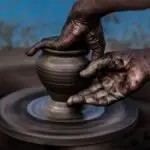
- Clay modeling: Creating sculptures and figures using clay.
- String bead making: assembling beads onto strings to create necklaces, bracelets, and other accessories.
- Puppets: Making puppets from various materials like cloth, wood, or paper.
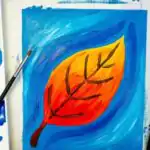
- Hand painting: creating artwork using brushes and paints on surfaces like canvas, paper, or wood.
- paper Mache: Creating three-dimensional objects using paper pulp mixed with glue or paste.
- Tie-dye: creating patterns on fabric by binding, folding, twisting, and dyeing it.
Teaching Methods
To deliver this lesson, the teacher will adopt the following methods: Discussion, Question and answer, Show and tell
Instructional Procedures
To deliver this lesson, the teacher will adopt the following steps:
Step 1: Introduction
Time: 5 minutes
Teaching Skill: Set Induction
Teacher’s Activity: Asks pupils what they enjoy making with their hands. Introduces the topic: “Meaning of Craft”.
Pupils’ activity: Respond to teacher’s questions and listen attentively.
Step 2: Explanation of Key concepts
Time: 10 minutes
Teaching Skill: Explanation
Teacher’s Activity: Explains the meaning of craft, using simple language and examples.Pupils’ Activity: Listen attentively and ask clarifying questions.
Step 3: Demonstration/Guided Practice
Time: 10 minutes
teaching Skill: Demonstration
Teacher’s Activity: Shows pictures or examples of different craft works. Guides pupils in identifying the materials used.
Pupils’ Activity: Observe the examples and participate in discussions.
Step 4: Autonomous practice
Time: 5 minutes
Teaching Skill: Guided Practice
Teacher’s Activity: Asks pupils to name different types of craft works.
Pupils’ Activity: Respond to the teacher’s questions.
Step 5: Note-Taking
Time: 5 minutes
Teaching Skill: Note-Taking
Teacher’s Activity: Guides pupils in writing down key points about the meaning and types of craft.
Pupils’ Activity: Take notes in their notebooks.
Step 6: Evaluation/Review
Time: 5 minutes
Teaching Skill: Questioning
Teacher’s Activity: Asks evaluation questions to assess understanding.
Pupils’ Activity: Answer the evaluation questions.
Step 7: Conclusion
Time: 5 minutes
Teaching Skill: Summarizing
Teacher’s Activity: summarizes the key concepts of craft and encourages pupils to continue exploring different craft activities at home.
Pupils’ Activity: Listen attentively and ask questions for clarification.
Lesson Keywords
- Craft – The skill of making things using your hands.
- Clay modeling – Creating sculptures and figures using clay.
- String bead making – Assembling beads onto strings to create accessories.
- Puppets – Making puppets from various materials like cloth, wood, or paper.
- Hand painting – Creating artwork using brushes and paints on surfaces.
Lesson Evaluation
To evaluate the learning, the teacher asks pupils to:
- What is craft?
- Name two types of craft works.
- What are some materials used in craft works?
- Can you think of any craft works you’ve seen or made yourself?
Assignment/Homework
- Find examples of different craft works in your home or community.
- Draw a picture of your favorite craft work.
- List three materials that can be used to make craft items.
Differentiation
- For slower learners: Provide one-on-one assistance and use simpler examples.
- For advanced learners: Encourage them to explore more complex craft techniques and materials.
- For visual/auditory/kinesthetic learners: Use visual aids, verbal explanations, and hands-on activities to cater to different learning styles.
Note for Teachers
Encourage pupils to explore their creativity and inventiveness in craft activities. Provide a supportive and encouraging environment for them to express themselves through art.
Community Join the conversation Open discussion +